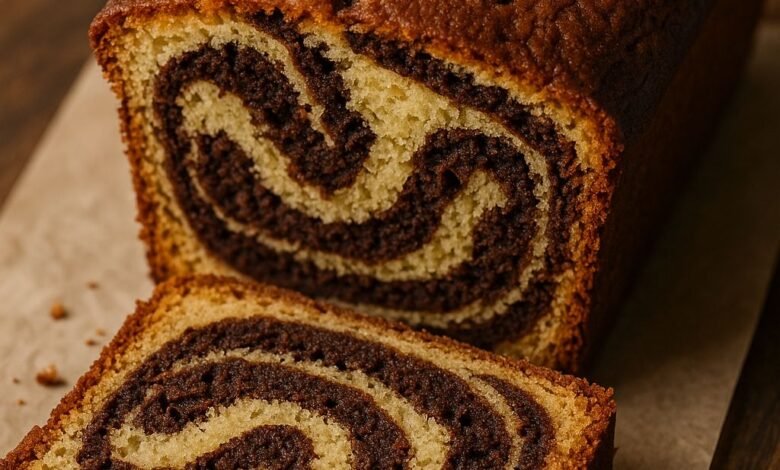
Few baked goods capture the harmony of flavor and design quite like a loaf with a chocolate swirl. Whether it’s a soft, yeast-raised bread marbled with dark chocolate ribbons, or a tender, buttery loaf cake layered with rich cocoa batter, the chocolate-swirl loaf sits comfortably between comfort food and edible art. It’s a treat that delights the eyes as much as the taste buds, creating that “wow” moment when the first slice reveals its marbled heart.
In this article, we’ll explore the origins, variations, and techniques behind this timeless favorite, and offer insights from baking blogs and culinary experts who have elevated the humble loaf into a masterpiece of swirled perfection.
A Brief History of the Chocolate Swirl
The concept of swirling chocolate into dough or batter isn’t new—it’s an evolution of two beloved culinary traditions: marbled cakes and filled sweet breads.
Marbled cakes date back to 19th-century Germany, where bakers combined light and dark batters to create contrasting stripes. The “marmor,” meaning “marble,” described the visual pattern inside the loaf. Meanwhile, sweet yeast breads filled with chocolate or cocoa were common in Central and Eastern Europe—think of babka or brioche varieties enriched with chocolate fillings.
The modern chocolate-swirl loaf merges these ideas: part bread, part cake, all indulgence. It borrows the visual elegance of marble cakes and the depth of flavor of chocolate breads, creating a hybrid that’s versatile enough for breakfast, dessert, or a mid-day coffee break.
Two Worlds: Bread vs. Cake
Not all chocolate-swirl loaves are created equal. There are two main families of recipes—yeast-based breads and quick breads or cakes—and each offers a unique texture and technique.
1. The Bread Version
The bread-style loaf, often made with milk, butter, and yeast, is soft and slightly sweet—perfect for toasting or enjoying with a cup of tea.
Recipes from popular food blogs like Gather & Dine and Home Cooking Adventure demonstrate the appeal of this style. The dough is enriched with milk and egg yolks for tenderness, then rolled out and spread with a filling of chopped dark chocolate, cinnamon, and sugar. Once rolled, the loaf is sliced lengthwise, twisted, and coiled into a pan, creating a natural swirl pattern as it bakes.
The process is as therapeutic as it is rewarding. Watching the dough rise, rolling it out to a perfect rectangle, and twisting it into a marbled braid feels almost meditative. When baked, the loaf emerges golden on the outside with deep, dramatic chocolate streaks inside—a rustic beauty that invites admiration before the first bite.
2. The Cake Version
The cake-style loaf, by contrast, is quicker to make and leans toward dessert. Instead of yeast, it uses baking powder or soda as leavening, with a batter rich in butter, sugar, and eggs.
Half of the batter is mixed with melted chocolate or cocoa powder, while the other remains vanilla or plain. Spoonfuls of each are alternated in a loaf pan, then gently swirled with a knife to create the signature marble effect.
This approach was popularized by bakers like Sally’s Baking Addiction and The Heritage Cook. The results are tender, moist slices that balance the comforting simplicity of vanilla with the indulgent depth of chocolate. Add a ganache glaze or dusting of powdered sugar, and it’s the perfect coffee-shop-style loaf for any occasion.
The Science of the Swirl
The swirl isn’t just for looks—it’s a delicate balance of technique, density, and temperature. Achieving the perfect marbling requires batters or doughs that are thick enough to hold their shape but soft enough to blend slightly during baking.
In cake batters, the key is to swirl just enough. Too little, and the layers remain separate; too much, and the colors blur into a muddy brown. Most experts recommend dragging a knife through the batter in a figure-eight motion only once or twice.
For yeast breads, the swirl depends on rolling and twisting. Cutting the rolled dough lengthwise exposes the chocolate filling, while twisting the two halves together forms a natural spiral pattern. The yeast’s rise then expands those spirals, turning them into dramatic streaks of color and flavor.
Choosing the Right Chocolate
At the heart of every chocolate-swirl loaf lies—of course—the chocolate itself. The type you choose dramatically affects flavor, texture, and appearance.
- Dark Chocolate (60–70% cocoa): Deep, slightly bitter, and perfect for mature palates. Melts beautifully in fillings and gives a bold contrast in swirls.
- Semi-Sweet Chocolate: The classic choice—sweet enough for dessert lovers but rich enough to maintain that cocoa character.
- Cocoa Powder: Ideal for cakes; when mixed with melted butter or milk, it gives a smoother, more uniform chocolate flavor.
- Milk Chocolate: Best used sparingly; its high sugar content can make fillings overly sweet and sticky.
Quality matters. As Gather & Dine notes, “using a high-quality chocolate makes a difference since the chocolate plays such an important role.” That difference is instantly noticeable in aroma and taste.
Techniques for Success
Creating a loaf with a chocolate swirl requires both patience and precision. Here are the key elements that separate a passable loaf from a perfect one:
1. Preparation
- Use ingredients at room temperature. This ensures smooth mixing and even textures.
- Measure accurately—too much flour or cocoa can make your loaf dense and dry.
- For bread doughs, allow proper kneading time (8–10 minutes by hand or 6–7 in a mixer) to develop gluten, which supports the swirl’s structure.
2. Rolling and Layering (Bread Version)
- After the first rise, roll the dough into a large rectangle.
- Spread the chocolate filling evenly, leaving a small border.
- Roll tightly from one long edge to the other.
- Slice the roll in half lengthwise to reveal the layers.
- Twist both halves together and place in the loaf pan.
- Let it rise again before baking.
3. Swirling (Cake Version)
- Divide the batter into two bowls—vanilla and chocolate.
- Spoon alternate layers into the loaf pan.
- Use a knife to swirl through the layers gently in a zigzag motion.
- Bake until golden and a skewer comes out with a few moist crumbs.
4. Finishing Touches
Brush breads with egg wash for shine. For cakes, a drizzle of ganache or simple syrup keeps them moist. Let both cool completely before slicing for clean, defined swirls.
Flavor Enhancements and Variations
The basic chocolate swirl loaf is a perfect canvas for experimentation. Once you’ve mastered the technique, you can add your own creative touches:
- Cinnamon Chocolate Swirl: Add ground cinnamon to the filling for warmth and spice.
- Hazelnut Chocolate Loaf: Spread a thin layer of Nutella or homemade hazelnut paste for a nutty sweetness.
- Espresso Marble Loaf: Stir a teaspoon of espresso powder into the chocolate batter to intensify cocoa flavor.
- Orange-Zest Chocolate Swirl: Add grated orange peel to the vanilla batter for a citrus lift.
- Gluten-Free or Vegan Versions: Substitute with almond flour blends, plant-based milk, or flax-seed eggs.
Each variation keeps the charm of the swirl intact while giving it a new personality.
Texture, Aroma, and Presentation
What makes this loaf so addictive isn’t just the taste—it’s the sensory experience.
When baking, the kitchen fills with the scent of butter, sugar, and melting chocolate, signaling the comfort of something homemade. Once sliced, the cross-section reveals its marbling, a pattern so beautiful it feels almost too good to eat.
The texture is equally captivating. A chocolate-swirl bread offers a chewy yet soft crumb, while a loaf cake has a velvety tenderness that melts in your mouth. Toast a slice of the bread version, and the chocolate pockets become gooey again—a decadent breakfast with minimal effort.
Presentation matters too. For maximum impact, use a serrated knife to slice and reveal the pattern cleanly. Serve on a neutral platter or wooden board so the swirls stand out. A light dusting of powdered sugar adds elegance without overpowering the look.
Serving and Storage Tips
- Serving: Bread-style loaves are wonderful slightly warm, with butter or cream cheese. Cake-style loaves pair perfectly with coffee, milk, or dessert wine.
- Storage: Wrap tightly in foil or store in an airtight container. Bread keeps for about three days at room temperature; cakes stay moist up to five.
- Freezing: Slice, wrap individually, and freeze for up to two months. Warm in the microwave for 15 seconds or toast lightly before serving.
Common Baking Mistakes and How to Fix Them
Even experienced bakers can stumble when attempting the perfect swirl. Here’s how to troubleshoot common issues:
- Dry Loaf: Add moisture-retaining ingredients like buttermilk or sour cream; avoid over-baking.
- Muddy Swirl: You likely over-mixed. Swirl gently and sparingly.
- Collapsed Center: This can happen if the batter is over-aerated or the oven door is opened too early.
- Uneven Baking: Check pan size; an 8.5×4.5-inch loaf pan is ideal for most recipes.
- Chocolate Seepage in Bread: Seal the edges properly before rolling, and don’t over-stuff the filling.
Why the Loaf with a Chocolate Swirl Captivates Bakers
At its core, this loaf embodies balance. It’s indulgent but not cloying, beautiful yet approachable. The swirl gives each slice a sense of surprise—no two pieces are ever identical. It invites creativity and patience, rewarding those who take the time to craft it.
Moreover, it bridges cultures and occasions. From the festive babka of Eastern Europe to the afternoon tea cakes of Western cafés, the chocolate-swirl loaf has found universal love. It’s both nostalgic and contemporary—an edible metaphor for harmony between contrasts.
Conclusion
In the end, a loaf with a chocolate swirl is more than a recipe—it’s a little act of art. Each twist of dough or stroke of the knife carries intention. The marbling isn’t just decoration; it tells the story of contrast, balance, and care. Whether you bake it for comfort, celebration, or curiosity, this loaf will always leave a mark—on your table and in your memory.
So preheat your oven, melt that chocolate, and let your kitchen fill with the aroma of creativity. And when you finally cut that first slice, take a moment to admire the swirl—you’ve earned it.
Article by Empire Magazines