In the global anime community, few names have generated as much discussion, controversy, and nostalgia as AniWave. For years, it served as a go-to destination for millions of anime fans seeking free access to subbed and dubbed series from Japan. Whether users searched for AniWave anime, is AniWave down, or AniWave alternatives, the platform consistently dominated conversations across forums, blogs, and search engines.
But AniWave’s story is not just about anime streaming — it is also about copyright enforcement, internet piracy, and the shifting future of digital entertainment. This article takes an in-depth look at what AniWave was, what happened to it, why it shut down, whether it was safe, and what options remain for anime fans today.
What Was AniWave?
AniWave was an online anime streaming website best known for offering free, on-demand anime content. It hosted links to thousands of anime episodes, including both classic series and the latest seasonal releases. Subtitles, English dubs, HD streaming options, and multiple backup servers made it particularly appealing to international viewers.
Before being known as AniWave, the platform originally launched under the name 9Anime in 2016. Over time, 9Anime grew into one of the largest anime piracy websites in the world. In 2023, the site rebranded to AniWave, a move widely believed to be an attempt to refresh its identity and possibly evade increasing legal pressure.
Despite the name change, the core concept remained the same:
- Free access to anime
- No official licensing
- Content sourced from third-party servers
This combination made AniWave extremely popular — and extremely vulnerable.
Why Was AniWave So Popular?
AniWave didn’t become famous by accident. Several factors contributed to its massive success:
1. Huge Anime Library
AniWave featured thousands of titles, ranging from mainstream hits like Naruto, One Piece, and Attack on Titan to obscure or older anime that were difficult to find legally in some regions.
2. Free Access
Unlike subscription-based services, AniWave required no payment. This made it especially attractive in countries where paid streaming platforms were unavailable or unaffordable.
3. Multiple Streaming Servers
If one video player failed, users could switch to another — a feature that significantly improved reliability compared to smaller pirate sites.
4. User-Friendly Interface
Compared to many piracy websites filled with broken links, AniWave offered a clean layout, organized categories, episode tracking, and relatively fast loading times.
All of these factors combined to make AniWave a dominant force in the anime streaming underground.
Is AniWave Down? Current Status Explained
One of the most searched questions online is: “Is AniWave down?”
The short answer is yes — AniWave is permanently shut down.
In August 2024, the official AniWave website stopped functioning. Visitors were greeted with a shutdown or farewell message instead of anime content. This was not a temporary outage or technical failure. It marked the complete closure of the platform.
Community discussions on Reddit, anime forums, and tech blogs confirmed that AniWave’s operators had ceased operations entirely. Any websites currently using the AniWave name are unofficial clones or mirror sites, not the original platform.
What Happened to AniWave?
AniWave’s shutdown was the result of intensifying global anti-piracy enforcement.
Over the last decade, copyright holders — including major Japanese studios and international media companies — have significantly increased efforts to combat illegal streaming. Anime piracy sites became a major target due to their massive traffic and financial impact.
AniWave was reportedly taken down following coordinated legal action involving:
- International copyright enforcement groups
- Regional authorities in Southeast Asia
- Internet infrastructure providers
Once legal pressure reached a critical point, the AniWave administrators chose to shut the platform down rather than continue operating under risk of prosecution.
Why Did AniWave Shut Down?
The core reason behind AniWave’s shutdown was copyright infringement.
AniWave did not own the rights to the anime it streamed. Instead, it relied on embedded videos from third-party hosts, a common tactic among piracy websites. While this approach allowed the site to operate for years, it also made it legally indefensible once enforcement intensified.
Key reasons for the shutdown include:
- Illegal distribution of copyrighted anime
- Pressure from anime studios and distributors
- Risk of lawsuits and criminal penalties
- Domain seizures and hosting restrictions
In its final message, AniWave indirectly encouraged fans to support official streaming platforms — a sign that even the site’s operators recognized the inevitability of its closure.
Is AniWave Safe to Use?
Another frequently searched question is: “Is AniWave safe?”
Even before its shutdown, the answer was not entirely.
Potential Risks of AniWave
- Malicious advertisements and pop-ups
- Redirects to phishing or scam pages
- Tracking scripts and data privacy concerns
- Legal risks depending on country laws
While many users reported years of problem-free usage, piracy websites in general carry inherent security risks. After the shutdown, the risk increased further, as clone sites often impersonate popular brands to spread malware or collect user data.
As a result, accessing sites claiming to be “AniWave” today is strongly discouraged.
AniWave Alternatives: What Can Anime Fans Use Now?
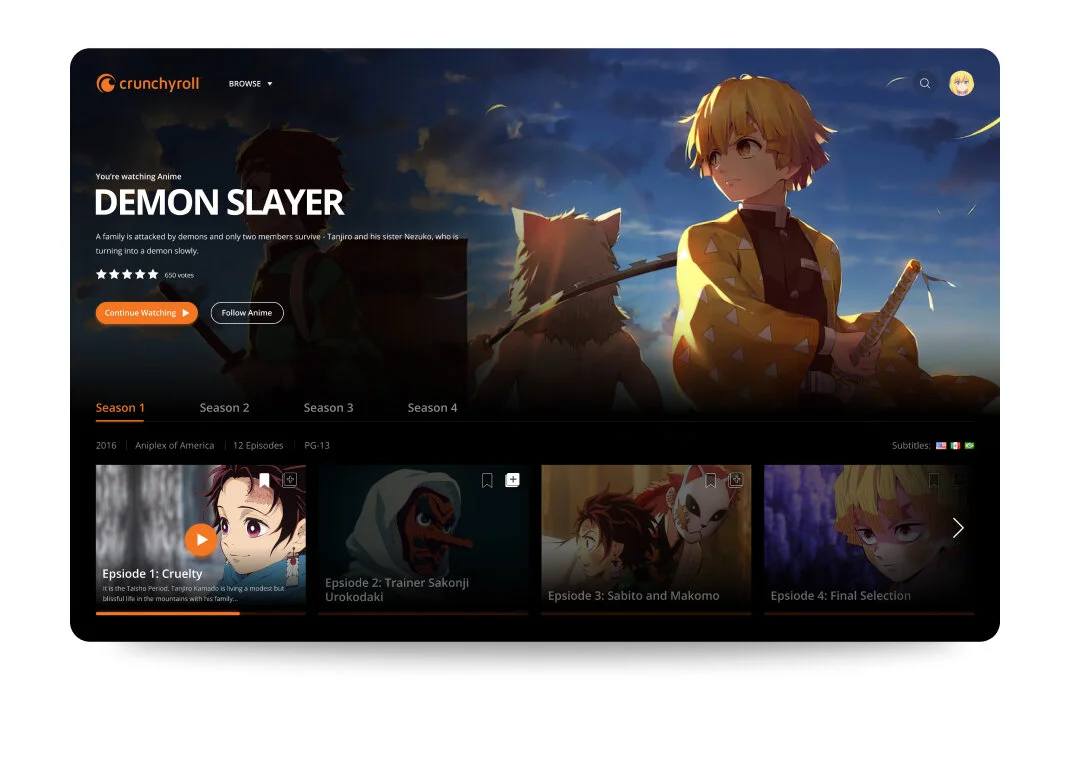

With AniWave gone, anime fans have turned to both legal and unofficial alternatives.
Legal and Safe Anime Streaming Services
These platforms are licensed, secure, and support anime creators:
- Crunchyroll – The largest anime-focused streaming platform worldwide
- Netflix – Growing anime catalog and exclusives
- Hulu – Popular titles and simulcasts
- Tubi – Free, legal anime with ads
- Disney+ – Expanding anime offerings
Unofficial Streaming Sites
While many fans still search for free alternatives, these sites come with legal and security risks similar to AniWave. Their stability is also uncertain, as they frequently disappear without warning.
The Impact of AniWave’s Shutdown on the Anime Community
AniWave’s closure marked the end of an era. For many fans, it represented:
- The loss of easy access to anime
- A shift toward paid streaming services
- Increased awareness of copyright and creator support
Interestingly, the shutdown also boosted traffic to legal platforms. Many viewers who once relied on AniWave transitioned to subscriptions, free ad-supported legal options, or official YouTube releases.
This shift highlights a broader trend: the anime industry is becoming more accessible legally, reducing reliance on piracy over time.
The Legacy of AniWave
Despite its controversial nature, AniWave played a significant role in global anime culture. It introduced countless viewers to anime who might otherwise never have discovered it. For better or worse, it helped spread Japanese animation worldwide during a critical period of growth.
However, its shutdown also serves as a reminder that illegal platforms are never permanent. As copyright enforcement continues to strengthen, the future clearly favors licensed and creator-supported streaming services.
Final Thoughts
AniWave’s story is one of rapid growth, massive popularity, and inevitable shutdown. From its origins as 9Anime to its rebranding and eventual closure, the site left a lasting impression on the anime fandom.
As the industry evolves, fans now face a choice: chase unstable piracy sites or support legal platforms that ensure anime continues to thrive. The fall of AniWave signals a turning point — not the end of anime streaming, but the beginning of a more sustainable future.
At Empire Magazines, we believe understanding platforms like AniWave helps anime fans make informed decisions while appreciating how far the industry has come.
Frequently Asked Questions (FAQs) About AniWave
1. What is AniWave?
AniWave was a free anime streaming website that allowed users to watch subbed and dubbed anime without a subscription. It was previously known as 9Anime before rebranding to AniWave in 2023.
2. Is AniWave an official or legal anime streaming platform?
No. AniWave was not a legal or licensed platform. It streamed copyrighted anime content without authorization from the original creators or distributors.
3. Is AniWave down permanently?
Yes. AniWave was permanently shut down in August 2024. The original site no longer operates, and any websites using the AniWave name today are unofficial clones or mirror sites.
4. What happened to AniWave?
AniWave was taken offline due to copyright enforcement and anti-piracy actions. Increasing legal pressure from copyright holders and authorities ultimately forced the site’s operators to shut it down.
5. Why did AniWave shut down?
AniWave shut down mainly because it distributed copyrighted anime without proper licenses, making it a target for legal action. Operating such a large piracy platform became too risky for its administrators.
6. Is AniWave safe to use?
No. Even before its shutdown, AniWave posed security and privacy risks, including malicious ads, pop-ups, and possible data tracking. After the shutdown, clone sites are considered even more dangerous.
7. Are AniWave mirror or clone sites safe?
No. Most AniWave mirror or clone sites are unsafe and unverified. They often imitate the original site’s design to trick users and may contain malware, phishing links, or scam advertisements.
8. Can I get in legal trouble for using AniWave?
This depends on your country’s copyright laws. In some regions, streaming pirated content can carry legal consequences, while in others enforcement focuses on site operators. However, using legal platforms is always the safest option.
9. What are the best AniWave alternatives?
Legal alternatives include platforms like Crunchyroll, Netflix, Hulu, Tubi, and Disney+. These services are safe, licensed, and help support anime creators and studios.
10. Will AniWave ever come back?
It is highly unlikely. Given the scale of the shutdown and international copyright enforcement involved, the original AniWave team is not expected to relaunch the site.
11. Why was AniWave so popular despite being illegal?
AniWave gained popularity because it offered:
- Free anime access
- A large content library
- Multiple streaming servers
- Easy-to-use interface
These features made it attractive, especially in regions with limited legal anime availability.
12. What should anime fans do after AniWave’s shutdown?
Anime fans are encouraged to:
- Switch to legal streaming platforms
- Use free, ad-supported licensed services
- Support official releases to ensure the anime industry continues to grow