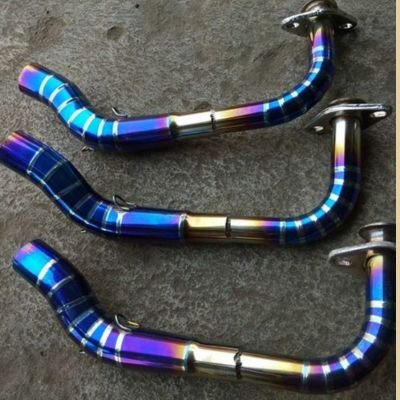
The term “escapamento RD” carries deep meaning in the world of motorcycles, especially among two-stroke enthusiasts and classic bike collectors. More than just an exhaust system, the escapamento RD represents performance, identity, history, and sound—elements that define the iconic Yamaha RD series. From the RD 125 to the legendary RD 350, these motorcycles earned their reputation not only through engine design but through the unique way their exhaust systems delivered power, noise, and character.
In this comprehensive article, we explore everything about the escapamento RD—its function, history, design principles, performance impact, maintenance, aftermarket evolution, and cultural influence. Whether you are a restorer, collector, tuner, or enthusiast, this guide will give you deep insight into why the escapamento RD remains one of the most discussed exhaust systems in classic motorcycling.
What Does “Escapamento RD” Mean?
In Portuguese, the word “escapamento” means exhaust system. The term “RD” refers to Yamaha’s legendary RD series of two-stroke motorcycles, which became extremely popular from the 1970s through the 1990s. Together, “escapamento RD” simply refers to the exhaust system designed specifically for Yamaha RD motorcycles.
However, unlike ordinary exhaust systems used in four-stroke engines, the escapamento RD plays a critical mechanical role in how the engine produces power. In two-stroke engines, the exhaust is not just for dumping gases—it actively contributes to combustion efficiency and performance.
This makes the escapamento RD one of the most important components of the motorcycle.
The Yamaha RD Series: A Quick Background
To understand the importance of the escapamento RD, it is necessary to understand the RD motorcycles themselves.
The Yamaha RD series included models such as:
- RD 125
- RD 135
- RD 250
- RD 350
These motorcycles used two-stroke engines, which offered:
- High power-to-weight ratio
- Aggressive acceleration
- Distinctive exhaust sound
- Simpler mechanical construction
- Raw riding experience
During their peak years, RD motorcycles dominated streets and racetracks in many countries. Their explosive throttle response and sharp power delivery made them legendary—and the escapamento RD was central to that experience.
Why the Escapamento RD Is So Important in Two-Stroke Engines
Unlike four-stroke engines, which rely on valves to control intake and exhaust timing, two-stroke engines use port timing controlled by the piston. The exhaust system on a two-stroke does much more than remove waste gases—it directly controls the fueling cycle.
The escapamento RD uses a specially designed expansion chamber, which allows pressure waves to:
- Push unburnt mixture back into the combustion chamber
- Improve cylinder filling
- Increase power and torque
- Enhance throttle response
Without a properly tuned escapamento RD, an RD engine loses much of its performance potential. In simple terms, the exhaust helps “recycle” power inside the engine.
This is why a well-designed escapamento RD can completely transform how the motorcycle feels on the road.
The Signature Sound of the Escapamento RD
One of the most emotional elements of the escapamento RD is its distinctive sound. Unlike modern four-stroke motorcycles with smooth and muted exhaust notes, the RD’s two-stroke engine produces:
- A sharp, high-pitched scream
- Rapid crackling under acceleration
- A raw mechanical tone
- Loud, aggressive exhaust pulses
To many enthusiasts, this sound is not noise—it is music. The scream of an RD at full throttle instantly identifies the bike long before it appears in view. This auditory identity is one of the reasons the escapamento RD has become an icon.
Original Factory Escapamento RD vs Aftermarket Exhausts
Original Factory Exhaust
The stock escapamento RD was engineered by Yamaha to balance:
- Performance
- Reliability
- Noise control
- Fuel efficiency
- Durability
Original exhausts are highly valued among collectors and restorers. A motorcycle with an original RD exhaust maintains:
- Authenticity
- Higher resale value
- Factory-correct engine behavior
However, original RD exhausts are now rare and expensive due to age and corrosion.
Aftermarket Performance Escapamento RD
Aftermarket exhausts emerged to improve:
- Power output
- Acceleration
- Exhaust tone
- Weight reduction
- Visual styling
Performance RD exhausts often feature:
- Larger expansion chambers
- Free-flow silencers
- Chrome or black coatings
- Stainless or carbon steel construction
- Racing-inspired shapes
These exhausts can significantly boost performance when properly tuned, especially when paired with modified carburetors and ignition.
How the Escapamento RD Affects Performance
The performance gains of a tuned escapamento RD include:
- Higher RPM power
- Stronger mid-range torque
- Faster throttle response
- Better scavenging efficiency
- Improved fuel-air mixture control
A poorly matched exhaust, on the other hand, can:
- Reduce power
- Increase fuel consumption
- Cause overheating
- Lead to piston seizure
- Damage crank seals
That’s why choosing the right escapamento RD is essential for both stock and modified engines.
Materials Used in Escapamento RD Manufacturing
Over the years, different materials have been used for RD exhaust systems:
- Carbon Steel – Common in classic stock exhausts; affordable but prone to rust
- Stainless Steel – Corrosion-resistant, long-lasting, popular in modern aftermarket builds
- Chrome-Plated Steel – Visual appeal with moderate rust protection
- Aluminum Silencers – Lightweight, common in performance exhausts
Each material affects durability, weight, and acoustic resonance.
Maintenance Challenges of Escapamento RD
Two-stroke exhausts require more care than four-stroke systems. The most common escapamento RD maintenance issues include:
1. Carbon Build-Up
Unburned oil and fuel accumulate inside the expansion chamber over time, reducing airflow and performance.
2. Rust and Corrosion
Older RD exhausts often rust internally and externally, especially in humid environments.
3. Oil Saturation
Two-stroke oil residue collects inside the silencer packing, dulling sound quality.
4. Cracks and Leaks
Vibration and heat cycles cause weld fatigue and cracks.
Regular decarbonization, repainting, and repacking are essential to keep the escapamento RD performing at its best.
Escapamento RD and Engine Tuning
Serious RD owners understand that the exhaust is only one part of a performance package. Proper tuning includes:
- Correct jetting
- Carburetor synchronization
- Ignition timing adjustment
- Compression checks
- Proper two-stroke oil ratio
When all components are matched correctly with the escapamento RD, the engine delivers smooth yet aggressive power exactly as Yamaha intended.
Legal and Environmental Considerations
Classic RD motorcycles were built long before modern emission regulations. As a result:
- The escapamento RD can be very loud
- Emissions are higher than modern standards
- Some modified exhausts may be illegal for street use
Owners must always check:
- Local noise laws
- Emission standards
- Inspection requirements
Despite these concerns, RD motorcycles continue to thrive in classic and collector communities.
The Cultural Legacy of Escapamento RD
The escapamento RD is not just a mechanical component—it is part of global motorcycle culture.
It represents:
- Youth nostalgia
- Street racing heritage
- Mechanical purity
- Analog riding experience
- The golden era of two-stroke machines
In many countries, RD motorcycles with authentic exhausts are showcased at:
- Vintage bike rallies
- Classic racing events
- Restoration competitions
- Motorcycle museums
Few exhaust systems in history are as instantly recognizable as the escapamento RD.
Why Escapamento RD Is Still Sought After Today
Even decades after production stopped, demand remains strong because:
- Restorers seek originality
- Tuners chase peak performance
- Collectors preserve history
- Riders crave raw two-stroke emotion
- The RD legend refuses to fade
Modern manufacturers continue to produce reproduction and performance versions of the escapamento RD to meet this ongoing demand.
Buying Guide: Choosing the Right Escapamento RD
When selecting an RD exhaust, always consider:
- Exact model compatibility (RD 125, 135, 250, 350)
- Intended use (street, racing, show bike)
- Material quality
- Welding precision
- Internal chamber design
- Silencer type
- Replacement parts availability
A poorly built exhaust can do more harm than good.
The Emotional Value of Escapamento RD
For many riders, the first memory of riding an RD is not visual—it is auditory. The sharp echo of the exhaust bouncing off buildings, the crackling sound on deceleration, and the scream at peak RPM create a sensory experience that modern motorcycles simply cannot replicate.
This emotional connection is why many owners rebuild RD bikes even when newer, faster, and more efficient machines exist.
The escapamento RD is not just metal and welds—it is memory, adrenaline, and identity.
The Future of Escapamento RD
As environmental policies evolve and two-stroke engines become rarer, the escapamento RD will likely transition further into the realm of:
- Collector vehicles
- Track-only machines
- Museum exhibits
- Private vintage collections
However, as long as enthusiasts exist, the RD exhaust will continue to echo through garages, workshops, and racetracks.
Final Words
The escapamento RD stands as one of the most influential exhaust designs in motorcycle history. It shaped the identity of Yamaha’s RD series, defined the sound of a generation, and continues to inspire riders and collectors worldwide. From its mechanically vital role in two-stroke performance to its emotional resonance in motorcycle culture, the RD exhaust remains timeless.
As modern technology advances, very few components capture raw mechanical romance like the escapamento RD—loud, aggressive, imperfect, and unforgettable.
This in-depth feature is proudly presented with dedication to classic motorcycle culture by Empire Magazines, where mechanical legends continue to live through words and history.
❓ Frequently Asked Questions (FAQs)
1. What is an escapamento RD?
An escapamento RD is the exhaust system designed specifically for Yamaha RD series two-stroke motorcycles, such as the RD 125, RD 135, and RD 350.
2. Why is the escapamento RD so important for performance?
In two-stroke engines, the exhaust controls power delivery by managing pressure waves and fuel scavenging. A well-designed escapamento RD significantly improves acceleration, torque, and throttle response.
3. Does changing the escapamento RD increase speed?
Yes, a performance or tuned escapamento RD can increase top speed and mid-range power when paired with proper carburetor and ignition tuning.
4. What is the difference between original and aftermarket escapamento RD?
Original exhausts focus on factory specifications and authenticity, while aftermarket exhausts prioritize higher performance, louder sound, lighter weight, and aggressive styling.
5. Is the escapamento RD legal for road use?
Some aftermarket escapamento RD systems may exceed noise and emission limits, making them illegal for street use in certain regions. Always check local laws.
6. Why does the escapamento RD produce so much sound?
Two-stroke engines fire every crankshaft rotation, and the expansion chamber amplifies exhaust pulses, creating the loud and sharp RD sound.
7. How often should an escapamento RD be cleaned?
Carbon buildup should be cleaned every 6–12 months depending on riding frequency to maintain airflow and engine performance.
8. What material is best for an escapamento RD?
Stainless steel is the most durable and rust-resistant, while carbon steel is cheaper but requires more maintenance.
9. Can a damaged escapamento RD harm the engine?
Yes, cracks, blockages, or incorrect exhaust size can cause overheating, power loss, poor combustion, and even piston damage.
10. Is the escapamento RD still manufactured today?
Original Yamaha exhausts are no longer produced, but many aftermarket brands still manufacture reproduction and performance escapamento RD systems.