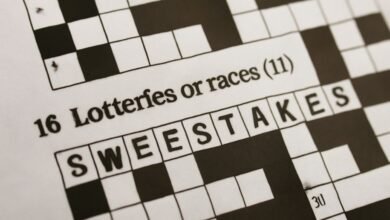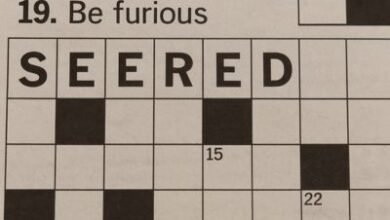
When people search for “clues crossword puzzle clue,” they are often trying to make sense of something that feels simple on the surface but quickly becomes tricky once you slow down and look at it. In crossword puzzles, a clue is not just a question or a hint. It’s a carefully crafted instruction that tells the solver how to arrive at a specific word or phrase.
A crossword puzzle clue usually serves one core purpose: to guide you to the correct answer using language, logic, and sometimes misdirection. That misdirection is intentional. Puzzle creators want solvers to think, pause, reconsider, and eventually have that satisfying “aha” moment.
At its most basic level, a clue points toward a definition. For example, a short clue like “Fast runner” might lead you to think of an athlete. But in crossword logic, it could just as easily mean something mechanical, like a conveyor belt. This layered meaning is what makes clues both frustrating and enjoyable.
The word clues itself often appears as a crossword puzzle clue with answers like “hints,” “signs,” or “tips,” depending on the puzzle’s theme and letter count. This can confuse new solvers, because the word describing the puzzle’s instructions becomes part of the puzzle itself.
Another important detail is that crossword clues follow consistent internal rules. Even when the wording feels playful, there is usually a logical path to the answer. For example:
- The tense of the clue often matches the tense of the answer
- Singular clues usually point to singular answers
- Plural clues often lead to plural answers
These patterns may not be written anywhere on the puzzle page, but experienced solvers rely on them constantly.
For readers of Empire Magazines, this topic fits well because it blends language, reasoning, and everyday problem-solving. Crossword clues are small examples of how wording shapes interpretation, something that applies far beyond puzzles.
Common Types of Crossword Puzzle Clues Explained
To fully grasp what “clues crossword puzzle clue” refers to, it helps to know that not all clues work the same way. Puzzle creators use different styles depending on the difficulty level and the audience. Below are the most common types, explained in simple terms.
Straight Definition Clues
These are the most beginner-friendly. The clue directly defines the answer with little or no trickery.
Example concept:
- Clue: “Large ocean mammal”
- Answer: A whale
There is no hidden wordplay here. The challenge is mostly vocabulary.
Synonym-Based Clues
Many crossword puzzle clues rely on synonyms. A single word can have several meanings, and puzzles often use the less obvious one.
Conceptual example:
- Clue: “Clues”
- Possible answer: “Signs”
The solver must think of alternate meanings rather than the most common one.
Fill-in-the-Blank Clues
These clues use a partial phrase that must be completed.
Example concept:
- Clue: “___ and error”
- Answer: “Trial”
These are often easier because the phrase feels familiar.
Wordplay and Misdirection Clues
This is where crossword puzzles become more playful. The clue might suggest one idea while meaning another.
Example concept:
- Clue: “Bank feature”
- Answer: “River”
Your mind might go to finance first, but the puzzle wants geography.
Abbreviation Clues
Sometimes clues hint that the answer is shortened.
Conceptual signals include:
- “Briefly”
- “For short”
- “Abbr.”
If you see these, the answer is likely an abbreviation rather than a full word.
Plural and Group Clues
When the clue is plural, the answer usually is too.
Example concept:
- Clue: “Clues”
- Answer: “Hints”
This seems obvious, but it’s an important rule that helps narrow down options.
Theme-Based Clues
In themed puzzles, some clues only make sense once you recognize the puzzle’s central idea. The clue might feel odd until several related answers appear in the grid.
For example, if the theme revolves around word endings, the clue “Clues” might have a creative answer that fits the pattern rather than the most direct synonym.
Understanding these types makes it easier to decode what a crossword puzzle clue is really asking. Instead of guessing randomly, solvers learn to read clues as structured prompts.
Why Crossword Clues Are Written the Way They Are
Many people wonder why crossword puzzle clues can feel confusing, vague, or even misleading. The reason lies in how puzzles are designed. A crossword is not meant to be solved instantly. It’s meant to be worked through gradually.
Clue writers balance fairness with challenge. Every clue must technically point to the correct answer, but not in a way that gives it away immediately. This balance is what separates a good puzzle from a dull one.
One key principle is economy of language. Clues are short by necessity, so every word matters. A single adjective can completely change how the clue should be read.
Another principle is consistency. If a puzzle uses a certain rule early on, it tends to follow that rule throughout. This helps solvers build confidence as they progress.
Crossword clues also rely heavily on shared cultural knowledge. This doesn’t mean obscure trivia, but common phrases, everyday expressions, and widely understood meanings. For example, the word “key” could refer to music, security, importance, or location. The surrounding clues and letter crossings help narrow it down.
There’s also a strong logic element. Think of a crossword puzzle like a legal argument or a financial worksheet. Each piece must fit precisely, and one incorrect assumption can throw off everything connected to it. In that sense, crossword clues reward careful thinking more than quick guessing.
To explain this with a neutral comparison, imagine reviewing a contract. The wording may seem straightforward, but small details change the interpretation. Crossword clues work the same way. The phrasing tells you not just what the answer is, but how to think about it.
This design philosophy explains why the phrase “clues crossword puzzle clue” itself can be ironic. The clue for “clues” may require a solver to think beyond the obvious, reinforcing the puzzle’s purpose.
How Solvers Interpret and Use Clues Effectively
Solving crossword puzzles becomes much easier once you stop seeing clues as riddles and start seeing them as instructions. Skilled solvers don’t rush. They interpret.
One common approach is to scan the puzzle and fill in the easiest clues first. These usually include fill-in-the-blank clues, short answers, or familiar phrases. Once those are filled, the intersecting letters help unlock more difficult clues.
Another helpful technique is reading clues literally, then re-reading them figuratively. If the literal meaning doesn’t fit, the puzzle is probably asking for an alternate interpretation.
Solvers also pay close attention to:
- Verb tense
- Singular vs. plural forms
- Punctuation, like question marks
- Indirect indicators, such as “maybe” or “often”
A question mark, for example, often signals wordplay. It tells the solver that the clue may not be straightforward.
Letter patterns matter too. Even if you don’t know the answer immediately, filling in a few letters can narrow the options dramatically. At that point, the clue’s meaning often becomes clearer.
There’s also a learning curve. Over time, solvers begin to recognize recurring clue styles. Certain words frequently point to specific types of answers. This doesn’t mean memorizing solutions, but rather becoming fluent in the language of puzzles.
From an educational standpoint, crossword clues encourage flexible thinking. They train people to consider multiple meanings, evaluate context, and revise assumptions. These skills apply just as well to reading contracts, analyzing financial statements, or assessing everyday information.
That’s one reason why crossword puzzles remain popular across generations. They offer a low-stakes way to practice careful reasoning.
At Empire Magazines, topics like this resonate because they show how small details influence interpretation. Whether you’re decoding a puzzle or evaluating a business term, the ability to read closely is valuable.
The Broader Appeal of Crossword Puzzle Clues
The popularity of crossword puzzles hasn’t faded, even in a digital age. One reason is the unique role that clues play. They transform a grid of empty boxes into a mental challenge that feels personal.
Clues create a dialogue between the puzzle creator and the solver. Each clue is a message that says, “Here’s a path, if you’re willing to look carefully.” That sense of collaboration keeps people coming back.
The phrase “clues crossword puzzle clue” captures this layered experience. It reflects how language can loop back on itself, turning simple words into puzzles of their own.
Crossword clues also adapt over time. As language evolves, so do the clues. New phrases enter common usage, while older expressions become less frequent. This keeps puzzles fresh and reflective of broader cultural shifts.
Importantly, well-written crossword clues aim to be fair. Even when they are challenging, they should not require secret knowledge or guesswork. The answer should always be reachable through logic and language.
This fairness is what builds trust between the puzzle and the solver. When someone struggles with a clue but eventually solves it, the reward feels earned.
Conclusion: Why “Clues Crossword Puzzle Clue” Matters
The phrase “clues crossword puzzle clue” may sound repetitive, but it highlights the heart of crossword solving. Clues are more than hints. They are structured prompts that combine definition, wordplay, and logic.
By learning how clues are written and how they function, solvers gain more than puzzle skills. They sharpen their ability to read carefully, think flexibly, and recognize patterns. These skills extend well beyond crossword grids.
Whether you’re a casual solver or someone who enjoys dissecting language, crossword clues offer a compact and rewarding mental exercise. And once you see how much thought goes into a single line of text, even the simplest clue starts to feel more interesting.
Frequently Asked Questions (FAQs)
What does “clues” mean as a crossword puzzle clue?
When “clues” appears as a crossword puzzle clue, it usually points to a synonym rather than the concept of a puzzle hint itself. Common answers include words like hints, signs, tips, or indications. The correct answer depends on the letter count and intersecting answers in the puzzle.
Why does the clue for “clues” sometimes feel confusing?
It can feel confusing because crossword clues often rely on alternate meanings. While “clues” commonly means hints, a puzzle might be using a less obvious meaning. Crossword creators also use misdirection to make solvers pause and think before settling on an answer.
How do I know which synonym for “clues” is correct?
The best way is to:
- Check the number of letters required
- Look at the letters from crossing answers
- Pay attention to whether the clue is singular or plural
Crossword puzzles are designed so that the correct answer fits both the clue and the grid logic.
Are crossword puzzle clues meant to trick solvers?
They are meant to challenge, not trick unfairly. A well-written crossword puzzle clue always contains a logical path to the answer. Even when wordplay or misdirection is involved, the solution should make sense once you see it.
Does punctuation in a crossword clue matter?
Yes, punctuation can be very important. For example:
- A question mark often signals wordplay or a non-literal meaning
- Quotation marks may suggest slang or spoken language
These small details help solvers interpret how the clue should be read.
Why are crossword clues written so briefly?
Crossword puzzles have limited space, so clues are written with very few words. Each word is chosen carefully to provide just enough information without giving away the answer. This is part of what makes crossword puzzles engaging.
Can the same crossword clue have different answers in different puzzles?
Yes. The same wording can lead to different answers depending on:
- Puzzle theme
- Grid size
- Letter count
- Overall difficulty
That’s why context within the specific puzzle is always important.
Are crossword clues consistent across all puzzles?
Most crossword puzzles follow shared conventions, such as tense and plurality rules. However, difficulty levels vary, and themed puzzles may bend standard expectations slightly while still remaining fair.