The Rise and Fall of Streameast: Inside the World’s Biggest Illegal Sports Streaming Network

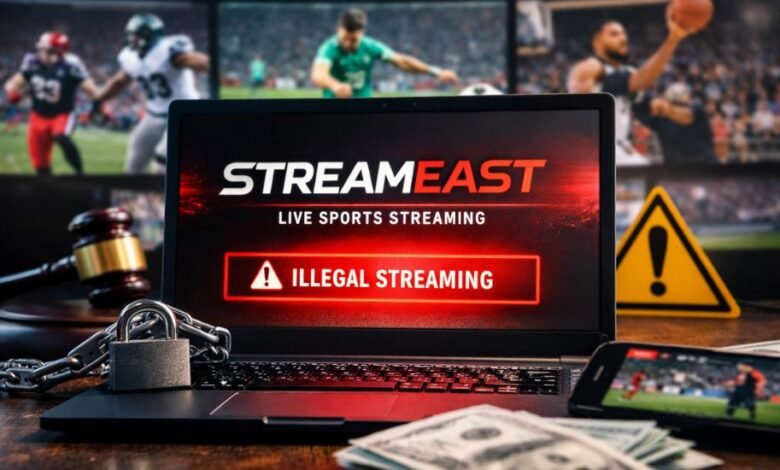
For much of the last decade, the rise of digital streaming has revolutionized how audiences consume live sports content, but few phenomena in that revolution have been as controversial, as pervasive, and as polarizing as Streameast. Once celebrated in forums and amongst passionate fans for offering what many described as “free access” to major sporting events ranging from Premier League soccer to NFL matchups, Streameast became emblematic of the challenges facing global sports broadcasting rights, copyright enforcement, and digital piracy in the modern era. What began as a ubiquitous destination for millions of fans worldwide quickly drew the scrutiny of rights holders and law enforcement, ultimately culminating in one of the most significant anti‑piracy crackdowns in sports media history. As a complex amalgam of technological ingenuity, user demand, legal peril, and economic impact, the Streameast story compels a deep and nuanced examination of how sports content is valued, distributed, and protected in an age defined by instant connectivity and shifting consumer expectations.
Origins and Evolution of the Streameast Network
Streameast emerged in the early 2020s in a digital ecosystem where fans faced mounting frustration over the fragmentation of legitimate streaming rights across multiple subscription platforms, regional blackouts, and prohibitive paywalls that often priced casual viewers out of the experience. Against this backdrop, the brand name Streameast began to circulate across social media and fan communities as shorthand for unofficial streaming links that purported to carry live games at no monetary cost to the viewer. Over time, a sprawling network of domains and mirror sites developed under the Streameast banner, each offering a patchwork of embedded streams that aggregated content from disparate sources without any authorization from content owners. At its peak, the Streameast network reportedly encompassed more than 80 domains that collectively logged an astonishing 1.6 billion visits in the span of a single year, drawing traffic from regions including the United States, Canada, the United Kingdom, the Philippines, and Germany. This rapid growth reflected both the ingenuity of its operators in circumventing takedown efforts and the persistent appetite for free, live‑sports streaming that many mainstream platforms were unable — or unwilling — to satisfy.
How Streameast Worked: Technology and User Experience
Technically, Streameast did not host sports broadcasts in the traditional sense but relied on an intricate ecosystem of embedded streams, redirections, and aggregators that pulled content from third‑party sources scattered across the web. To the average user, this translated into a deceptively simple interface: click on a desired match or event and choose from a list of available streams, often presented alongside competing links with varying labels offering “high quality”, “HD”, or “low latency” options. However, beneath this veneer of convenience lay a labyrinth of redirects, pop‑ups, and advertising layers designed to monetize traffic or trigger additional downloads, plugins, or tracking cookies. Users frequently encountered persistent adware, malware‑laden redirects, and intrusive banners that not only disrupted the viewing experience but also posed potential cybersecurity risks. Compounding these issues was the constant flux of domain names and URLs — a cat‑and‑mouse game where takedown notices, copyright enforcement actions, and domain seizures were met with the creation of new mirror sites that bore the Streameast brand or similar names, intentionally blurring the line between the original operation and opportunistic clones. For many casual visitors, this meant that even as some portals disappeared, others quickly sprang up in their place, making it difficult to ascertain the legitimacy or safety of any single destination.
The Culture of Free Streaming and Why Fans Turned to Streameast
Understanding the popularity of Streameast requires an honest engagement with the broader cultural and economic forces driving consumer behavior in sports media. Over the past decade, the fragmentation of broadcast and streaming rights has made it increasingly expensive to follow sports, with audiences in many markets needing to subscribe to multiple services to access all the games they care about. This partitioning of rights across pay‑TV packages, digital platforms, and regional restrictions created fertile ground for alternatives that promised comprehensive coverage without financial barriers. In this context, Streameast tapped into a deeply felt desire for accessibility and immediacy, appealing especially to younger viewers, cord‑cutters, and international audiences unable to afford or access licensed streams. Social media, Reddit threads, and fan forums amplified this sentiment, often treating Streameast as a necessary workaround rather than a legal gray area. Yet the very factors that fueled its rise also laid bare the structural drawbacks of modern sports broadcasting: a fractured marketplace that prioritizes profit maximization through exclusive rights deals at the expense of convenience, transparency, and global fan engagement. Ironically, the underground popularity of Streameast spotlighted not just consumer demand for cheaper access but also the limitations of traditional rights models in an era of rapid digital transformation.
Legal and Copyright Implications of the Streameast Phenomenon
From the perspective of rights holders and content creators, Streameast’s proliferation represented more than a nuisance; it constituted an existential threat to the economic foundations of live sports broadcasting. Copyright law across jurisdictions uniformly protects the exclusive right of content owners to control, distribute, and monetize their broadcasts, and platforms that circumvent this framework do so at significant legal peril. Streameast’s operation, which provided unauthorized access to premium sports content without licensing agreements, ran afoul of international intellectual property norms and local statutes governing digital piracy. Enforcement agencies and industry coalitions were swift to label the network as a major infringer, pointing to the financial losses incurred by leagues, broadcasters, and rights holders as a direct consequence of unlicensed streaming. In many countries, courts have upheld that even the act of hosting or facilitating access to pirated streams can expose operators and, in some cases, users to civil and criminal liability. Despite popular misconceptions among some fans that merely watching a stream was harmless, the legal consensus underscored that unauthorized distribution and public performance of copyrighted content undermined market incentives for legitimate broadcast agreements and jeopardized investments in sports programming.
The 2025 International Crackdown: ACE and Egyptian Authorities
The culmination of sustained legal pressure against Streameast occurred in the second half of 2025 when a coordinated international operation finally dismantled the core infrastructure of the network in a dramatic enforcement action. According to official statements from the United States‑based Alliance for Creativity and Entertainment (ACE) — a global coalition of major media and entertainment companies — and Egyptian law enforcement, Streameast was identified as the largest illegal live sports streaming platform in the world, generating over 1.6 billion visits across its domains. In partnership with Egyptian authorities, ACE executed a raid in Cairo in August 2025 that resulted in the shutdown of Streameast’s principal servers and the arrest of two individuals accused of operating the piracy network. Authorities also uncovered evidence of elaborate financial schemes, including alleged advertisement revenue laundering totaling millions of dollars, and seized devices, accounts, and related documentation tied to the operation. Rights holders and anti‑piracy advocates hailed the crackdown as a landmark victory in the battle against digital piracy, emphasizing the importance of cross‑border cooperation in enforcing copyright law in a deeply interconnected digital ecosystem. The 2025 operation marked a stark turning point in the Streameast narrative, signaling that even the most entrenched illicit streaming networks were not beyond the reach of concerted legal action.
Economic and Industry Impact of the Shutdown
The dismantling of Streameast reverberated across the sports and media industries, prompting a wide range of economic and operational responses. For broadcasters and legitimate streaming services, the shutdown represented both a relief and a challenge; while piracy siphoned off potential revenue, it also reflected genuine unmet demand for affordable, comprehensive access to live sports. Networks that had invested heavily in exclusive rights deals welcomed the reinforcement of legal norms protecting intellectual property, but executives also acknowledged that the broader market dynamics — including consumer frustration with fragmented subscriptions — remained unresolved. For leagues, advertisers, and sponsors, the closure of such a large illegal platform was welcomed as a move toward preserving the value of broadcast agreements and the contractual obligations tied to revenue sharing. However, commentators within the industry also noted that piracy is a resilient and adaptable phenomenon, often reappearing under new guises or decentralized technologies, and that enforcement alone cannot fully eradicate unauthorized streaming without complementary efforts to improve legitimate access and affordability.
User Safety and Cybersecurity Considerations
Beyond legal concerns, the Streameast story also highlighted the significant cybersecurity risks associated with unauthorized streaming sites. Many of the websites masquerading under the Streameast name were rife with intrusive advertisements, pop‑ups, and hidden tracking mechanisms, exposing users to malware, phishing, and privacy violations. Security analysts have cautioned that sites offering unlicensed content frequently employ third‑party ad networks with minimal oversight, creating vectors for malicious code that can compromise devices or steal personal data. In the aftermath of the 2025 crackdown, numerous clone and mirror sites emerged, falsely claiming affiliation with the original network but actually serving as traps for unsuspecting visitors. Users attempting to access their favorite sports streams via these platforms risked not only violating copyright law but also suffering identity theft, financial loss, or device compromise. This dual threat — legal exposure and cybersecurity vulnerability — underscores the inherent dangers of relying on unauthorized sources for digital content consumption.
The Role of Alternatives: Legal Streaming and Consumer Demand
In response to the void left by Streameast’s shutdown, sports fans and industry observers have increasingly turned their attention toward legitimate streaming alternatives that seek to balance accessibility with lawful content distribution. The accelerating shift to subscription‑based platforms such as ESPN+, DAZN, Peacock, and other regional rights partners has reshaped the sports media landscape, challenging consumers to adapt to a proliferation of apps and paywalls. While these services offer high‑quality broadcasts and official support, they also contribute to the fragmentation of rights that initially fueled Streameast’s rise. Some commentators argue that the industry must reconcile the tensions between maximizing revenue through exclusive deals and meeting the evolving preferences of global audiences who seek flexible, affordable, and unified access to live sports. Bundled subscription models, ad‑supported tiers, and hybrid licensing arrangements are among the proposed solutions aimed at enhancing consumer choice while preserving the economic viability of sports broadcasting.
The Legal and Ethical Debate: Piracy, Access, and Fair Use
At its core, the debate surrounding Streameast intersects with broader questions about digital access, property rights, and the ethics of content consumption. Advocates for open access have contended that high subscription costs and regional barriers effectively lock out many fans from engaging with the sports they love, prompting some to rationalize piracy as a form of civil disobedience or technological egalitarianism. Conversely, rights holders and policymakers argue that intellectual property protections are essential to sustaining the multi‑billion‑dollar sports industry, from grassroots development to elite competitions, and that unauthorized streaming erodes the financial foundations that make live sports possible. Courts and regulatory bodies around the world have largely sided with strict interpretations of copyright law, emphasizing that convenience or affordability does not trump legal obligations. The Streameast case crystallizes these tensions, forcing stakeholders to confront uncomfortable truths about how value is assigned to content, who gets to control its distribution, and how to balance commercial interests with public enthusiasm for accessible digital media.
Post‑Shutdown Landscape: Copycats and the Future of Unauthorized Streaming
Even after the 2025 takedown, the digital landscape has not been entirely cleared of unauthorized streaming services using the Streameast name or similar branding. Many of these copycat sites operate independently of the original network, offering pirated content under the illusion of continuity while harvesting traffic for ad revenue or malicious exploitation. Law enforcement and anti‑piracy groups have repeatedly warned users against engaging with these sites, noting that they pose equal or greater legal and security risks. The persistence of such mirrors and clones reflects a deeper reality: as long as there is unmet demand for free or low‑cost live content, new iterations of unauthorized streaming are likely to emerge, adaptive to takedowns and enforcement efforts. This underscores the need for a multifaceted approach that combines legal deterrence, improved legitimate offerings, public education, and technological solutions to diminish the appeal of illegal alternatives.
Global Implications for Sports Media Rights Enforcement
The Streameast saga has delivered valuable lessons for global sports media rights enforcement, particularly around the necessity of international cooperation, adaptive legal frameworks, and vigilant monitoring of digital ecosystems. The successful collaboration between the Alliance for Creativity and Entertainment and Egyptian authorities demonstrated that piracy is not confined by national borders and that effective enforcement requires coordinated efforts among rights holders, governments, and technology partners. Furthermore, the case has prompted renewed investment in monitoring tools, content identification technologies, and educational campaigns aimed at discouraging piracy and promoting legal consumption. Rights holders have also leveraged the publicity from high‑profile crackdowns to advocate for stronger statutory penalties and streamlined processes for domain seizure, takedown orders, and ISP cooperation.
Lessons for Fans and the Future of Sports Streaming
For sports fans, the rise and fall of Streameast serves as a cautionary tale about the complexities of modern content distribution. While the allure of free streaming is understandable, the long‑term consequences of engaging with unauthorized sites range from legal penalties and security threats to undermining the ecosystem that supports the sports they cherish. The industry’s evolving efforts to provide more flexible, affordable, and user‑centric access options reflect a recognition that consumer needs must be balanced with sustainable business models. Looking ahead, the future of sports streaming will likely hinge on innovations that address fragmentation, deliver quality experiences across devices, and foster environments where fans can connect with live events without resorting to illicit alternatives. The Streameast story, in its rise and ultimate shutdown, encapsulates both the challenges and opportunities inherent in this dynamic media landscape.
Conclusion: The End of an Era and a New Chapter in Sports Broadcasting
The narrative of Streameast, from its meteoric rise as one of the most visited live sports streaming networks in the world to its dramatic takedown in 2025, illustrates the deep tensions at the intersection of technology, law, commerce, and consumer behavior. As one of the largest illegal sports streaming networks ever known, its shutdown marked not just the end of a notorious pirate operation but also a critical moment of reflection for how sports content is valued, distributed, and regulated in a digital age. The operation led by the Alliance for Creativity and Entertainment in cooperation with Egyptian authorities demonstrated the power of collective legal action against digital piracy, reinforcing the importance of intellectual property protections for sports leagues, broadcasters, and fans alike. However, the persistence of copycat sites and the ongoing popularity of unauthorized streaming underscore that the challenges revealed by the Streameast phenomenon are far from resolved. For the sports media industry, navigating this future will require a continued commitment to innovation, accessible content distribution, and collaborative enforcement, ensuring that fans can enjoy live sports in ways that respect both legal frameworks and the passion that makes sport a global cultural touchstone. As the dust settles on the Streameast saga, the lessons it imparts will continue to shape the evolution of sports broadcasting for years to come, reminding stakeholders that the balance between access, affordability, and legality remains the central challenge of our digital era. In chronicling this journey and its implications, this article for Empire Magazines seeks not only to inform but to contextualize a pivotal chapter in the history of digital sports media.
FAQs About Streameast
What was Streameast and why was it so popular?
Streameast was an online platform that offered free live streaming of sports events from around the world. Its popularity stemmed from providing access to a wide range of sports including football, basketball, and American football without subscription fees or regional restrictions. Fans gravitated toward the platform because it allowed them to bypass expensive pay-TV packages and multiple streaming services, providing the perception of convenience and comprehensive coverage in one place. This combination of accessibility, variety, and instant availability made it highly attractive to users who were otherwise frustrated by fragmented legitimate sports streaming offerings. Despite its appeal, the platform operated without official broadcasting rights, placing it in a legal gray area and exposing users to both cybersecurity and copyright risks.
Was Streameast legal to use?
No, Streameast was not a licensed sports broadcaster, and it operated by linking to unauthorized sources of live content. This meant that it violated copyright laws in many jurisdictions, making both the operators and potentially the users liable under intellectual property regulations. While casual viewers often perceived using the platform as harmless, copyright enforcement bodies have made clear that accessing unauthorized streams contributes to the infringement ecosystem. As such, using Streameast, or any similar unlicensed streaming service, carried potential legal consequences, ranging from warnings from internet service providers to fines or more serious penalties depending on local legislation.
Is Streameast still operational?
As of the major crackdown in 2025 by the Alliance for Creativity and Entertainment (ACE) in collaboration with Egyptian authorities, the original Streameast network was effectively shut down, with its main domains seized and core operators arrested. However, due to the popularity of its brand, several clone or mirror sites have emerged online, claiming affiliation with the original network. These copies are not legitimate and often pose cybersecurity risks, including malware, phishing, and intrusive advertising. Therefore, users should exercise extreme caution and avoid any sites claiming to be Streameast, as their reliability and safety cannot be guaranteed.
What are the risks of using Streameast or similar streaming platforms?
Using Streameast or similar unauthorized streaming services carries a combination of legal and cybersecurity risks. Legally, accessing copyrighted content without permission can result in potential fines or warnings from authorities, depending on local enforcement policies. From a cybersecurity perspective, these platforms are notorious for intrusive ads, pop-ups, malicious redirects, and potential malware infections that can compromise personal data and devices. Furthermore, many mirror sites masquerading as Streameast are designed specifically to harvest user information or deliver harmful software. The combination of these factors makes using such platforms both unsafe and legally questionable, highlighting the importance of turning to licensed and secure alternatives.
What legal alternatives exist for streaming live sports?
Fans seeking legitimate ways to stream live sports have a variety of legal options that provide high-quality broadcasts without the risks associated with unlicensed platforms. Popular paid services include ESPN+, DAZN, Peacock, Sling TV, and YouTube TV, which offer comprehensive coverage across multiple sports and leagues, often with additional features like replay, highlights, and on-demand access. Many platforms also provide regional ad-supported or hybrid models that allow viewers to watch events at reduced or no cost while remaining fully compliant with copyright laws. These alternatives ensure that fans can enjoy sports safely, reliably, and legally, while supporting the leagues, teams, and broadcasters responsible for producing and distributing the content.