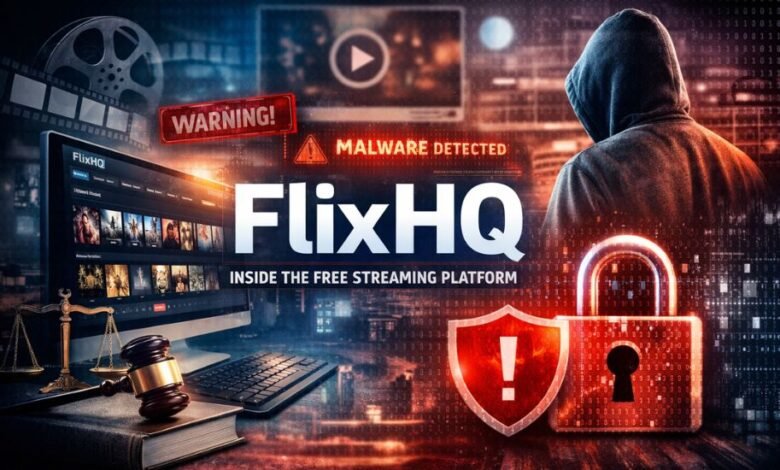
FlixHQ has emerged as one of the most talked‑about names in the world of free online streaming platforms, attracting millions of users who are seeking movies and television series without the barrier of subscriptions or paid accounts. At its core, FlixHQ presents itself as a browser‑based entertainment destination that allows users to access a wide array of movies and shows simply by navigating to a web address, typing a title into a search bar and clicking a play button. Unlike traditional paid platforms such as Netflix or Amazon Prime Video, it does not require registration, monthly fees, or even the creation of a user profile to start viewing content, which has made it appealing to casual viewers around the globe who want immediate access without the cost or commitment associated with licensed services. However, beneath this simplicity lies a complex web of user experience considerations, legal questions and technological implications that warrant thoughtful examination. Most of the content offered by FlixHQ is made available through embedded links sourced from third‑party streaming servers, meaning the platform itself does not host the video files directly but rather aggregates these links into an interface that appears seamless to the viewer. This approach enables FlixHQ to present vast libraries with minimal infrastructure investment, yet it also raises significant questions about content rights and regulatory compliance. In many regions where copyright law is stringent, providing access to unlicensed content—even through embedded third‑party streams—is regarded as operating in a legal gray area or is outright illegal, potentially exposing users to copyright infringement liabilities depending on local legislation. The legal status of FlixHQ varies by region, and while some users casually stream without consequence, others may face actions from internet service providers or copyright enforcement entities in jurisdictions where unauthorized distribution of media is monitored and penalized. At the same time, the platform’s popularity persists because it taps into the modern appetite for flexible, cost‑free access to entertainment, especially for viewers who may not be able to sustain multiple paid subscriptions or who are seeking content that licensed services do not readily offer.
Evolution and User Appeal of FlixHQ in the Digital Streaming Landscape
The rise of FlixHQ is inseparable from the broader evolution of digital entertainment consumption, where access convenience increasingly trumps traditional distribution models. Over the past decade, streaming services have reshaped how films and series are released and consumed, creating a competitive environment for audience attention. Major players invest heavily in exclusive content and proprietary apps, yet they also erect paywalls and region‑based content restrictions that can frustrate users who seek unrestricted access. Within this context, FlixHQ positioned itself as an alternative that satisfies the modern viewer’s desire for immediacy and breadth without financial commitment, appealing particularly to audiences who are price‑sensitive, ad‑tolerant and comfortable navigating web‑based platforms. The interface of FlixHQ is typically simple and intuitive, with straightforward navigation that does not require steep learning curves or complex settings, which further enhances its appeal for casual users who prioritize ease over sophistication. In many user reports, the platform loads quickly and allows streaming to begin within moments of selecting a title, a feature that reinforces the perception of convenience. Moreover, the breadth of genres and titles—from recent blockbusters to classic films and niche international series—creates a perception of value that is difficult to ignore, particularly for users who feel constrained by the more limited catalogs of licensed free streaming alternatives. This broad appeal has driven organic growth as users share links and recommendations within online communities, reinforcing the perception of FlixHQ as a household name among free streaming options. Yet underlying this surface allure are persistent challenges such as fluctuating domain names, potential for broken links and varying stream quality, which are common characteristics of platforms that rely on third‑party hosting rather than centralized infrastructure. Despite these challenges, FlixHQ continues to attract a high volume of search queries and visits because it resonates with a subset of viewers who value access and immediacy above all else. This dynamic reflects broader tensions in the streaming ecosystem between convenience, legality and user expectations, pushing platforms like FlixHQ into the spotlight even as they navigate operational uncertainty.
How FlixHQ Works Behind the Scenes: Content Aggregation and Streaming Technology
To understand the mechanics of FlixHQ, it is essential to examine its approach to content aggregation and streaming technology, which differentiates it from fully licensed streaming services. Unlike platforms that host media files on proprietary servers and manage their own content delivery networks, FlixHQ acts largely as an indexer, compiling links from various third‑party video hosts and presenting them within a unified browsing experience. When a user searches for a movie or show, the system scans its indexed library for available links and displays them as streaming options that can be launched within the browser. This model offers certain advantages, such as minimizing storage requirements and reducing operational costs, but it also means that FlixHQ’s reliability and quality are dependent on the stability and legality of external hosts. Many of these links are provided by independent or semi‑unregulated video servers, which may host pirated or unlicensed copies of copyrighted content, a reality that contributes to FlixHQ’s legal ambiguities in many jurisdictions. Because the platform does not officially license the films and shows it indexes, its entire operation is built around facilitating access to content hosted elsewhere, which inherently places it at odds with copyright enforcement bodies and legal frameworks that protect intellectual property. Furthermore, this decentralized approach to content sourcing can lead to inconsistent streaming experiences; some servers may offer high‑definition playback up to 1080p or even 4K in rare cases, while others may deliver lower quality or unreliable streams that buffer or fail to load entirely. This variation reflects the underlying variability of third‑party hosts and underscores the technological tradeoffs involved in maintaining a free platform without paid infrastructure. Users who regularly navigate FlixHQ often develop informal strategies for coping with these inconsistencies, such as switching servers when a link fails or using ad blockers to mitigate intrusive pop‑ups, yet these workarounds further illustrate the platform’s reliance on a loosely connected web of external resources rather than a cohesive internal content delivery system. In essence, FlixHQ’s operational model underscores both the appeal and the precariousness of free streaming services that operate outside conventional licensing frameworks.
User Experience: Navigation, Content Discovery, and Streaming Quality
When users arrive at FlixHQ, the immediate impression is often shaped by the platform’s layout, search capabilities and overall ease of use, all of which contribute to the perception of accessibility that distinguishes it from more complex streaming ecosystems. The site interface is typically designed for simplicity, with a prominent search bar and genre categorizations that allow users to find titles quickly without needing an account or subscription, aspects that contribute to the intuitive exploration of content. For many users, this frictionless access is one of the platform’s primary draws, as it eliminates barriers that paid services impose such as login requirements or monthly fees, enabling users to watch titles with minimal setup. However, beneath this user‑friendly surface lie several common challenges that frequent visitors will quickly learn to navigate, including advertisements and occasional pop‑ups that can disrupt the browsing and viewing experience if safeguards like ad blockers are not in place. It is not uncommon for users to encounter links that redirect to external sites or open multiple tabs, particularly when clicking unintended buttons or deceptive prompts, which can lead to frustration or even exposure to potentially unsafe web pages that host malware or phishing attempts. In terms of streaming quality, experiences can vary widely because the platform sources streams from a diverse array of servers that may differ in bandwidth, geographic location and maintenance status. Some users report smooth playback with minimal buffering on stable internet connections, while others encounter frequent interruptions or low resolution that detracts from the overall viewing experience, especially during peak internet usage times. These inconsistencies are a direct result of FlixHQ’s reliance on third‑party hosted streams rather than centralized content delivery networks, meaning that performance is contingent on the stability of external servers and network conditions beyond the platform’s direct control. As a result, the user experience on FlixHQ can feel highly personalized and situational, influenced by the specific links selected, the device being used and the viewer’s network environment. Yet despite these hiccups, many users remain loyal to the site because the overall ease of discovering and watching content without payment continues to outweigh the occasional technical drawbacks, reinforcing FlixHQ’s appeal among certain segments of the digital audience who prioritize free access above all else.
Safety and Security Considerations: Navigating Risks in Free Streaming Environments
While the convenience of FlixHQ may seem appealing at first glance, it is equally important to consider the safety and security implications associated with using free streaming platforms that operate outside conventional licensing models. One of the most prevalent concerns centers around the presence of advertisements and pop‑ups that can appear during browsing or playback, some of which may redirect users to unsafe websites or trigger unsolicited downloads. These ads are often served through third‑party ad networks that have varying security standards, meaning users may inadvertently encounter phishing pages, malware installers or unauthorized tracking scripts that compromise device integrity or privacy. Cybersecurity experts consistently warn that using ad blockers, reputable antivirus software and secure browsers can mitigate—but not completely eliminate—these risks, especially when navigating sites that aggregate content from multiple external hosts, each with its own security posture. In some cases, deceptive “download” buttons may be placed near legitimate stream controls, encouraging users to click and install software that can harbor malicious code, a tactic commonly seen across unregulated free streaming sites. Beyond these direct threats, the broader issue of privacy remains a concern because FlixHQ and similar platforms typically do not provide transparent data protection policies, leaving users uncertain about how their browsing behavior, IP address or device information may be tracked or shared by underlying ad networks or third‑party servers. Without robust encryption and clear data handling practices, users may unwittingly expose personal information or browsing habits to entities that operate outside the oversight that licensed streaming services provide, raising questions about consent and digital footprint management. For individuals who prioritize security and privacy, these factors underscore the importance of exercising caution when engaging with free streaming platforms, as the apparent cost‑free access may come with hidden tradeoffs that extend beyond legal considerations into realms of personal digital safety. Accordingly, users are frequently advised to adopt comprehensive safety practices such as maintaining updated software, activating security extensions and limiting the use of primary devices for high‑risk browsing activities like unverified free streams.
Legal and Copyright Implications: The Gray Area of Free Streaming Services
A central and often contentious aspect of any discussion about FlixHQ concerns the platform’s legal and copyright status, which is far from straightforward. Because FlixHQ does not hold licensing agreements for the vast majority of the movies and television series it provides links to, its entire mode of operation exists in a gray area that may be interpreted differently depending on the legal framework of a particular country. In many regions where intellectual property laws are strictly enforced, accessing or distributing copyrighted material without permission is considered a violation of local statutes, and while streaming without downloading may be treated with varying degrees of severity, the risk of enforcement action cannot be dismissed outright. Some jurisdictions explicitly prohibit the facilitation of access to unlicensed content, even if the hosting occurs on external servers, meaning that platforms like FlixHQ could be subject to legal challenges or blocking orders that restrict their accessibility to users within those regions. Users themselves may be affected by such enforcement if internet service providers, legal authorities or copyright holders monitor and act upon unauthorized streaming activities, potentially resulting in warnings, fines or other penalties depending on the local legal environment. It is worth noting that the legal landscape for digital content access is in flux, with some countries adjusting regulations to address the proliferation of unlicensed streaming services and user access through proxy or mirror domains, which can operate as decentralized versions of the same platform. This dynamic complicates the legal picture further, as users may be unsure whether accessing a particular domain associated with FlixHQ subjects them to liability under their jurisdiction’s laws. Additionally, even where direct legal consequences for casual streaming are minimal, the existence of a legal gray area underscores a broader ethical debate about the value of supporting content creators and rights holders through legitimate licensed services versus seeking free alternatives that bypass those economic structures. For many industry observers, the growth of platforms like FlixHQ highlights enduring tensions between consumer demand for accessible entertainment and the legal frameworks designed to ensure creators are compensated for their work, a debate that continues to shape policy discussions and enforcement strategies worldwide.
Community Experiences and Real‑World Observations of FlixHQ Use
Across online communities and discussion forums, user experiences with FlixHQ vary widely, reflecting the diverse expectations and technical environments of individuals engaging with the platform. Many users praise the site for its extensive catalog and lack of subscription barriers, noting that it often provides access to titles that may not be available on regional licensed services, which contributes to its appeal in areas with limited access to major streaming platforms. These positive accounts highlight instances where FlixHQ has functioned reliably, delivered high‑quality streams and offered a convenient way to watch content without financial commitment, which users describe as especially valuable for casual entertainment or occasional viewing. At the same time, numerous users report frustrations with inconsistent performance, broken links and server downtime that can abruptly interrupt viewing sessions, requiring manual switching to alternative streams or even prompting users to seek other websites entirely. Discussions also frequently address technical quirks such as servers that auto‑switch during playback, sudden 404 errors, or embedded ads that complicate navigation, creating an overall experience that oscillates between seamless enjoyment and irritating disruption. These community‑sourced observations align with broader analyses that free streaming platforms like FlixHQ inherently balance convenience with volatility, as their reliance on decentralized sources and evolving domain names makes consistent performance a moving target. Nevertheless, the fact that users continue to discuss workarounds, share tips for safer browsing and recommend FlixHQ alternatives within these forums underscores the enduring demand for free streaming options, even in the face of technical and legal uncertainties. This dynamic interaction between user expectations and platform realities paints a vivid picture of how FlixHQ is experienced in practice, illustrating both its appeal and its limitations as part of the larger ecosystem of digital content access.
Comparing FlixHQ with Licensed and Legal Streaming Alternatives
In order to fully contextualize FlixHQ’s place within the streaming landscape, it is instructive to compare its features and implications with those of licensed and legal alternatives that operate under formal agreements with content rights holders. Platforms such as Tubi, Pluto TV and Crackle offer free, ad‑supported content that is fully licensed and compliant with intellectual property laws, providing users with access to movies and television shows without subscription fees while ensuring that creators and distributors receive appropriate compensation for their work. Unlike FlixHQ, these legal alternatives maintain content libraries through negotiated rights deals, which often limits the availability of the very latest releases but guarantees that the material is distributed in a manner consistent with copyright protections. Moreover, legal free streaming services typically offer stable infrastructure, dependable streaming quality and robust security measures, including transparent privacy policies and minimal exposure to intrusive ads or unsafe redirects, features that make them a safer choice for users who are concerned about legal compliance and digital security. While licensed platforms often require user registration or support ads that are part of monetization strategies, they do so within frameworks that respect user data and use secure delivery networks to ensure consistent performance across devices. This contrast underscores the tradeoffs inherent in choosing between a platform like FlixHQ—which prioritizes unrestricted access and breadth of content regardless of licensing—and legal alternatives that emphasize safety, compliance and sustainability at the expense of some convenience. For many viewers, this comparison clarifies why licensed services are recommended for regular entertainment consumption, particularly for families, children or users who want peace of mind without navigating the uncertainties that free, unlicensed platforms entail. In essence, while FlixHQ may fill a niche for spontaneous or occasional viewing, it cannot replicate the reliability, legality and security that established licensed streaming services provide, making it a fundamentally different type of offering within the broader digital media ecosystem.
The Future of FlixHQ and Free Streaming Platforms
Looking ahead, the future of FlixHQ and similar free streaming platforms is likely to be shaped by ongoing shifts in digital media regulation, consumer behavior and technological innovation. As copyright enforcement continues to evolve, governments and industry stakeholders are increasingly focused on tightening legal frameworks to protect intellectual property rights in the age of streaming, which could result in more aggressive measures to block or restrict unlicensed services. Concurrently, consumer demand for accessible content shows no signs of diminishing, as audiences worldwide embrace streaming as a primary mode of entertainment and seek flexibility in how they watch films and series across devices. This inherent tension suggests that free platforms like FlixHQ may continue to adapt by changing domain names, leveraging decentralized hosting strategies or integrating new technologies designed to circumvent enforcement actions, even as licensed services invest in expanding their offerings and improving user experience. Additionally, advancements in streaming technology, such as improvements in content delivery networks, adaptive bitrate streaming and browser‑based video optimization, may influence how free platforms evolve, potentially enabling smoother performance that narrows the gap with licensed counterparts. Yet despite these possibilities, the essential legal and ethical questions surrounding unlicensed content access are likely to remain at the forefront of discussions in the streaming ecosystem, prompting ongoing debate among viewers, creators, policymakers and industry analysts about the balance between accessibility and intellectual property rights. For users, staying informed about these developments and making conscious choices about where and how they consume digital media will be increasingly important, as the streaming landscape becomes more complex and regulated over time.
Conclusion: Balancing Convenience, Security, and Legality in Streaming
In the digital era, platforms like FlixHQ represent both the allure and the complexities of free online streaming, offering a gateway to a vast array of films and television series without the barriers of subscription fees or registration hurdles. Its popularity reflects a broader cultural shift toward on‑demand access and flexible viewing habits that prioritize convenience above all else. Yet beneath this surface convenience lie substantive issues relating to legal compliance, digital safety and content quality that distinguish FlixHQ from licensed, regulated streaming services. Users who engage with the platform must navigate a landscape marked by inconsistent stream performance, security risks associated with advertisements and third‑party hosts, and the potential for legal implications depending on their jurisdiction’s intellectual property laws. While the platform’s ease of use and perceived value continue to attract audiences, responsible engagement requires awareness of these tradeoffs and a willingness to adopt safety practices such as using robust security tools and understanding local legal frameworks. As the streaming ecosystem evolves, the choices viewers make about platforms like FlixHQ will inevitably reflect a balance between accessibility and the ethical considerations of supporting content creators through legitimate channels. In this dynamic environment, staying informed and making deliberate decisions about where and how to access entertainment can help users enjoy the best of digital media while minimizing risk and respecting the rights underpinning the creative industries. Ultimately, platforms such as FlixHQ challenge us to think critically about the future of media consumption, the value of copyrighted content, and the responsibilities that accompany access to a global library of films and series. Empire Magazines