The Cadillac Lyriq, Cadillac’s first all-electric luxury SUV, has captured attention not only for its sleek design and cutting-edge technology but also for its intelligent driving modes. With the growing popularity of electric vehicles (EVs), drivers are increasingly curious about how different driving settings impact their daily experience. A common question arises: Do the driving modes in the Cadillac Lyriq offer different ranges or battery usages? This article explores the Lyriq’s driving modes in detail, analyzing how each mode affects energy consumption, battery performance, and real-world range. By understanding these nuances, drivers can make informed choices to optimize their driving experience.
Understanding Driving Modes in the Cadillac Lyriq
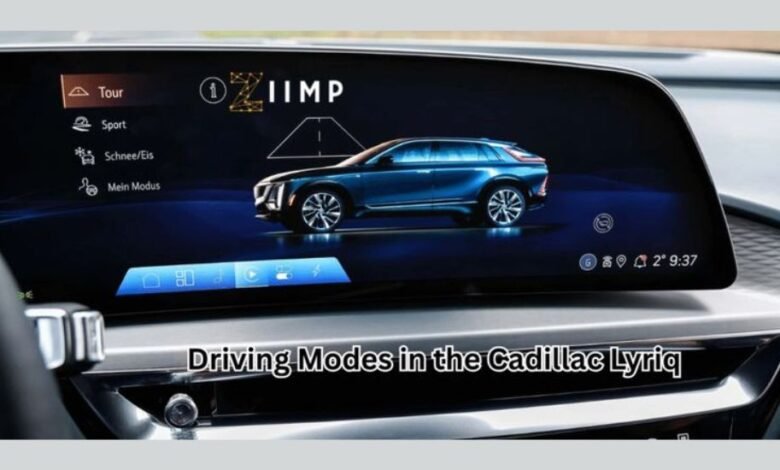
The Cadillac Lyriq features several driving modes designed to tailor the driving experience according to road conditions, personal preferences, and energy efficiency goals. These modes adjust key parameters such as throttle response, regenerative braking, steering feel, and torque distribution. The main driving modes in the Lyriq include Tour (Normal), Sport, Eco, Snow/Ice, and My Mode. Each mode is engineered with a specific driving philosophy in mind, balancing performance, comfort, and efficiency.
Tour/Normal Mode
Tour mode is considered the default driving setting of the Lyriq. Its primary focus is to provide a balanced driving experience, making it suitable for everyday use. In this mode, the SUV delivers smooth throttle response and moderate regenerative braking. This balance helps maintain optimal battery efficiency while providing a comfortable ride.
In terms of battery usage, Tour mode tends to align closely with the EPA-rated range of the Lyriq. Drivers who prioritize a predictable range and consistent energy consumption typically find Tour mode the most practical. Additionally, regenerative braking in this mode allows the vehicle to recover energy during deceleration, subtly extending the overall driving range.
Eco Mode
Eco mode is designed specifically to maximize energy efficiency and extend driving range. In this mode, the Lyriq adjusts throttle sensitivity, power output, and regenerative braking intensity to conserve energy. Acceleration becomes smoother, and energy recovery during deceleration is enhanced.
Drivers using Eco mode often report a noticeable improvement in range, sometimes gaining an additional 5–10% compared to Tour or Sport mode, depending on driving conditions and terrain. Eco mode is particularly effective in urban or stop-and-go traffic where frequent braking allows the regenerative system to recharge the battery.
Sport Mode
Sport mode prioritizes performance over efficiency. By sharpening throttle response, increasing torque delivery, and softening regenerative braking, Sport mode provides a more dynamic and engaging driving experience.
However, this comes at a cost. Battery usage in Sport mode is significantly higher, resulting in a reduction in driving range. Depending on driving style and road conditions, drivers may experience a 5–20% decrease in range compared to Eco or Tour mode. Sport mode is best suited for situations where performance is essential, such as merging onto highways or navigating curvy roads, rather than maximizing efficiency.
Snow/Ice Mode
Snow/Ice mode is optimized for slippery or challenging road conditions. It adjusts power delivery and torque distribution to enhance traction while maintaining vehicle stability. Throttle response is intentionally softened, and regenerative braking may be moderated to prevent wheel slip.
While safety is the primary focus of Snow/Ice mode, it also has a slight impact on battery usage. Energy consumption increases marginally compared to Tour mode due to the additional traction management processes, which may reduce range by a few percentage points. This mode is indispensable in winter conditions or areas with frequent rain, snow, or ice.
My Mode
My Mode allows drivers to create a personalized driving experience by combining elements of other modes. For example, drivers can adjust steering feel, throttle response, and regenerative braking intensity according to their preferences.
Battery usage in My Mode varies depending on the settings chosen. If the driver opts for a more relaxed setup resembling Eco mode, range and efficiency are preserved. Conversely, aggressive settings similar to Sport mode will increase energy consumption. My Mode provides flexibility but requires drivers to understand how their choices impact battery efficiency.
One-Pedal Driving and Regenerative Braking
In addition to the selectable driving modes, the Cadillac Lyriq features One-Pedal Driving, a system that intensifies regenerative braking when lifting off the accelerator. This system allows the vehicle to recover more energy during deceleration, effectively reducing net battery usage and extending range.
When combined with Eco or Tour mode, One-Pedal Driving can add an additional 5–15% to real-world range, particularly in city driving with frequent stops. This feature highlights how driving techniques, combined with vehicle technology, can significantly impact energy efficiency.
How Driving Modes Affect Battery Usage
It is important to note that driving modes in the Lyriq do not change the physical battery capacity. Instead, they alter the vehicle’s energy consumption patterns. Parameters like acceleration, torque distribution, and regenerative braking are modified in each mode to optimize for either performance, comfort, or efficiency.
-
Eco and Tour modes prioritize energy conservation and generally produce the most efficient battery usage.
-
Sport and aggressive My Mode settings increase battery consumption due to higher power demands and reduced energy recovery.
-
Snow/Ice mode slightly increases consumption due to traction control processes.
These adjustments translate into real-world range differences. Drivers who frequently use Sport mode may notice a tangible reduction in mileage per charge, whereas those in Eco or Tour mode can maximize the Lyriq’s driving range.
Factors Beyond Driving Modes
While driving modes significantly influence battery usage, other factors also play a crucial role in overall efficiency:
-
Speed: High-speed driving increases aerodynamic drag and energy consumption, regardless of the selected mode.
-
Climate Control: Heating or cooling systems can reduce range, as these draw power from the battery.
-
Terrain: Hilly or mountainous terrain requires more energy, impacting the driving range.
-
Driving Style: Aggressive acceleration or frequent braking increases energy consumption, even in Eco mode.
Understanding these variables in combination with driving modes can help drivers maximize efficiency and battery longevity.
Practical Tips to Optimize Range
-
Prefer Eco or Tour mode for daily commuting and long-distance drives.
-
Use Sport mode selectively for performance needs.
-
Take advantage of One-Pedal Driving in city traffic to recover energy efficiently.
-
Monitor climate control usage to minimize additional battery drain.
-
Adjust My Mode settings to find a balance between performance and efficiency.
By combining these practices with the intelligent driving modes of the Lyriq, drivers can achieve optimal range without compromising safety or driving enjoyment.
Conclusion
The Cadillac Lyriq’s driving modes do indeed affect battery usage and driving range. Each mode is designed with a specific purpose — from maximizing efficiency in Eco mode to delivering thrilling performance in Sport mode. Tour mode provides a balanced, reliable driving experience, while Snow/Ice mode ensures traction and stability in challenging conditions. My Mode allows customization for a personalized drive, influencing energy consumption depending on settings. By understanding the effects of each driving mode and employing energy-conscious driving habits, Lyriq owners can optimize their EV experience.
For more detailed insights into EV technology and efficiency, visit Empire Magazines for comprehensive guides, reviews, and updates on the latest electric vehicles.
FAQs: Cadillac Lyriq Driving Modes and Battery Usage
1. Do the driving modes in the Cadillac Lyriq really affect battery range?
Yes. Driving modes like Eco, Tour, Sport, Snow/Ice, and My Mode adjust power delivery, throttle response, and regenerative braking, which impacts battery usage and overall driving range.
2. Which driving mode offers the longest range in the Lyriq?
Eco mode typically provides the longest range by optimizing throttle sensitivity and maximizing regenerative braking. Tour mode also offers efficient energy usage while maintaining balanced performance.
3. How much range is lost when using Sport mode?
Range in Sport mode can be reduced by 5–20% compared to Eco or Tour modes, depending on driving style and conditions, due to higher energy consumption and reduced regenerative braking.
4. Does Snow/Ice mode use more battery?
Slightly. Snow/Ice mode increases energy use marginally because it manages torque and traction control to maintain stability on slippery roads.
5. What is One-Pedal Driving, and how does it affect battery usage?
One-Pedal Driving intensifies regenerative braking when the driver lifts off the accelerator, recovering energy during deceleration. This can improve efficiency and add 5–15% extra range, especially in stop-and-go traffic.
6. Can I customize energy efficiency in My Mode?
Yes. My Mode allows drivers to adjust steering, throttle, and regenerative braking settings. Efficiency depends on the selected combination — Eco-like settings save energy, while aggressive settings increase consumption.
7. Do driving modes affect the health of the battery?
No. Driving modes only influence how energy is used, not the actual health or capacity of the battery. Battery degradation depends on long-term factors like charging habits and temperature management.
8. Should I always drive in Eco mode to save battery?
Not necessarily. Eco mode maximizes range, but Tour mode provides a balanced experience, and Sport mode is ideal when performance is needed. Choosing the mode depends on driving conditions and preferences.