Arizona Cardinals vs Minnesota Vikings Match Player Stats: A Tale of Missed Chances and Clutch Moments

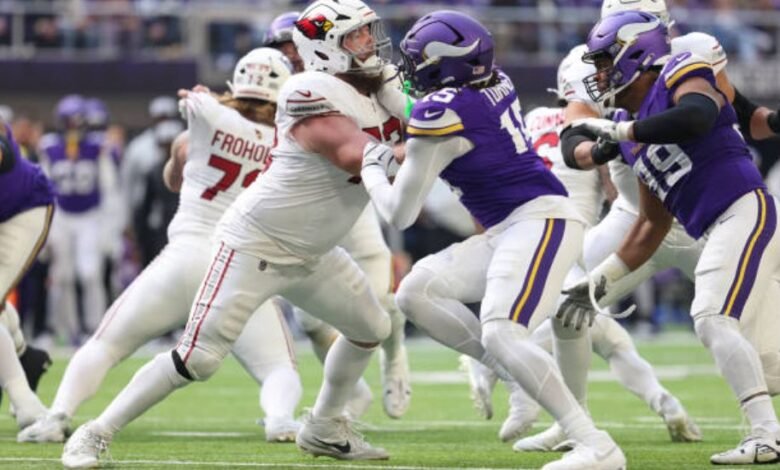
When the Arizona Cardinals clashed with the Minnesota Vikings on December 1, 2024, few expected such a nail-biting encounter. The final score — Minnesota 23, Arizona 22 — barely captures the drama, the momentum shifts, and the standout individual performances that made this one of the most compelling contests of the 2024 NFL season. The matchup, held at U.S. Bank Stadium in Minneapolis, turned into a story of two halves — one dominated by Arizona’s efficiency and control, and the other by Minnesota’s resilience and precision under pressure.
This game will be remembered not only for its statistical quirks but also for its narrative twists: Arizona’s early dominance, Minnesota’s improbable fourth-quarter comeback, and the stunning go-ahead touchdown that flipped the game’s script in the final minutes. Let’s dive deep into the player stats, tactical breakdowns, and pivotal plays that defined this showdown.
First-Half Dominance: Cardinals Control but Fail to Capitalize
The first half painted a picture of Arizona at its best — methodical, balanced, and confident. Kyler Murray led multiple long drives, converting third downs with ease. The Cardinals outgained the Vikings 406 to 273 total yards and maintained possession for an impressive 35 minutes and 49 seconds, compared to Minnesota’s 24 minutes and 11 seconds.
Yet, as has become a frustrating trend for Arizona this season, dominance in yardage did not translate to dominance on the scoreboard. Despite controlling the clock, Arizona repeatedly stalled in the red zone, settling for field goals instead of touchdowns.
Key first-half stats:
- Kyler Murray: 17-of-25 for 155 yards and one short touchdown pass.
- James Conner: 10 carries for 54 yards by halftime.
- Trey McBride: 5 catches for 63 yards in the opening half, often finding space in the intermediate zones.
Defensively, the Cardinals looked sharp early. They held Minnesota to just 6 points through two quarters, with linebacker Zaven Collins and edge rusher Dennis Gardeck leading a pass rush that registered three first-half sacks on Sam Darnold.
However, a key defensive lapse late in the second quarter allowed Minnesota to sustain a drive that ended in a field goal, trimming the lead to a manageable deficit and keeping hope alive for the home crowd.
Minnesota’s Patience Pays Off: Second-Half Adjustments
The Vikings emerged from the locker room visibly more composed. Offensive coordinator Wes Phillips adjusted to Arizona’s aggressive pass rush by emphasizing quicker throws and incorporating running back screens to Aaron Jones.
Sam Darnold — who had been under heavy pressure in the first half — began finding rhythm in the short passing game, particularly to Justin Jefferson, who finished with 7 receptions for 99 yards. Darnold’s poise became the turning point. He avoided turnovers, extended plays with subtle pocket movement, and spread the ball across his receiving corps.
Minnesota’s offensive line, which had struggled early, also found footing. Ezra Cleveland and Garrett Bradbury provided the stability Darnold needed to orchestrate a patient comeback.
By late in the third quarter, Minnesota had cut Arizona’s lead from 19-6 to 19-16, setting up a tense final stretch.
Fourth-Quarter Fireworks: A Game of Inches and Instincts
The fourth quarter was a masterclass in clutch football. With under five minutes to go, Arizona led 22-16 after a Matt Prater field goal. The Cardinals appeared poised to ice the game with their next possession, but a costly interception by Byron Murphy Jr. shifted momentum entirely.
That turnover set the stage for Sam Darnold’s finest drive of the season. With just over two minutes left, Darnold led a 75-yard march that showcased both precision and courage. On a critical third-and-goal, he threaded a perfect 8-yard strike to Aaron Jones in the end zone — Minnesota’s first lead of the night.
Arizona had one last chance. Kyler Murray’s two-minute drill advanced the ball past midfield, but back-to-back incompletions and a sack by Danielle Hunter ended the comeback bid. The Vikings’ sideline erupted; the stadium roared. The improbable had happened — Minnesota had won 23-22.
Offensive Breakdown: Quarterbacks Define the Narrative
Kyler Murray (Arizona Cardinals)
Murray’s stat line — 31-of-45 for 260 yards, 1 TD, and 2 INTs — tells a story of both brilliance and heartbreak. His ability to evade pressure and deliver strikes on the run was on full display, but the turnovers proved costly. The interception in the final minutes particularly stung, as it gave Minnesota the short field they needed for the winning drive.
Still, Murray’s composure throughout most of the game showcased his maturity and leadership. His chemistry with Trey McBride and Michael Wilson continues to grow, offering hope for Arizona’s offensive future.
Sam Darnold (Minnesota Vikings)
Darnold’s performance — 21-of-31 for 235 yards and 2 TDs — might not leap off the page, but it was one of efficiency and clutch timing. He protected the football, took calculated risks, and executed flawlessly in the final quarter. His game-winning drive will likely stand as one of the defining moments of Minnesota’s 2024 campaign.
Ground Game: Efficiency vs. Explosiveness
James Conner (Arizona)
The Cardinals leaned heavily on their veteran back, who finished with 68 yards on 16 carries. Conner’s bruising style helped Arizona control the clock but lacked the explosive chunk plays needed to break the game open.
Aaron Jones (Minnesota)
Jones was less productive on the ground (just 22 yards rushing) but contributed meaningfully in the passing game, scoring the go-ahead touchdown and converting multiple short-yardage situations. His versatility remains one of Minnesota’s greatest offensive assets.
Receiving Corps: Jefferson Shines, McBride Emerging
Justin Jefferson reaffirmed why he’s among the league’s elite receivers, totaling 99 yards on 7 catches. His ability to win contested catches and draw double coverage opened lanes for teammates like Jordan Addison and tight end T.J. Hockenson.
For Arizona, Trey McBride emerged as a consistent weapon. He led the Cardinals with 8 catches for 82 yards, often exploiting mismatches against Minnesota’s linebackers. Rookie wideout Michael Wilson added 57 yards on 5 grabs, while veteran Rondale Moore contributed 4 receptions for 33 yards.
Defensive Highlights: Pressure and Playmaking
Both defenses had their moments.
- Arizona’s Pass Rush: The Cardinals recorded 5 sacks, led by Gardeck (2 sacks) and Collins (1.5). Their ability to pressure Darnold early forced Minnesota into conservative play-calling for much of the first half.
- Minnesota’s Opportunism: The Vikings countered with one key sack but made up for it with takeaways — none bigger than Murphy Jr.’s interception that swung the game. Linebacker Ivan Pace Jr. also stood out with 10 tackles and several critical stops on third down.
The Vikings’ defense might have been statistically outgained, but it delivered when it mattered most — a hallmark of playoff-caliber teams.
Penalties and Discipline: The Hidden Factor
Hidden beneath the big plays was a crucial stat: Arizona committed 10 penalties for 96 yards, while Minnesota was flagged only 3 times for 56 yards. Each untimely flag pushed Arizona backward, nullifying long gains or extending Viking drives.
This lack of discipline is part of what head coach Jonathan Gannon will undoubtedly emphasize in film review. In a one-point game, those penalties were the silent difference.
Coaching Chess Match: Adjustments and Mind Games
Minnesota head coach Kevin O’Connell deserves high praise for his second-half adjustments. Realizing Arizona’s front seven was dictating the game, he transitioned to quicker developing plays and moved Darnold outside the pocket to neutralize pressure.
Meanwhile, Gannon’s defensive scheme worked brilliantly early but became overly conservative as the game progressed. The lack of disguised blitzes in the fourth quarter allowed Darnold to read the field more comfortably, culminating in the decisive drive.
In hindsight, Arizona’s failure to stay aggressive defensively might have cost them the game.
Special Teams: Often Overlooked, Always Crucial
Special teams played a subtle but meaningful role in shaping field position.
- Matt Prater (Arizona): Converted all his field goals, including a clutch 49-yarder in the fourth quarter that temporarily extended the lead.
- Greg Joseph (Minnesota): Was perfect on extra points and field goals, maintaining Minnesota’s momentum through consistent execution.
- Punt Coverage: The Vikings averaged better return yardage, helping them start critical drives near midfield — another small edge that compounded Arizona’s frustrations.
Statistical Summary
| Category | Arizona Cardinals | Minnesota Vikings |
|---|---|---|
| Total Yards | 406 | 273 |
| Passing Yards | 260 | 235 |
| Rushing Yards | 146 | 38 |
| First Downs | 26 | 17 |
| Sacks Allowed | 1 | 5 |
| Turnovers | 2 | 0 |
| Penalties (Yards) | 10 (96) | 3 (56) |
| Time of Possession | 35:49 | 24:11 |
| Final Score | 22 | 23 |
The table tells a paradoxical story: Arizona outperformed Minnesota in almost every statistical category except the two that matter most — turnovers and red-zone efficiency.
Key Takeaways
- Arizona’s inefficiency remains costly.
Yardage alone doesn’t win games. Their red-zone struggles and penalties offset what could’ve been a statement road win. - Minnesota’s clutch DNA is real.
The Vikings’ ability to execute in high-leverage moments — from Darnold’s poise to Murphy’s interception — continues to define their 2024 run. - Kyler Murray remains the focal point for Arizona’s rebuild.
Despite the loss, Murray’s mobility and leadership continue to flash. Limiting turnovers will be his next hurdle. - The Vikings’ playoff momentum grows.
Now sitting at 10-2, Minnesota proved they can win gritty, low-scoring battles — an essential trait for January football. - Discipline and execution outweigh yardage dominance.
Ten penalties, two turnovers, and a lapse in defensive aggression are lessons Arizona must absorb moving forward.
Looking Ahead
For the Minnesota Vikings, this win reinforces their legitimacy as an NFC contender. With Sam Darnold finding his groove and Justin Jefferson rounding into peak form, Minnesota’s offense looks balanced and efficient. The defense, though not flawless, thrives on opportunism and composure — traits that make them dangerous in tight games.
The Arizona Cardinals, on the other hand, leave Minneapolis wondering how they let another winnable game slip away. The yardage and time-of-possession stats reflect progress, but until they convert those into red-zone touchdowns, they’ll continue to fall short in one-score contests.
Final Thoughts
Football games like this remind fans why the NFL is the ultimate theater of emotion. Numbers tell only part of the story; resolve and timing complete it. Arizona may have won the battle of the box score, but Minnesota won where it counted — on the scoreboard.
For analysts and fans alike, this game serves as a rich case study in how efficiency, discipline, and adaptability can overturn apparent statistical disadvantages.
Both teams exit Week 13 with lessons learned — the Vikings validated, the Cardinals frustrated, and both aware that playoff football rewards not the most prolific, but the most precise.
Written by Empire Magazines
🏈 FAQs — Arizona Cardinals vs Minnesota Vikings Match Player Stats
1. Who won the Arizona Cardinals vs Minnesota Vikings game on December 1, 2024?
The Minnesota Vikings defeated the Arizona Cardinals 23-22 in a thrilling Week 13 matchup at U.S. Bank Stadium, rallying from a late deficit to secure victory with an 8-yard touchdown pass from Sam Darnold to Aaron Jones.
2. What were Kyler Murray’s stats in the Cardinals vs Vikings game?
Kyler Murray completed 31 of 45 passes for 260 yards, throwing 1 touchdown and 2 interceptions. He also added several key scrambles that kept drives alive but couldn’t overcome costly late-game turnovers.
3. How did Sam Darnold perform for the Vikings?
Sam Darnold had an efficient outing, finishing 21-of-31 for 235 yards and 2 touchdowns. His calm execution on the final drive and turnover-free play were pivotal in Minnesota’s comeback win.
4. Which player led the game in receiving yards?
Minnesota’s Justin Jefferson led all receivers with 99 yards on 7 receptions, showcasing his elite route-running and ability to make contested catches in crucial moments.
5. What were the total team stats for the matchup?
- Arizona Cardinals: 406 total yards, 35:49 time of possession, 10 penalties for 96 yards.
- Minnesota Vikings: 273 total yards, 24:11 time of possession, 3 penalties for 56 yards.
Despite outgaining the Vikings, Arizona’s turnovers and penalties proved decisive.
6. What was the key turning point in the game?
The crucial turning point came with Byron Murphy Jr.’s interception of Kyler Murray late in the fourth quarter, setting up Minnesota’s game-winning drive and sealing Arizona’s fate.
7. How did penalties affect the Arizona Cardinals’ performance?
Penalties were a major issue. Arizona committed 10 penalties for 96 yards, repeatedly stalling drives and extending Viking possessions — ultimately contributing to their one-point loss.
8. What’s next for both teams after this game?
The Vikings (10-2) strengthened their NFC playoff position, while the Cardinals continue searching for consistency and improved red-zone execution in upcoming matchups.
9. Where can I read more game analyses like this?
You can explore detailed breakdowns, player analyses, and NFL insights on Empire Magazines, your source for in-depth sports coverage and post-game reviews.