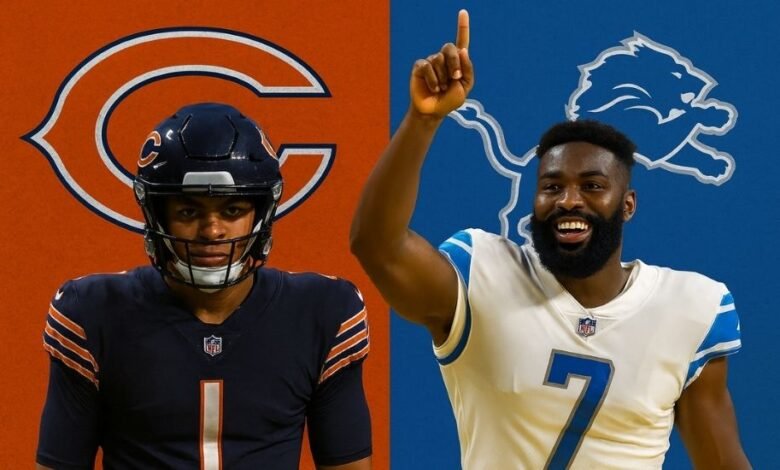
The Chicago Bears and Detroit Lions share one of the longest-standing rivalries in the National Football League, dating back to 1930 when the Lions were still known as the Portsmouth Spartans. Over nearly a century of competition, this rivalry has produced unforgettable games, iconic performances, and statistical battles that continue to fuel debates among fans and analysts. Every time these teams meet, one thing is certain—player statistics tell the true story behind the rivalry’s intensity.
This article offers a comprehensive breakdown of Chicago Bears vs Detroit Lions match player stats, focusing on key performers, game-changing moments, and the statistical narratives that shaped recent matchups. Whether you are a fan looking to relive the latest showdown or a writer gathering research material, this detailed analysis brings clarity to every aspect of the battle between these NFC North adversaries.
A Historic Rivalry Defined by Player Performances
Few NFL rivalries are as statistically rich as Bears vs Lions. Across thousands of snaps, hundreds of touchdowns, and countless standout moments, star players on both sides have shaped the competitive identity of these franchises. From Hall of Fame talent such as Barry Sanders, Gale Sayers, and Walter Payton, to modern playmakers like Amon-Ra St. Brown, Jared Goff, and Caleb Williams, match statistics have always been at the center of the rivalry story.
While historical stats paint a long-term picture, the modern era—especially the 2023 to 2025 seasons—shows dramatic shifts in offensive strategy, defensive strength, and individual dominance. Statistical performance in these games provides valuable insight into how each team prepared, adjusted, and responded on the field.
Recent Match Overview: A Statistical Breakdown
Among the recent showdowns between the two teams, the 2025 Week 2 match stands out as one of the most statistically significant. Detroit overwhelmed Chicago with a final score of 52–21, showcasing some of the most explosive offensive numbers seen in this rivalry.
Here’s a deep dive into the key match player stats that defined that game:
Detroit Lions: Offensive Firepower and Statistical Dominance
1. Jared Goff: The Architect of Detroit’s Offensive Explosion
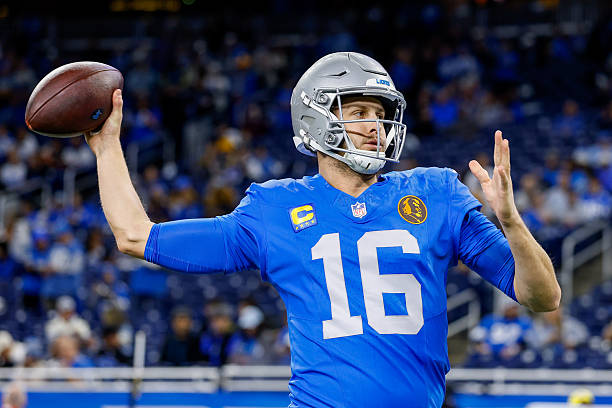
Detroit quarterback Jared Goff delivered a near-perfect performance, completing 23 of 28 passes for 334 yards and throwing five touchdowns, one of the best statistical outputs of his career. His near-flawless passer rating was a testament to his accuracy, decision-making, and command of the game.
Goff’s ability to spread the ball and stretch the field forced Chicago’s defense into constant mismatches. His five-touchdown outing also placed him into rare company among Lions quarterbacks, marking one of the most efficient and dominant performances in the franchise’s modern history.
2. Amon-Ra St. Brown: A Receiving Clinic
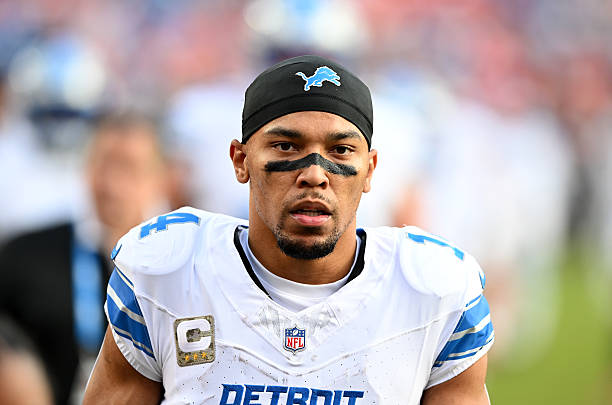
Star receiver Amon-Ra St. Brown continued to solidify himself as one of the league’s elite wideouts with a spectacular stat line:
- 9 receptions
- 115 receiving yards
- 3 touchdowns
St. Brown’s route-running and ability to find space in the Bears’ coverage schemes made him Goff’s most reliable weapon. His three touchdowns turned the game into a highlight reel and illustrated why he is considered the heartbeat of Detroit’s passing attack.
3. The Running Game: Balance and Efficiency
While Detroit leaned heavily on the passing game, the rushing attack—led by Jahmyr Gibbs—played a crucial role in keeping the Bears’ defense off balance. Gibbs contributed significantly on the ground, consistently moving the chains and allowing Detroit to maintain offensive tempo.
The Lions finished the game with:
- Over 500 total yards of offense
- 5 passing TDs
- 2 rushing TDs
This combination marked the first time in franchise history that Detroit posted this specific mix of offensive achievements in a single game. Such statistical milestones underscore how explosive and efficient the Lions were that afternoon.
4. Defensive Contributions: Silent but Effective
While the offense grabbed headlines, Detroit’s defense created pressure, forced mistakes, and allowed the offense to control possession. Notable defensive contributions included:
- Multiple tackles for loss
- A forced fumble
- Pass breakups
- Consistent quarterback pressure
One linebacker in particular delivered a standout all-around performance before leaving due to injury—recording multiple big plays that altered Chicago’s offensive rhythm.
Chicago Bears: Signs of Promise Amid the Struggles
Despite the lopsided loss, the Bears showcased several individual performances worth highlighting. While Detroit controlled most of the game, Chicago’s young roster produced flashes of potential, especially through the emerging connection between Caleb Williams and Rome Odunze.
1. Caleb Williams: Learning Through Adversity
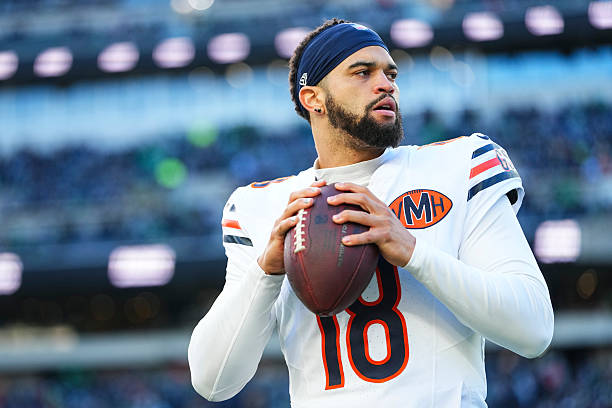
Rookie quarterback Caleb Williams displayed both promise and growing pains in this matchup. While he struggled against Detroit’s pressure, he still managed to deliver two touchdown passes—both to wide receiver Rome Odunze.
Williams’ stat contributions included:
- Multiple strong intermediate throws
- Two touchdown completions
- A handful of impressive escapes from pressure
Although the Bears’ offensive output was limited, Williams’ poise and accuracy in certain sequences showed glimpses of the franchise quarterback Chicago believes he can become.
2. Rome Odunze: Star Rookie Receiver Stands Out
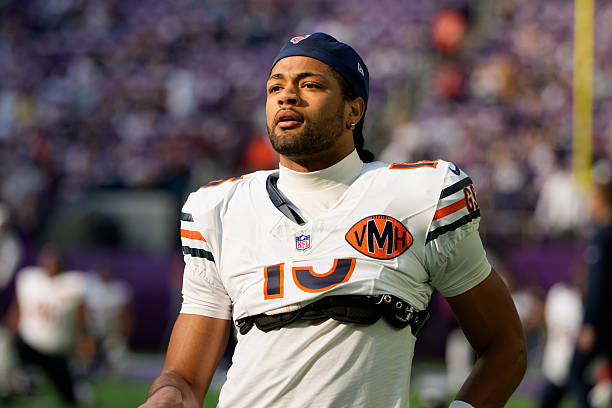
Odunze was one of the brightest spots for the Bears, catching:
- 2 touchdown passes
- Including a 28-yard strike and a tight-window 6-yard grab
His size, athleticism, and hands allowed him to find success even against Detroit’s aggressive secondary. Odunze’s performance provided hope for Bears fans looking for long-term offensive improvement.
3. D’Andre Swift: Ground and Return Game Contributor
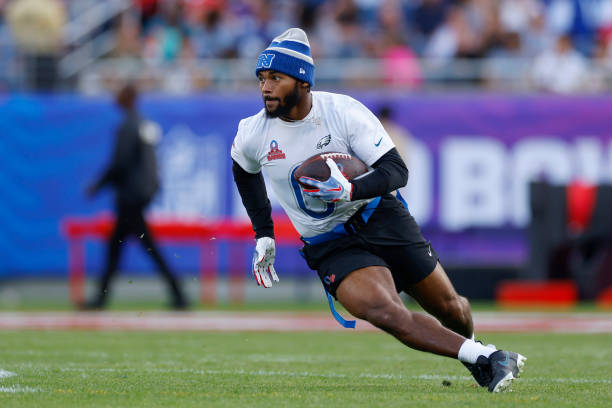
Running back D’Andre Swift handled:
- 12 carries
- 63 rushing yards
Swift’s ability to navigate through Detroit’s front line gave Chicago some much-needed offensive balance early in the game. Additionally, his contributions in the kickoff return game helped the Bears gain strong field position multiple times.
4. Special Teams: A Surprising Statistical Highlight
The Bears’ special teams unit was statistically one of the best-performing groups in the game.
Two kickoff returners combined for:
- 215 total return yards
- One with 118 yards
- Another with 97 yards
These returns offered Chicago rare field-position advantages, although the offensive unit struggled to convert those opportunities into meaningful drives.
A Tale of Two Halves: How Statistics Shaped the Game
The first half of the matchup remained relatively competitive, with both teams trading early scores. However, statistical momentum shifted heavily in Detroit’s favor as the game progressed. The Lions produced 28 first-half points, setting a tone that the Bears were unable to match.
Detroit’s ability to generate explosive plays—especially long receptions and quick scoring drives—contrasted sharply with Chicago’s more methodical approach. As a result, the Lions’ offensive efficiency widened the scoring gap rapidly in the third quarter.
In contrast, Chicago’s stats reflected:
- Shorter drives
- Lower passing efficiency
- Inconsistent run production
- Limited defensive stops
Ultimately, the numbers illustrated exactly why the game turned into a blowout despite the Bears showing potential in isolated moments.
Key Statistical Themes From the Match
1. Explosive Passing vs Developing Quarterback Play
Detroit’s passing game was polished and dominant, while Chicago’s was inconsistent but showed foundational progress under Caleb Williams.
2. Offensive Balance vs Offensive Fragmentation
The Lions extended drives with both run and pass options, while the Bears’ offense often stalled after a few plays.
3. Defensive Pressure vs Defensive Fatigue
Detroit applied consistent pressure, while Chicago’s defense—on the field for long stretches—could not keep pace.
4. Special Teams Edge to Chicago
Interestingly, the Bears held a statistical advantage in kickoff returns and field positioning, though it did not translate into scoring consistency.
Why Player Stats Matter in the Bears vs Lions Rivalry
Statistics are more than numbers—they tell the story of preparation, execution, game flow, and player development. In the rivalry between the Bears and Lions, match player stats highlight several deeper narratives:
- The Lions’ rise under strong offensive leadership
- The Bears’ rebuilding process centered around young talent
- Differences in roster experience, coaching execution, and scheme efficiency
Every matchup becomes a chapter in the ongoing evolution of both organizations. As Chicago grows with its new quarterback and young stars, while Detroit continues its surge behind a veteran core, future match player stats will paint an evolving picture.
Looking Forward: The Future of the Rivalry
The Bears vs Lions rivalry is poised for an exciting future. With Chicago investing in one of the most promising quarterback-receiver duos in football and Detroit riding a wave of offensive resurgence, statistical battles will only intensify.
Upcoming matchups may showcase:
- Williams’ growth into a top-tier passer
- Odunze’s rise as a premier wide receiver
- St. Brown’s continued dominance
- Goff’s potential pursuit of franchise passing records
- Defensive stars emerging on both sides
The statistics from every meeting will reveal how quickly the Bears are closing the gap—or how firmly the Lions are holding their advantage.
Final Thoughts — A Rivalry Told Through Numbers
The Chicago Bears vs Detroit Lions rivalry remains one of the most dynamic statistical matchups in the NFL. From explosive offensive showings to developing young stars, every game offers layers of insight into player performance and team evolution. The detailed player stats—whether highlighting dominant efforts like Jared Goff’s five-touchdown masterpiece or promising growth moments from Caleb Williams—provide fans and analysts with a deeper understanding of what truly happens on the field.
As the rivalry continues into future seasons, expect the statistics to grow even richer, the performances even more compelling, and the battles even more thrilling. For fans of both teams, these matchups aren’t just games—they’re statistical narratives that define eras, careers, and legacies.
This detailed breakdown is published proudly for readers at Empire Magazines.
FAQs: Chicago Bears vs Detroit Lions Match Player Stats
1. How often do the Chicago Bears and Detroit Lions play each other?
Both teams are in the NFC North division, so they face each other twice every regular season, once in Chicago and once in Detroit.
2. Where can I find official player stats for Bears vs Lions games?
Official and most accurate stats are available on:
- NFL.com
- ESPN.com
- EmpireMagazines.co.uk
- ChicagoBears.com
- DetroitLions.com
These platforms include passing, rushing, receiving, defensive, and special teams statistics.
3. Who are the standout players in recent Bears vs Lions matchups?
Recent matchups have featured strong performances from:
- Jared Goff (Lions, QB)
- Amon-Ra St. Brown (Lions, WR)
- Caleb Williams (Bears, QB)
- Rome Odunze (Bears, WR)
Additionally, Detroit’s running backs and Chicago’s special teams have delivered notable statistical contributions.
4. What kind of stats are usually highlighted in these matchups?
Commonly tracked stats include:
- Passing yards & touchdowns
- Rushing yards
- Receiving yards & receptions
- Turnovers (interceptions, fumbles)
- Tackles, sacks & defensive stops
- Special teams returns
5. Which team historically performs better: Bears or Lions?
Historically, the Chicago Bears have led the rivalry in total wins.
However, in the recent seasons, the Detroit Lions have shown significant improvement and have dominated several recent games.
6. What was special about the 2025 Bears vs Lions matchup?
The Lions won 52–21, powered by:
- Jared Goff’s 5 passing TDs
- Amon-Ra St. Brown’s 3 TDs
- Over 500 yards of total offense
This game was one of Detroit’s most explosive statistical performances in franchise history.
7. Can I use Bears vs Lions player stats for fantasy football decisions?
Yes! These stats are extremely helpful.
Key fantasy insights include:
- Lions’ receivers and QB are consistent performers
- Bears’ rookies (Caleb Williams & Rome Odunze) show long-term value
- Matchup history can help predict scoring trends
8. Do special teams usually have big performances in this rivalry?
Surprisingly, yes.
The Bears often record strong kickoff return yards, which sometimes surpass their offensive yardage in challenging games.
9. Where can I find detailed breakdowns for writing articles or blogs?
You can use:
- ESPN game recaps
- NFL play-by-play logs
- Team official stat sheets
- Analytical blogs (Pride of Detroit, Empire Magazines, etc.)
10. Are the player stats from rivalry games useful for predicting future matchups?
Partially. Rivalry games are often unpredictable but:
- Offensive trends
- QB performance patterns
- Defensive weaknesses
…usually repeat across seasons.