Introduction to Žižole: The Ancient Fruit Rediscovered
Žižole — a name that may sound unfamiliar to many readers today — refers to the fruit of the tree Ziziphus jujuba, known widely in global contexts as jujube, Chinese date, or red date. This fruit, small in size but rich in history, has been cultivated and consumed by human societies for thousands of years, predating many of the fruits that dominate modern agricultural markets. The significance of žižole lies not only in its distinct flavor profile, which bridges the sensory worlds of apples and dates, but also in its enduring cultural resonance across continents, from Asia to the Mediterranean basin. As interest in heritage foods, nutrient‑dense fruits, and plant‑based wellness continues to rise, žižole has reemerged as a subject of interest among chefs, botanists, nutritionists, and cultural historians alike, prompting a renewed examination of the fruit’s botanical identity, nutritional value, traditional uses, and potential relevance to contemporary diets and lifestyles. Through a combination of ancient texts, ethnobotanical knowledge, and emerging scientific literature, this exploration sheds light on how a fruit once integral to seasonal harvests, medicinal traditions, and folklore is being reframed in the modern era as both a culinary ingredient and a functional food source that merits greater recognition and appreciation in global food discourse.
Botanical Identity and Natural History of Žižole
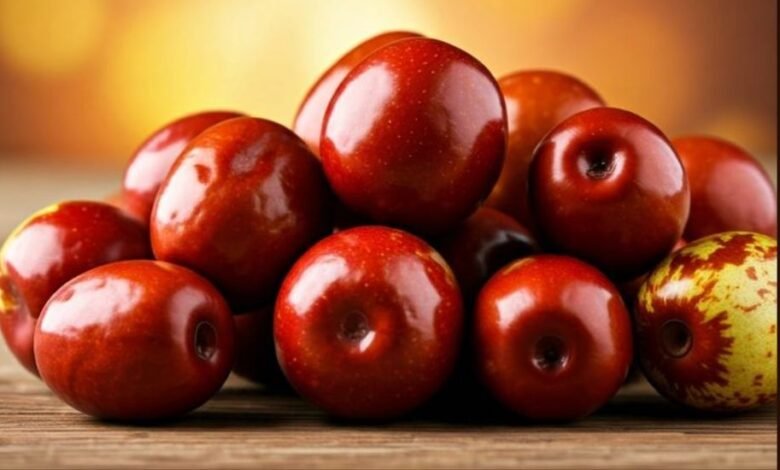
Žižole is botanically classified as Ziziphus jujuba, a deciduous shrub or small tree belonging to the buckthorn family, Rhamnaceae. The species is characterized by its thorny branches, glossy green leaves with conspicuous basal veins, and small, inconspicuous flowers that precede the development of its edible fruit. Native to regions of southwest Asia — stretching from parts of China and Korea through to India and the Mediterranean — this plant has demonstrated remarkable ecological adaptability, thriving in temperate, subtropical, and even semi‑arid climates, making it an enduring presence in both cultivated orchards and wild landscapes. The fruit itself is an oval drupe that, when immature, presents a green exterior with a crisp texture reminiscent of an apple, and as it matures, deepens in color to shades of reddish‑brown or purplish black before eventually developing a wrinkled exterior more akin to a date. Within the center of each fruit sits a single hard kernel, similar in form to that of an olive pit, enclosing seed material that has also been used in traditional medicine systems. This capacity to exhibit two distinct sensory experiences — firm and tart when fresh, tender and sweet when dried — has contributed to its varied culinary applications and its enduring popularity in different cultural contexts. The wide dispersal of žižole through human migration and trade routes over millennia facilitated its integration into diverse culinary and medicinal traditions, underscoring the fruit’s significance beyond its botanical origins.
Traditional and Cultural Significance of Žižole
The cultural footprint of žižole extends as far back as recorded history permits, with the fruit occupying a revered position in the diets, ceremonies, and folklore of multiple civilizations. In ancient China — often credited as the cradle of žižole cultivation — the fruit was esteemed not merely for its sweet and refreshing taste but also for its symbolic associations with longevity, abundance, and vitality, qualities reflected in seasonal celebrations and traditional medicine practices that sought to align human health with natural rhythms. From China, the fruit journeyed along historic trade pathways into Persia, through Mediterranean cultures, and eventually into parts of Europe, where it was adopted into local agricultural systems and woven into the fabric of rural life. In regions such as the Balkans and the Adriatic coast, žižole was traditionally harvested alongside olives and grapes during autumn, its bright fruit a staple in family diets and community gatherings, and its dried form a cherished winter sustenance. Folkloric beliefs further endowed the fruit with protective and auspicious qualities, such that planting žižole trees near homes was thought to invite well‑being and safeguard inhabitants against misfortune. In these cultural milieus, the act of sharing žižole — fresh from the tree or dried for long months — became a gesture of hospitality and goodwill, reinforcing social bonds and intergenerational continuity. The depth of žižole’s cultural resonance is testament to its role not only as a food source but also as a vessel of tradition and meaning, connecting present generations to ancestral practices rooted in the natural world.
Nutritional Composition and Phytochemical Profile
At the intersection of culinary appeal and health potential lies the distinctive nutritional and phytochemical profile of žižole, attributes that have fueled both traditional reverence and contemporary scientific inquiry. Fresh žižole fruit contains a compelling array of macro‑ and micronutrients, including carbohydrates that provide natural energy, dietary fiber that supports digestive health, and a spectrum of vitamins and minerals, particularly vitamin C and potassium, which contribute to immune function and cardiovascular support, respectively. Phytochemical analyses also reveal the presence of phenolic compounds, flavonoids, triterpenic acids, and polysaccharides, classes of bioactive substances linked in laboratory studies to antioxidant, anti‑inflammatory, and metabolic regulatory actions. Due to these compounds, žižole exhibits a rich antioxidant capacity, capable of neutralizing free radicals and mitigating cellular oxidative stress, a biological process implicated in chronic disease progression. Emerging research highlights that specific constituents such as flavonoids and jujubosides may influence neurological pathways, offering neuroprotective effects through mechanisms such as the stimulation of neuronal differentiation and the modulation of neurotrophic factors, which in turn may underlie traditional claims regarding calming and sleep‑enhancing properties. The higher nutrient density associated with dried žižole, which concentrates sugars and phytoconstituents during dehydration, positions the fruit as a potent source of natural sweetness and micronutrients, further expanding its appeal in both nutritional and functional food contexts. While ongoing clinical research is necessary to fully validate and translate these findings into evidence‑based health recommendations, the existing body of nutritional and phytochemical data underscores žižole’s complexity as a food with both sustenance and therapeutic potential.
Culinary Versatility and Contemporary Uses
The culinary versatility of žižole is one of its most compelling attributes, enabling it to traverse the boundary between traditional recipes and modern gastronomy. When consumed fresh, the fruit offers a crisp texture and mildly sweet taste that can be enjoyed raw, added to salads for textural contrast, or blended into smoothies for natural sweetness. As žižole matures and dries, its flavor deepens into a rich, date‑like sweetness with caramel undertones, making it suitable for incorporation into baked goods, energy bars, and desserts that benefit from its complex sweetness without reliance on processed sugars. Across cuisines influenced by Asian and Mediterranean food cultures, dried žižole is commonly steeped in hot water to create herbal infusions or teas, often paired with other botanicals to enhance flavor and promote relaxation. In more experimental kitchens, chefs have begun to explore innovative applications of žižole, integrating it into syrups, compotes, and sauces that complement both sweet and savory dishes, and marrying its distinctive sweetness with spices, grains, and proteins to craft novel flavor profiles that honor its heritage while appealing to contemporary palates. Beyond the kitchen, the adaptability of žižole extends to beverage production, where it can serve as a natural fermentable agent in artisanal wines or an infusion element in wellness tonics that emphasize botanical complexity. This culinary adaptability reflects not only the fruit’s sensory richness but also its capacity to bridge traditional culinary identities with evolving trends in global gastronomy.
Traditional Medicine and Emerging Scientific Inquiry
For millennia, practitioners of traditional Chinese medicine and other Eastern medicinal systems have regarded žižole as more than a source of nutrition, attributing to it a panoply of health‑promoting properties that extend from calming the mind to supporting digestive balance and immune resilience. In classical medicinal texts, the fruit and its seeds were often prescribed to nourish blood, relieve stress, and enhance sleep quality — uses rooted in holistic frameworks that view food and medicine as interconnected. Contemporary scientific inquiry has begun to evaluate these traditional claims through the lens of modern research methodologies, revealing that compounds present in žižole may indeed interact with biological pathways relevant to stress modulation, immune function, and gastrointestinal health. Studies investigating the effects of jujube extracts suggest potential neuroprotective activities, including the protection of neuronal cells against stress‑induced damage, stimulation of factors associated with memory and learning, and modulation of neurotransmitter systems that influence mood and relaxation. Additional research has explored the role of phytochemicals in regulating inflammatory processes, supporting metabolic functions, and influencing hematopoietic mechanisms related to blood cell formation. While many existing studies are preclinical and further research — particularly human clinical trials — is essential to establish definitive therapeutic uses, the convergence of traditional wisdom and scientific exploration points to a multifaceted profile of žižole that extends beyond its nutritional value into domains of functional health and wellness.
Environmental Adaptability and Agricultural Relevance
The resilience and adaptability of the žižole tree (Ziziphus jujuba) have contributed significantly to its agricultural relevance in diverse ecological contexts, from temperate regions with seasonal climates to semi‑arid landscapes where few other fruit‑bearing trees thrive. Its capacity to tolerate drought conditions and poor soil quality has made it a reliable crop for smallholder farmers and sustainable agriculture initiatives focused on climate resilience. This ecological plasticity, coupled with a relatively low requirement for intensive agricultural inputs, positions žižole as a candidate crop for regions aiming to expand food diversity without compromising environmental sustainability. In many parts of the Mediterranean and Asia, the cultivation of žižole persists in both commercial orchards and backyard gardens, where its hardy nature and low maintenance demands appeal to growers seeking robust fruit trees that yield reliably under variable climatic conditions. As global agriculture confronts the challenges of climate change and resource scarcity, the inherent strengths of žižole — including its deep root systems, efficient water use, and broad environmental tolerance — align with broader efforts to identify and promote crops that enhance food security while supporting ecological balance. The continued integration of žižole into diversified farming systems reflects a synergy between traditional agricultural knowledge and contemporary concerns for sustainable food production.
Contemporary Cultural Revival and Future Prospects
In recent years, žižole has experienced a cultural revival as chefs, wellness advocates, and food historians alike rediscover its sensory appeal and historical significance. Documented evidence of the fruit’s presence in ancient diets, seasonal celebrations, and folklore has ignited renewed interest among communities seeking to reconnect with heritage foods and local food traditions, particularly in regions where žižole was historically grown but gradually overshadowed by more mainstream fruits. Chefs and culinary innovators advocate for the inclusion of žižole in menus that emphasize regional identity, sustainable ingredients, and nutrient‑rich components, celebrating its unique flavor profile while honoring its cultural roots. Parallel to the culinary resurgence is a growing dialogue around žižole’s role in functional nutrition, with health‑focused publications and wellness platforms highlighting its phytochemical complexity and potential health associations. This dual momentum — rooted in gastronomic creativity and nutritional exploration — suggests a future in which žižole may transcend its niche status to become a widely recognized fruit with both cultural resonance and practical relevance in diverse food systems. As research continues, and as consumer curiosity about heritage fruits deepens, žižole stands poised to expand its presence in global food culture while preserving the rich legacy that has sustained it through centuries of human cultivation and appreciation.
Conclusion: Embracing Žižole in the Modern World
In the tapestry of global fruit traditions, žižole emerges as a fruit that embodies historical depth, nutritional richness, cultural resonance, and culinary versatility. From its ancient roots in Asia to its spread across the Mediterranean and beyond, this fruit has sustained communities not only as a source of sustenance but as a symbol of longevity, hospitality, and connection to the land. Contemporary interest in žižole reflects a broader desire to reconnect with foods that marry tradition with ecology and flavor with function, inviting us to appreciate not only what we eat but the stories that accompany it. Whether enjoyed fresh from the tree, dried and steeped into teas, or integrated into modern culinary creations, žižole offers a bridge between the ancient and the contemporary — honoring the wisdom of past generations while enriching the diets and food cultures of today. As research illuminates new dimensions of its health potential and as awareness of its cultural significance grows, žižole stands as a testament to the enduring value of heritage foods in an ever‑changing world. For readers seeking to explore foods that marry depth of tradition with breadth of application, žižole offers an invitation to taste, learn, and celebrate a fruit whose journey through time is as rich and varied as its flavor. In presenting this comprehensive exploration of žižole, Empire Magazines underscores its commitment to illuminating the intersection of food, culture, nutrition, and tradition, inviting audiences to rediscover the fruits of history in the context of modern understanding.