Salem, a word that conjures images of ancient whispering streets, Puritanical curses, maritime empires, and tales of human injustice, is one of the most layered and fascinating subjects in history and culture. Its name — derived from the Hebrew word shalom, meaning peace — evokes an almost poetic contrast to the tumultuous chapters it has lived through and inspired around the world.
From the windswept shores of colonial Massachusetts to the bustling urban life of Salem in India and the verdant valleys of Oregon, Salem has become more than a mere place — it is a symbol, a narrative, and a vessel of human memory and imagination.
The Roots: From Peaceful Name to Complex Identity
At the heart of the story, Salem’s name carries a deep linguistic and cultural resonance. The word’s origin in shalom reflects peace, harmony, and wholeness — a profound irony considering some of the darkest moments associated with it in world history. Over centuries, this name traveled with explorers, settlers, and missionaries, planting seeds in far-flung lands that would grow into distinct yet connected communities known as Salem.
Today, “Salem” represents both a calm peace and a turbulent past — a duality that resonates in art, literature, tourism, and collective memory. As such, the term serves as a gateway into deeper themes of human conflict, cultural exchange, and the enduring power of history.
Salem, Massachusetts: A Tapestry Woven with History
Perhaps no place embodies the paradox of Salem more vividly than Salem, Massachusetts — the city often simply known as Salem. Settled in 1626 by colonial English families, its origins trace back to a fishing outpost known as Naumkeag. The community quickly evolved into a prosperous seaport, a vital naval and trading hub that would one day help forge the foundations of a new nation’s maritime dominance.
In the 18th century, Salem’s shipping industry linked the young American colonies with markets across the globe — from Africa and China to Europe and the Caribbean. At its height, it was among the wealthiest cities per capita in the nation, home to titans of trade like Elias Hasket Derby and architectural marvels that still adorn its historic districts.
Amid these proud achievements, Salem also became the birthplace of literary genius Nathaniel Hawthorne, whose works captured both the city’s beauty and its deeper moral quandaries.
The Witch Trials: A Legacy of Fear and Reflection
Arguably, the most infamous chapter in Salem’s history came in 1692. The Salem Witch Trials were a brutal series of accusations, investigations, and guilty verdicts that led to the execution of innocent people under the guise of combating witchcraft. At its core, the tragedy illustrates how fear, superstition, and social divides can unravel the fabric of a community.
Although the hysteria lasted just about a year, its effects were profound — 19 individuals were formally executed, scores more were imprisoned, and a once-thriving settlement became synonymous with injustice. Scholars, historians, and storytellers have since examined this episode not merely as a cautionary tale about superstition, but as a mirror reflecting the dangers of intolerance, scapegoating, and the human capacity for cruelty.
Today, visitors to Salem find memorials, museums, and historical sites dedicated to preserving the memory of the trials and their victims. Institutions like the Salem Witch Museum present the narrative respectfully and thoughtfully, reminding us why vigilance against hysteria and unfounded accusation remains relevant.
More Than Witches: Salem’s Rich Cultural Landscape
Though the witch trials dominate many narratives, Salem’s culture cannot be reduced to a single moment. Its historic downtown is a living museum of colonial architecture, museums, galleries, and preserved homes that echo centuries of human lives — from prosperous traders to humble artisans.
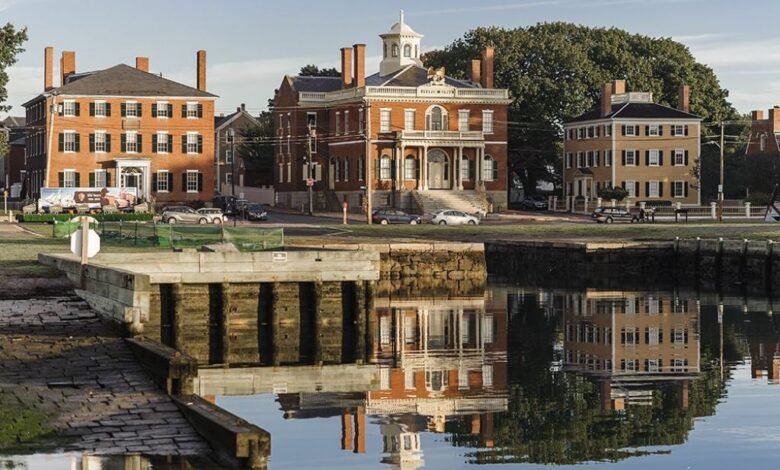
Salem’s maritime legacy is on proud display at the Salem Maritime National Historic Site, where restored wharves and waterfront buildings transport visitors to the age of sail and adventure.
Literary pilgrims find resonance in places like the House of the Seven Gables, immortalized by Hawthorne, while cultural events such as Salem Heritage Days and “Haunted Happenings” blend history with community celebration.
But perhaps most compelling is the way Salem has embraced its complex identity: a place where remembrance coexists with renewal, where the shadows of the past inform rather than dominate the present.
Salem Across the Globe: Shared Names, Unique Stories
Salem’s imprint extends far beyond the United States. In southern India, Salem, Tamil Nadu stands as a dynamic urban center with its own distinct history rooted in trade, culture, and regional identity. Here, Salem grows not from Colonial roots but from centuries of South Indian social and economic evolution, weaving namesake yet divergent traditions into the global tapestry.
Similarly, places like Salem, Oregon borrow the spirit of the name — peace, welcome, history — while forging their own path. Called into being in the mid-19th century, Salem, Oregon became a political center and home to communities tied by agriculture, governance, and Midwestern spirit.
Even Salem, New Hampshire carries the Salem brand into a New England town shaped by both local growth and colonial legacies.
Whether in North America, Asia, or elsewhere, Salem as a name carries with it echoes of peace, trial, triumph, and transformation — a microcosm of human experience in different climates and cultures.
Salem in Modern Memory and Media
Over time, Salem has taken on a life almost mythic in popular imagination. From stage and screen adaptations like The Crucible to Halloween celebrations and paranormal tourism, Salem’s story continues to evolve. Literary and cinematic works keep generating interest that traces back not to phantoms or faux sorcery, but to human curiosity about justice, fear, and society’s most vulnerable moments.
In recent decades, Salem has also nurtured communities who embrace spirituality, history, and identity in ways both respectful and reflective. Rather than reducing Salem to a tourist spectacle, many activists and historians work to preserve its depth, teaching lessons that transcend borders and eras.
Conclusion: Salem as Story and Symbol
Salem stands as an emblem of human contradiction — a name meaning peace that witnessed fear, a city known for sorrow that later celebrated culture, and a global legacy that embraces multiplicity over monolithic narrative. Whether you walk its historic streets, explore its museums, or learn its story from afar, Salem teaches us that places are more than coordinates on a map — they are living stories we continue to write.
At the heart of these narratives, whether in historical footsteps or modern interpretations, Salem remains an enduring testament to the resilience of people and the power of remembering. This article was brought to you by Empire Magazines, where every story connects the past with the present in vivid detail.