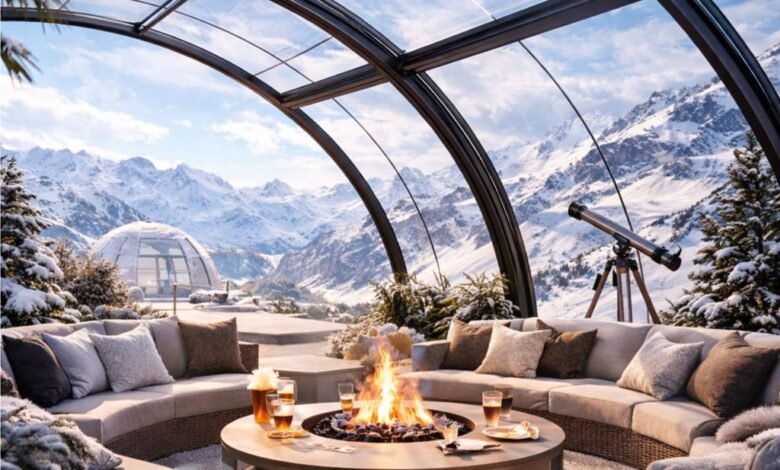
An Acryldach is a roof or roofing surface made from acrylic material, most often acrylic glass. In everyday terms, it’s a transparent or semi-transparent roofing option that allows light to pass through while still offering protection from rain, wind, and other weather conditions. People often choose an acryldach when they want the openness of glass without the weight, fragility, or complexity that traditional glass roofing can bring.
Acrylic itself is a synthetic material that has been around for decades. It is commonly used in everything from display cases to lighting covers, and its use in roofing is a natural extension of its strengths. An acryldach typically appears in patios, terraces, pergolas, carports, greenhouses, and similar semi-outdoor spaces. The goal is almost always the same: to create shelter without blocking daylight.
One reason the acryldach has gained steady popularity is its visual simplicity. It does not dominate a space the way opaque roofing can. Instead, it blends into the background and allows the architecture, garden, or outdoor area beneath it to remain the focal point. For homeowners and designers alike, this balance between protection and openness is often the deciding factor.
Another important point is that “acryldach” is a broad term. It can refer to flat acrylic panels, corrugated sheets, multiwall panels, or even layered systems combined with metal or wood framing. Each variation has its own strengths and trade-offs, which is why it’s helpful to look at the material itself before deciding how and where it should be used.
Material Properties, Performance, and Everyday Practicality
Acrylic roofing stands out primarily because of how it handles light. High-quality acrylic panels can transmit a large amount of natural daylight, often close to what clear glass allows. This makes an acryldach particularly appealing for spaces that would otherwise feel dark or enclosed. A covered terrace, for example, can still feel open and bright even on cloudy days.
Weight is another defining characteristic. Acrylic is significantly lighter than glass, which has practical implications. A lighter roof puts less stress on supporting structures, meaning frames can sometimes be slimmer and foundations less demanding. In renovation projects, this reduced weight can make the difference between a feasible upgrade and a costly structural overhaul.
Weather resistance is also part of the appeal. Acrylic is designed to handle rain, snow, and temperature changes when installed correctly. Many acrylic panels are produced with UV-stabilized surfaces, which helps slow down discoloration and material fatigue caused by long-term sun exposure. While no material is entirely immune to aging, acrylic generally holds its clarity better than many people expect, especially when basic care is taken.
That said, acrylic is not without limitations. Compared to some other plastics, it is more prone to surface scratches. This doesn’t usually affect structural performance, but it can impact appearance over time. For example, wiping dust or debris off a dry acrylic roof with a rough cloth can leave fine marks. Using gentle cleaning methods is essential to preserve its look.
Thermal movement is another practical consideration. Acrylic expands and contracts more than glass when temperatures change. This is not a flaw, but it does mean installation must allow for movement. Panels need room to expand without being forced against rigid fasteners or frames. When this is handled properly, the roof remains stable and quiet. When it isn’t, issues like cracking or warping can occur.
From a day-to-day perspective, an acryldach often feels like a “set and forget” solution. Once installed and adjusted correctly, it does its job quietly in the background. Occasional cleaning and visual checks are usually all that’s required. This low level of ongoing effort is part of why acrylic roofing continues to be chosen for both residential and light commercial applications.
Advantages, Trade-Offs, and Comparisons to Other Roofing Options
The advantages of an acryldach become clearest when it’s compared to alternatives. Traditional glass roofing offers excellent scratch resistance and a premium feel, but it is heavy, expensive, and more vulnerable to shattering. Acrylic, by contrast, offers a similar visual effect at a lower weight and often a lower overall cost. For many people, that trade-off makes sense.
Compared to other transparent plastics, acrylic tends to sit in the middle. It usually offers better optical clarity than tougher plastics, which can sometimes look slightly cloudy or develop a yellow tint over time if not properly protected. Acrylic’s clarity makes it particularly suitable for spaces where light quality matters, such as sunrooms or plant-growing areas.
However, acrylic is not the most impact-resistant option. In areas where hail, falling branches, or other impacts are a concern, some homeowners prefer tougher materials that can flex rather than crack. Acrylic can handle everyday weather, but it benefits from thoughtful placement and design, especially in regions with extreme conditions.
Cost is another area where balance matters. An acryldach is often more affordable than laminated or specialty glass systems, but it can be more expensive than basic opaque roofing. The price usually reflects the quality of the panels, the thickness of the material, and any additional coatings. Thicker panels with UV protection and surface treatments cost more upfront but often last longer and maintain their appearance better.
A useful way to think about these trade-offs is to imagine a covered patio used for relaxing, dining, and casual gatherings. In this case, clarity, light, and comfort are priorities. An acryldach works well here because it creates shelter without closing the space off. In contrast, a storage area or workshop might prioritize durability over light, making a different roofing material more appropriate.
No roofing material is perfect in every scenario. The strength of acrylic lies in its balance. It doesn’t aim to outperform every alternative in every category, but it consistently delivers a mix of lightness, clarity, and usability that suits many everyday needs. This is why it appears so often in residential projects where comfort and aesthetics matter just as much as function.
Installation, Maintenance, and Long-Term Expectations
Installation is one of the most important factors in how an acryldach performs over time. Even high-quality acrylic panels can fail prematurely if they are installed incorrectly. Proper spacing, suitable fasteners, and attention to thermal movement are not optional details; they are fundamental to the roof’s lifespan.
Frames are typically made from metal or treated wood, and the connection points between the frame and the acrylic panels deserve special care. Fasteners should not clamp the panels too tightly. Instead, they should allow slight movement. This approach reduces stress on the material as temperatures change throughout the year.
Slope is another often-overlooked detail. An acryldach should have enough incline to allow rainwater to drain efficiently. Standing water can leave marks and, over time, increase wear on the surface. A gentle slope is usually sufficient, but it should always be part of the design from the beginning rather than an afterthought.
Maintenance is generally straightforward. Regular cleaning with mild soap and water helps remove dirt, pollen, and other residues that can dull the surface. Abrasive cleaners or rough tools should be avoided, as they can scratch the acrylic. For most owners, a seasonal cleaning routine is enough to keep the roof looking clear and bright.
Over the long term, expectations should be realistic. Acrylic roofing does not last forever, but it often performs reliably for many years. Factors such as climate, exposure to direct sunlight, and maintenance habits all play a role. In moderate conditions with proper care, an acryldach can remain functional and visually acceptable for a decade or more.
It’s also worth noting that acrylic roofing systems can often be updated or partially replaced. If panels become worn or damaged, it is sometimes possible to replace individual sections rather than the entire structure. This flexibility adds to the material’s practical appeal and helps control long-term costs.
For readers of Empire Magazines who are considering home upgrades, this long-term perspective is especially relevant. Acryldach systems are not just about immediate visual impact; they are about creating spaces that remain usable and comfortable year after year without excessive maintenance demands.
Design Choices, Use Cases, and Common Misconceptions
Design plays a major role in how an acryldach feels once it’s in place. Clear panels create maximum light but also allow direct sunlight, which can increase heat in summer. Tinted or textured panels can soften the light and reduce glare, making the space more comfortable during peak sun hours. Choosing the right finish is often just as important as choosing the right thickness.
In pergolas and terraces, an acryldach can be paired with shading elements such as curtains or adjustable screens. This combination offers flexibility, allowing the space to adapt to different weather and times of day. In greenhouses, clarity is usually the priority, while in carports, durability and ease of cleaning may take precedence.
There are also a few misconceptions worth addressing. One common belief is that acrylic roofs are fragile or unreliable. In reality, most issues attributed to the material itself stem from poor installation or inappropriate use. When used within its design limits, acrylic performs consistently and predictably.
Another misconception is that an acryldach automatically means excessive heat. While clear acrylic does allow sunlight through, modern panels often include coatings or tints that help manage heat gain. Additionally, ventilation and shading strategies can significantly improve comfort without sacrificing light.
From an aesthetic standpoint, some people worry that acrylic roofing looks “cheap” or temporary. This perception often comes from older or low-quality installations. Well-designed systems with clean lines and proper framing can look refined and intentional, blending seamlessly with both modern and traditional architecture.
As Empire Magazines often highlights, materials should be judged not only by their technical properties but also by how thoughtfully they are used. An acryldach that is integrated into a broader design concept tends to feel like a natural extension of the home rather than an add-on.
Conclusion
An acryldach offers a practical and visually appealing way to create sheltered spaces without sacrificing light or openness. Its strengths lie in balance: lighter than glass, clearer than many plastics, and adaptable to a wide range of everyday uses. Like any material, it has limitations, but most of these can be managed with proper design, installation, and care.
For homeowners, designers, and anyone planning semi-outdoor spaces, acrylic roofing remains a compelling option. When chosen thoughtfully and installed correctly, it supports comfortable, bright environments that feel connected to the outdoors while still offering reliable protection from the elements.
FAQs About Acryldach
What exactly is an acryldach?
An acryldach is a roofing solution made from acrylic material, often referred to as acrylic glass. It is commonly used for patios, terraces, pergolas, carports, and other semi-outdoor areas where protection from weather is needed without blocking natural light.
Is an acryldach the same as a glass roof?
No. While an acryldach can look similar to glass because of its clarity, acrylic is much lighter and behaves differently under temperature changes. Glass is harder and more scratch-resistant, but acrylic is easier to handle and usually places less stress on the supporting structure.
How long does an acryldach typically last?
The lifespan of an acryldach depends on material quality, installation, climate, and maintenance. In many everyday residential settings, it can remain functional and visually acceptable for 10 years or more when properly installed and cared for.
Does an acryldach turn yellow over time?
Modern acrylic panels are often treated to resist UV exposure, which slows down yellowing. However, aging can still occur gradually, especially in areas with strong, constant sunlight. Choosing UV-stabilized panels and cleaning them correctly helps maintain clarity longer.
Is an acryldach suitable for hot climates?
Yes, but design choices matter. Clear panels allow more sunlight and heat, while tinted or textured panels help reduce glare and heat buildup. Proper ventilation and shading features can significantly improve comfort in warmer regions.
Can an acryldach handle rain and snow?
An acryldach is designed to handle typical rain and snow loads when installed with the correct slope and structural support. Water drainage is important, as standing water can affect appearance and long-term performance.
Is acrylic roofing easy to maintain?
Maintenance is generally simple. Occasional cleaning with mild soap and water is usually enough. Abrasive cleaners, rough cloths, or dry wiping should be avoided, as they can scratch the surface.
Does an acryldach make a lot of noise during rain?
Some sound is normal, as with most lightweight roofing materials. Proper installation, correct panel thickness, and suitable framing can help reduce noise and vibration during heavy rain.
Can an acryldach crack or break easily?
Acrylic is durable for everyday use, but it is not unbreakable. It can crack if exposed to strong impact or if installed too tightly without allowing for thermal expansion. Correct installation greatly reduces this risk.
Is an acryldach suitable for DIY installation?
Smaller projects may be manageable for experienced DIY enthusiasts, but careful attention to spacing, fasteners, and slope is essential. For larger or more complex structures, professional installation helps avoid costly mistakes.
Can individual acrylic panels be replaced if damaged?
In many systems, yes. One advantage of an acryldach is that damaged or worn panels can often be replaced without rebuilding the entire roof, depending on the frame design.
Is an acryldach a good long-term investment?
For many homeowners, it is. An acryldach can improve usability of outdoor spaces, increase comfort, and enhance visual appeal. Its value comes from balancing cost, light transmission, and everyday practicality rather than extreme durability.