Language is far more than a tool for sharing information. It is a playground where imagination meets intelligence, allowing people to express ideas in surprising, memorable, and entertaining ways. A simple sentence can make someone laugh, inspire deep thought, or reveal two meanings at once when crafted with creativity. This fascinating ability to manipulate sounds, meanings, and structures is known as playing with words, often referred to as wordplay. From classic literature and clever advertising campaigns to internet memes and casual conversations, wordplay has become an essential part of human communication that continues to evolve with every generation.
The beauty of playing with words lies in its versatility. It can make speeches more engaging, stories more memorable, jokes funnier, and conversations more enjoyable. It is a skill that crosses cultures and languages, proving that creativity is deeply connected to communication. Whether you are a student, writer, marketer, teacher, or simply someone who enjoys language, understanding wordplay can improve the way you think, write, and connect with others.
What Does “Play with Words” Mean?
Playing with words refers to the creative use of language to produce humor, emphasize a message, create multiple meanings, or make communication more engaging. It involves manipulating words through their meanings, sounds, spellings, or grammatical structures to achieve a particular effect. Unlike ordinary language, wordplay encourages readers or listeners to think beyond the obvious interpretation and appreciate the hidden layers of meaning.
Wordplay often depends on the flexibility of language. Many words have multiple meanings, while others sound identical despite having different spellings or definitions. Creative speakers and writers take advantage of these characteristics to craft clever expressions that surprise or entertain their audience. Sometimes the goal is humor, while other times it is persuasion, storytelling, or artistic expression.
Throughout history, societies have admired individuals who could skillfully play with words. Poets, playwrights, comedians, and public speakers have all used wordplay to make their work stand out. Even today, social media has expanded the reach of wordplay by allowing clever phrases and witty jokes to spread rapidly across the internet.
The History of Wordplay
Wordplay is nearly as old as language itself. Ancient civilizations appreciated linguistic creativity long before modern dictionaries existed. Historical records show that the Egyptians, Greeks, Romans, Chinese, and Indians all enjoyed forms of verbal wit and language games.
One of the greatest masters of wordplay was William Shakespeare. His plays contain hundreds of puns, double meanings, and clever expressions that continue to fascinate readers centuries later. Shakespeare understood that playful language could entertain audiences while also revealing deeper truths about his characters.
Lewis Carroll also elevated wordplay through his famous novel Alice’s Adventures in Wonderland. The book is filled with riddles, invented words, playful logic, and humorous conversations that challenge conventional thinking. Carroll demonstrated that language itself could become part of the story rather than merely serving as a storytelling tool.
Modern authors, comedians, lyricists, and screenwriters continue this tradition by finding new ways to manipulate language. Although the methods have evolved, the basic human enjoyment of clever language remains unchanged.
Why People Love Playing with Words
The human brain naturally enjoys solving puzzles and recognizing patterns. Wordplay stimulates this process by presenting familiar words in unexpected ways. When people understand a clever pun or recognize a hidden meaning, they experience a small moment of satisfaction that often leads to laughter or admiration.
Playing with words also makes communication more memorable. A clever phrase stays in the mind much longer than an ordinary sentence because it engages multiple mental processes at once. Readers must interpret both the literal meaning and the intended hidden meaning, making the experience more rewarding.
Creativity is another major reason why wordplay remains popular. It allows individuals to express personality, intelligence, and originality through language. Instead of repeating common expressions, people can invent fresh ways of communicating ideas that leave lasting impressions.
Different Types of Wordplay
Wordplay appears in many different forms, each using language in a unique way. Understanding these types helps readers appreciate how flexible and expressive language can become.
Puns are perhaps the most recognizable form of wordplay. They rely on words that sound alike or have multiple meanings. A classic example is, “Time flies like an arrow; fruit flies like a banana.” The humor comes from interpreting the same words differently.
Homophones are words that sound identical but have different meanings or spellings. Writers often use them to create humorous misunderstandings or clever jokes. Words like “flower” and “flour” or “sea” and “see” provide endless opportunities for creative expression.
Homonyms are words that share both pronunciation and spelling while carrying different meanings. For instance, the word “bank” can describe a financial institution or the side of a river. Skilled writers use these multiple meanings to produce surprising effects.
Double entendres involve expressions with two interpretations, one usually straightforward and the other humorous or suggestive. This form of wordplay requires careful wording and is commonly found in literature, theater, and comedy.
Anagrams rearrange the letters of one word or phrase to create another. This type of linguistic puzzle has entertained language lovers for centuries and often appears in games and mysteries.
Palindromes are words or sentences that read the same forward and backward. Examples like “madam” or “racecar” demonstrate the fascinating symmetry possible within language.
Portmanteau words combine parts of two existing words to create a new one. Familiar examples include “brunch,” formed from breakfast and lunch, and “smog,” created from smoke and fog. These blended words often become permanent additions to the language.
Spoonerisms involve accidentally or intentionally switching the first sounds of words, producing humorous results. These playful mistakes have become a recognized category of verbal humor.
Wordplay in Literature
Literature offers countless examples of authors using wordplay to enrich their writing. Rather than simply decorating language, wordplay often contributes to character development, themes, and emotional impact.
Shakespeare frequently used puns to reveal hidden emotions, create comic relief, or add complexity to dramatic scenes. His audiences appreciated both the surface humor and the deeper meanings hidden within his dialogue.
Lewis Carroll transformed wordplay into a central feature of storytelling. His imaginative language encouraged readers to question logic and embrace creativity, making his works timeless classics.
Oscar Wilde became famous for his witty dialogue filled with paradoxes and clever observations. His plays demonstrate how wordplay can expose social hypocrisy while entertaining audiences.
James Joyce pushed linguistic creativity even further by experimenting with language itself. His novels challenged traditional grammar and vocabulary, proving that words could become artistic material rather than simple communication tools.
Modern authors continue using these techniques in novels, children’s books, fantasy literature, and poetry, showing that wordplay remains an important literary device.
Wordplay in Advertising and Branding
Businesses understand that memorable language helps products stand out in competitive markets. Advertising frequently relies on wordplay because people are more likely to remember clever slogans than ordinary statements.
Successful marketing campaigns often use rhymes, puns, alliteration, and double meanings to capture attention. These techniques make advertisements more enjoyable while strengthening brand recognition.
Creative slogans can transform simple products into memorable experiences. Consumers often remember a witty tagline long after forgetting the details of an advertisement. This explains why many of the world’s most successful brands invest heavily in creative copywriting.
Digital marketing has expanded the importance of wordplay even further. Social media rewards short, engaging content that captures attention quickly, making clever language a valuable marketing asset.
Wordplay in Everyday Conversation
Playing with words is not limited to professional writers or comedians. Ordinary people use wordplay every day without realizing it. Friends exchange puns during conversations, parents tell playful jokes to children, and coworkers use witty remarks to lighten the mood.
Humorous greetings, birthday cards, internet memes, and text messages frequently contain playful language. Even casual nicknames often involve creative manipulation of words or sounds.
Wordplay also strengthens social relationships. Sharing jokes and clever expressions creates positive interactions and encourages laughter, making conversations more enjoyable. In many cultures, the ability to think quickly and produce witty responses is considered a sign of intelligence and charm.
Educational Benefits of Playing with Words
Wordplay is much more than entertainment. It offers valuable educational benefits that support language development at every age.
Children who engage in word games often develop stronger vocabulary skills because they learn to recognize multiple meanings, pronunciation patterns, and relationships between words. These activities encourage curiosity about language and improve reading comprehension.
Students who study wordplay become better critical thinkers. Understanding puns or double meanings requires careful analysis, helping learners develop stronger reasoning skills. They learn that language is flexible rather than fixed, encouraging more creative approaches to communication.
Creative writing also benefits from wordplay. Writers who understand linguistic techniques can produce more engaging stories, poems, speeches, and essays. Their writing becomes richer because they can choose words not only for their definitions but also for their sounds, emotional impact, and symbolic meanings.
Language learners find wordplay especially valuable because it deepens their understanding of vocabulary and cultural expressions. While puns can initially seem confusing, mastering them often marks an advanced level of language proficiency.
Wordplay in the Digital Age
The internet has created countless new opportunities for playing with words. Social media platforms encourage short, memorable content, making clever language more valuable than ever before.
Memes frequently depend on double meanings, unexpected phrasing, or humorous reinterpretations of common expressions. Viral tweets, captions, and online jokes often succeed because they surprise readers with creative language.
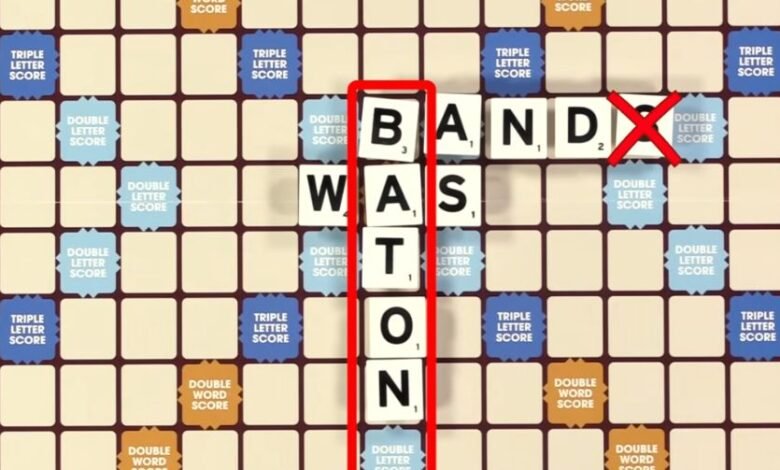
Word-based games such as Wordle, crossword puzzles, Scrabble, and various mobile apps have also increased public interest in vocabulary and language puzzles. Millions of people now exercise their linguistic skills daily through these games.
Artificial intelligence has introduced another dimension to wordplay. AI-powered writing tools can generate puns, jokes, creative slogans, and imaginative stories, although human creativity still remains unmatched when it comes to understanding cultural nuance and emotional context.
How to Improve Your Wordplay Skills
Developing the ability to play with words requires practice rather than natural talent alone. Reading widely exposes you to different writing styles, helping you recognize how experienced authors manipulate language. Poetry, classic literature, comedy, and advertising all provide valuable examples.
Expanding your vocabulary also increases creative possibilities. The more words you know, the easier it becomes to recognize connections between meanings, sounds, and expressions.
Writing regularly encourages experimentation with language. Short stories, poems, captions, or journal entries all provide opportunities to explore creative phrasing without fear of making mistakes.
Listening carefully to comedians, public speakers, and skilled storytellers also reveals how effective wordplay works in spoken language. Observing their timing, delivery, and phrasing can inspire your own communication style.
Most importantly, maintaining curiosity about language encourages lifelong improvement. Every new word, idiom, or expression becomes another tool for creative communication.
Common Mistakes When Using Wordplay
Although wordplay can strengthen communication, excessive or poorly chosen examples may confuse readers instead of entertaining them. The best wordplay feels natural and supports the overall message rather than distracting from it.
Writers should also consider their audience. Puns that rely on specialized knowledge may not be understood by everyone. Cultural differences can further affect how wordplay is interpreted, especially in international communication.
Another common mistake is forcing jokes into serious situations where they may reduce credibility. Effective communication balances creativity with clarity, ensuring that the intended message remains easy to understand.
The Enduring Power of Playing with Words
Language continues to evolve, yet the joy of playing with words remains timeless. Whether found in Shakespearean drama, bestselling novels, classroom activities, advertising campaigns, or social media posts, wordplay demonstrates humanity’s remarkable ability to transform ordinary language into something memorable and meaningful.
Playing with words enriches communication by adding humor, creativity, intelligence, and emotional depth. It challenges people to think differently, appreciate multiple meanings, and discover unexpected connections between ideas. Beyond entertainment, it strengthens vocabulary, improves critical thinking, supports education, and enhances creative writing.
As technology changes the way people communicate, wordplay continues to adapt while preserving its essential purpose: making language more engaging, expressive, and enjoyable. Every clever pun, thoughtful metaphor, or imaginative phrase reminds us that words are more than symbols on a page. They are living tools capable of inspiring laughter, curiosity, reflection, and connection across cultures and generations.
For anyone seeking to become a better communicator, writer, or creative thinker, learning to play with words is one of the most rewarding journeys language has to offer. The possibilities are virtually endless, limited only by imagination, making wordplay an enduring celebration of the creativity hidden within everyday language.