Loroco Pupusa: A Complete Guide to El Salvador’s Traditional Cheese and Loroco Stuffed Corn Flatbread

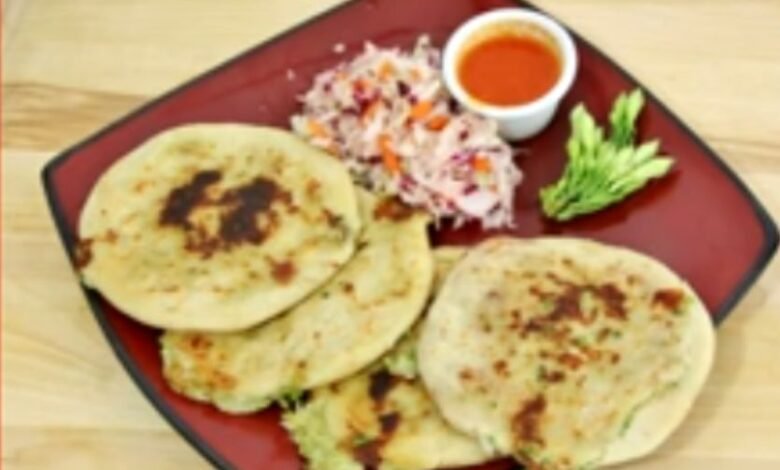
The first bite of a freshly cooked loroco pupusa tells a story that stretches back centuries. Its warm corn exterior gives way to melted cheese blended with the delicate, floral taste of loroco, creating a comforting dish that has become a symbol of Salvadoran identity. While many foods gain popularity through trends, the loroco pupusa has earned its place through generations of tradition, family recipes, and cultural pride. Today, it continues to captivate food lovers around the world who are eager to experience authentic Central American cuisine.
Whether enjoyed from a neighborhood pupusería in El Salvador or prepared at home with carefully selected ingredients, the loroco pupusa represents much more than a simple meal. It reflects history, community, and the enduring value of preserving culinary traditions. As Salvadoran cuisine gains international recognition, this iconic dish has become one of its most celebrated specialties.
What Is a Loroco Pupusa?
A loroco pupusa is a traditional Salvadoran stuffed flatbread made from masa, a dough prepared from corn flour and water. The dough is carefully filled with a mixture of loroco and cheese before being sealed, flattened by hand, and cooked on a hot griddle known as a comal. The result is a soft yet slightly crisp exterior with a rich, cheesy filling enhanced by the distinctive flavor of loroco.
Unlike tortillas, which are generally served as accompaniments, pupusas are complete meals in themselves because the filling is enclosed inside the dough. This unique preparation method makes every bite flavorful and satisfying.
Among the many types of pupusas available, the loroco and cheese combination is one of the most beloved. The mild floral taste of loroco pairs naturally with creamy melted cheese, creating a balanced flavor that is both comforting and memorable. This combination has become a signature representation of Salvadoran cooking and is frequently recommended to first-time visitors exploring the country’s cuisine.
Although many restaurants now offer creative fillings that include vegetables, seafood, or spicy ingredients, traditional loroco pupusas remain a timeless favorite because they preserve the authentic taste that generations have enjoyed.
The Origins of Pupusas
The history of pupusas reaches back long before European settlers arrived in Central America. Archaeological and historical evidence suggests that Indigenous communities living in the region of present-day El Salvador were preparing stuffed corn cakes hundreds of years before colonization.
Corn held extraordinary importance in Mesoamerican civilizations. It was not merely a crop but a central part of daily life, religious traditions, and local economies. Indigenous families developed numerous ways to prepare corn, and one of the most enduring creations became the pupusa.
Early versions of pupusas contained locally available ingredients such as herbs, beans, squash, and edible flowers. As Spanish influence introduced dairy products and domesticated livestock, cheese and pork gradually became common fillings. Despite these changes, native ingredients like loroco remained deeply rooted in traditional recipes, preserving the connection between modern Salvadoran cuisine and its Indigenous heritage.
Today, the pupusa is recognized as the national dish of El Salvador. Restaurants dedicated exclusively to making pupusas, known as pupuserías, can be found throughout the country and in Salvadoran communities across North America, Europe, and beyond. Families often gather to prepare pupusas together during weekends, celebrations, and holidays, making the dish an important part of social life as well as everyday dining.
Understanding Loroco
The ingredient that gives the loroco pupusa its unmistakable identity is loroco itself. Loroco is the unopened flower bud of a climbing vine native to Central America. Scientifically known as Fernaldia pandurata, the plant grows naturally in warm tropical climates and has been cultivated for centuries by local farmers.
Unlike many edible flowers that are used primarily for decoration, loroco is harvested specifically for its culinary value. Farmers pick the flower buds before they bloom completely, preserving their tender texture and delicate flavor. Once harvested, loroco may be sold fresh, frozen, or preserved in brine, allowing it to be enjoyed throughout the year.
Its flavor is difficult to compare directly with any single herb or vegetable. Many people describe loroco as mildly floral with subtle herbal, earthy, and slightly nutty characteristics. Some also notice hints similar to asparagus, spinach, or artichoke, though loroco ultimately possesses a unique taste that stands on its own.
This distinctive flavor has made loroco one of the defining ingredients of Salvadoran cuisine. Beyond pupusas, it is used in rice dishes, soups, tamales, omelets, stews, and various cheese-based recipes. Its versatility allows chefs and home cooks to incorporate it into both traditional and contemporary meals.
Outside Central America, loroco has become increasingly available through Latin American grocery stores and specialty food markets. Frozen and preserved varieties have made it possible for Salvadoran families living abroad to continue preparing cherished recipes without sacrificing authenticity.
Why Loroco and Cheese Work So Well Together
One reason the loroco pupusa has remained popular for generations is the remarkable harmony between its two primary ingredients. Loroco’s gentle herbal notes complement the richness of melted cheese without overpowering it. Instead of competing for attention, the flavors enhance one another to create a balanced and comforting eating experience.
Traditional Salvadoran cheeses such as quesillo are commonly used because they melt smoothly while maintaining a creamy consistency. In countries where quesillo is less accessible, mozzarella or Oaxaca cheese often serves as an excellent substitute due to their similar texture and mild flavor.
As the cheese melts inside the pupusa during cooking, it blends naturally with the chopped loroco buds. Every bite delivers creamy richness followed by the delicate aroma of the flower buds, producing a flavor profile that feels both familiar and unique.
The corn masa also plays an essential role by providing a naturally sweet and earthy foundation. Rather than overshadowing the filling, the corn dough allows the cheese and loroco to shine while adding satisfying texture and substance.
This careful balance explains why loroco and cheese continue to be regarded as the classic pupusa filling, even as modern variations introduce countless new ingredients.
The Role of Corn in Salvadoran Cuisine
To fully appreciate the loroco pupusa, it is important to understand the significance of corn within Salvadoran culture. Corn has nourished Central American civilizations for thousands of years and remains one of the country’s most essential agricultural products.
Traditional masa is produced through a process known as nixtamalization, in which dried corn is cooked and soaked in an alkaline solution before being ground into dough. This ancient technique improves both flavor and nutritional value while creating the soft, pliable texture necessary for making authentic pupusas.
Modern home cooks often use masa harina, a specially prepared corn flour that simplifies the process while preserving many characteristics of traditional masa. Mixed with warm water and a small amount of salt, it forms a smooth dough that can easily be shaped around various fillings.
The naturally mild taste of corn complements an incredible variety of ingredients, making pupusas adaptable to countless regional and family recipes. Yet regardless of the filling, the quality of the masa remains one of the most important factors in producing an authentic pupusa. Soft, well-hydrated dough ensures the finished flatbread stays tender while developing lightly toasted surfaces during cooking.
For Salvadorans, corn represents continuity between past and present. Every handmade pupusa reflects centuries of agricultural knowledge, culinary craftsmanship, and cultural identity that continue to shape the nation’s food traditions.
A Dish That Connects Generations
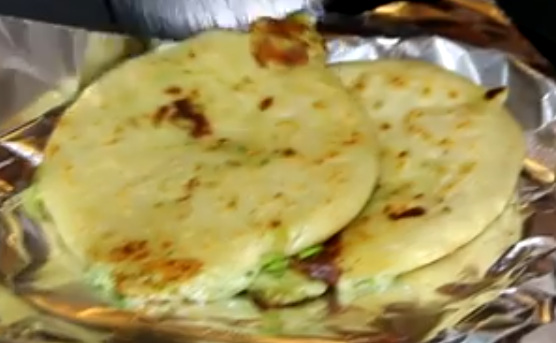
Perhaps the greatest strength of the loroco pupusa lies not only in its flavor but also in its ability to bring people together. In many Salvadoran households, preparing pupusas is a shared activity where parents, grandparents, and children gather around the kitchen to mix masa, prepare fillings, and shape each pupusa by hand. These moments become opportunities to pass down recipes, cooking techniques, and family stories that might otherwise be forgotten.
The process requires patience and practice, yet it also encourages conversation, cooperation, and celebration. Every handmade pupusa reflects the experience of the person preparing it, making each meal slightly unique while remaining faithful to tradition.
As Salvadoran communities have expanded across the globe, the loroco pupusa has traveled with them, serving as a comforting reminder of home. Whether enjoyed in a bustling city restaurant or prepared in a family kitchen thousands of miles from El Salvador, it continues to preserve cultural heritage while introducing new generations to one of Central America’s most treasured culinary traditions.
Traditional Ingredients Used in a Loroco Pupusa
The beauty of a loroco pupusa lies in its simplicity. Unlike many modern recipes that rely on long ingredient lists, authentic Salvadoran pupusas use only a handful of carefully selected ingredients. Each component contributes to the overall balance of flavor, texture, and aroma, proving that quality often matters more than quantity.
The foundation of every pupusa is masa, a soft dough traditionally prepared from nixtamalized corn. Modern recipes often use masa harina mixed with warm water and a small amount of salt to create a smooth, pliable dough that is easy to shape by hand. The dough must be moist enough to prevent cracking but firm enough to hold the filling securely during cooking.
The filling typically consists of finely chopped loroco combined with cheese. Salvadoran quesillo is the traditional choice because of its creamy texture and excellent melting qualities. However, cooks living outside Central America frequently substitute mozzarella or Oaxaca cheese, both of which provide similar stretchiness and mild flavor.
Fresh loroco is preferred whenever available because it offers the brightest aroma and tender texture. Outside its native growing regions, frozen or preserved loroco has become a practical alternative, allowing people around the world to recreate authentic Salvadoran flavors at home.
A completed loroco pupusa is rarely served alone. It is almost always accompanied by curtido, a lightly fermented cabbage slaw made with carrots, onions, oregano, and vinegar. A smooth tomato salsa prepared from tomatoes, onions, garlic, and mild spices completes the traditional presentation. The freshness and acidity of these side dishes balance the richness of the melted cheese, creating a complete and satisfying meal.
How Loroco Pupusas Are Made
Making authentic loroco pupusas is both a culinary skill and an art form that improves with practice. Although the recipe itself is relatively simple, mastering the shaping technique requires patience and experience.
The process begins by preparing the masa until it reaches a soft, smooth consistency. The dough should feel similar to modeling clay, neither sticky nor dry. If it lacks moisture, it may crack while being shaped, while excessive water can make it difficult to seal around the filling.
Once the dough is ready, the cheese is mixed with chopped loroco to create the filling. Many experienced cooks gently combine the ingredients beforehand so that every bite contains an even balance of cheese and flower buds.
A portion of masa is rolled into a ball before a small indentation is formed in the center. The filling is placed inside this pocket, after which the edges of the dough are carefully brought together to completely enclose the mixture. The filled ball is then gently flattened using the palms of the hands until it reaches the desired thickness.
The pupusa is cooked on a hot comal, cast-iron skillet, or flat griddle without deep frying. As it cooks, the exterior develops lightly browned spots while remaining tender inside. The cheese gradually melts and blends with the loroco, producing the creamy filling that defines this traditional dish.
Cooking usually takes only a few minutes per side, but careful attention is required to ensure even browning without burning the corn dough. Once finished, the pupusas are served immediately while still hot, allowing the cheese to remain perfectly melted.
The Unique Flavor Profile of Loroco Pupusas
People encountering loroco for the first time often struggle to compare its taste with familiar ingredients because it possesses a character entirely its own. Rather than dominating the dish, loroco adds subtle complexity that unfolds gradually with each bite.
The aroma carries gentle floral notes accompanied by mild herbal undertones. Some diners detect hints reminiscent of asparagus, spinach, or artichokes, while others notice slightly nutty and earthy qualities. These delicate characteristics become more pronounced when paired with creamy melted cheese.
The corn masa contributes a naturally sweet, toasted flavor that provides an excellent backdrop for the filling. As the exterior cooks on the griddle, it develops light caramelization that adds another layer of texture and taste.
Curtido introduces crispness and refreshing acidity that cuts through the richness of the cheese. Meanwhile, the tomato salsa contributes gentle sweetness and mild tanginess without overwhelming the subtle floral notes of loroco.
Together, these elements create a meal that feels comforting, balanced, and deeply satisfying. Rather than relying on intense spices or heavy seasoning, the loroco pupusa celebrates fresh ingredients and harmonious flavors.
Nutritional Value of Loroco Pupusas
Although loroco pupusas are often considered comfort food, they also provide several valuable nutrients. The nutritional content naturally varies depending on portion size and the quantity of cheese used, but the combination of corn, dairy, and vegetables offers a balanced meal.
The corn masa supplies complex carbohydrates that provide sustained energy throughout the day. It also contains dietary fiber, which supports healthy digestion and contributes to feelings of fullness after eating.
Cheese serves as an excellent source of protein and calcium. Protein helps maintain muscles and supports tissue repair, while calcium contributes to strong bones and healthy teeth. Depending on the type of cheese selected, additional nutrients such as phosphorus and vitamin B12 may also be present.
Loroco itself contributes vitamins, minerals, and plant compounds while adding minimal calories. Although scientific research on loroco remains relatively limited compared to more common vegetables, it has long been valued in Central American diets as a nutritious edible flower.
When served with curtido, the meal gains additional fiber along with vitamins from cabbage and carrots. The lightly fermented nature of curtido may also support digestive health by introducing beneficial bacteria, depending on the preparation method.
Like many traditional foods, moderation remains important. Using high-quality ingredients and enjoying pupusas as part of a balanced diet allows people to appreciate both their nutritional benefits and their cultural significance.
Cultural Importance in Salvadoran Society
Few dishes represent El Salvador as completely as the pupusa. It is more than a popular meal—it serves as a powerful symbol of national identity, family traditions, and shared heritage.
Across El Salvador, pupuserías are gathering places where friends and relatives come together to enjoy freshly prepared food. The familiar sound of masa being shaped by hand and the aroma of cooking pupusas create an atmosphere that many Salvadorans associate with comfort, hospitality, and home.
Families often reserve weekends for making pupusas together. Grandparents teach younger generations how to prepare the dough, portion the filling, and flatten each pupusa without allowing it to break. These cooking sessions strengthen family bonds while ensuring that traditional recipes continue to be passed down through generations.
For Salvadorans living abroad, preparing loroco pupusas offers a meaningful connection to their homeland. Access to frozen loroco and imported ingredients has made it possible for immigrant communities to preserve important culinary traditions even while living thousands of miles away.
International food festivals and cultural celebrations have also introduced loroco pupusas to wider audiences. As people explore global cuisines, many discover that this humble stuffed corn flatbread tells a much larger story about history, resilience, and the importance of preserving cultural identity through food.
The worldwide appreciation of Salvadoran cuisine continues to grow, and the loroco pupusa remains one of its finest ambassadors. Its unique flavor, rich history, and enduring traditions ensure that it will continue to delight future generations while honoring the remarkable culinary heritage from which it originated.
Popular Variations of Pupusas
Although the loroco pupusa is one of the most treasured versions of this Salvadoran classic, it is only one member of a diverse family of pupusas that have evolved over generations. Every region, household, and restaurant often has its own favorite fillings, allowing this humble corn flatbread to adapt to changing tastes while maintaining its traditional roots.
The simplest variation is the cheese pupusa, known for its rich, creamy filling and universal appeal. Another classic is the bean pupusa, where smooth refried beans create a hearty and satisfying meal. Chicharrón pupusas, filled with seasoned ground pork, remain especially popular among meat lovers, while the revuelta combines pork, beans, and cheese into one flavorful filling that many Salvadorans consider the ultimate comfort food.
Modern kitchens have expanded these traditional options by incorporating vegetables, mushrooms, spinach, jalapeños, shrimp, chicken, and even vegan ingredients. Despite these creative adaptations, loroco continues to hold a special place because it represents one of the oldest and most authentic ingredients used in Salvadoran cooking.
Its unique floral aroma cannot easily be replaced, making the loroco pupusa an experience unlike any other variety. Even people who regularly enjoy different fillings often return to loroco because of its distinctive taste and cultural significance.
The Best Ways to Serve Loroco Pupusas
Freshly cooked loroco pupusas are best enjoyed immediately after leaving the griddle, when the exterior remains lightly crisp and the cheese inside is perfectly melted. Timing plays an important role because the texture and aroma are at their finest while still warm.
Curtido is considered an essential companion rather than an optional side dish. The crunchy cabbage slaw provides refreshing acidity that balances the richness of the cheese while adding texture to every bite. Its lightly fermented flavor complements the mild floral notes of loroco without overpowering them.
A smooth Salvadoran tomato salsa completes the traditional presentation. Unlike many spicy sauces found in other cuisines, this salsa focuses on fresh tomato flavor with gentle seasoning, allowing the pupusa to remain the center of attention.
Many people also enjoy pupusas alongside Salvadoran crema, sliced avocado, black beans, fried plantains, or rice. These additions transform a simple meal into a complete dining experience suitable for lunch or dinner.
For beverages, horchata, tamarind juice, fresh fruit drinks, coffee, and tropical juices pair exceptionally well with loroco pupusas. Their refreshing qualities balance the richness of the meal while enhancing its comforting character.
Tips for Making Authentic Loroco Pupusas at Home
Preparing restaurant-quality loroco pupusas at home becomes much easier by following several traditional techniques that experienced Salvadoran cooks have practiced for generations.
The most important factor is maintaining the correct consistency of the masa. Dough that is too dry may crack during shaping, causing the filling to escape while cooking. Dough that is overly wet becomes difficult to handle and may not hold its shape properly. Finding the right balance produces soft, flexible dough that seals easily around the filling.
The filling should also be evenly distributed. Overfilling the pupusa may cause it to burst on the griddle, while using too little filling reduces the rich flavor that makes loroco pupusas so satisfying. Gentle pressure while flattening helps create an even thickness that cooks consistently without breaking the dough.
Cooking temperature is equally important. Medium to medium-high heat allows the exterior to develop golden brown spots while ensuring the cheese melts completely inside. Excessive heat may burn the surface before the filling becomes fully heated.
Fresh loroco generally delivers the brightest flavor, but frozen or preserved loroco remains an excellent option when fresh supplies are unavailable. Choosing high-quality cheese with good melting properties further improves both texture and flavor.
Perhaps the most valuable advice is patience. Like many traditional recipes, making excellent pupusas is a skill that improves through repetition. Each batch develops greater consistency, allowing home cooks to gain confidence while preserving an important culinary tradition.
Where to Find Loroco Outside Central America
As Salvadoran communities have expanded internationally, access to authentic ingredients has become significantly easier than it was decades ago. Loroco, once considered difficult to obtain outside Central America, can now be found in many cities with Latin American grocery stores.
Fresh loroco is typically available during its harvest season in regions where it is cultivated. However, frozen loroco has become the most common option in countries such as the United States, Canada, and parts of Europe because it retains much of its original flavor while remaining available throughout the year.
Many specialty food stores also sell preserved loroco packed in jars or vacuum-sealed packages. Although its texture differs slightly from fresh loroco, it remains a practical choice for preparing authentic pupusas.
Online retailers specializing in Latin American ingredients have further increased accessibility by shipping frozen and preserved loroco directly to customers. This convenience has allowed Salvadoran families living abroad to continue preparing traditional recipes while introducing their cultural heritage to friends and neighbors from different backgrounds.
Frequently Asked Questions About Loroco Pupusas
One common question concerns the flavor of loroco. Although many people compare it to asparagus or spinach, loroco possesses a distinctive floral and herbal taste that cannot be perfectly matched by any single vegetable. Its unique aroma is one of the reasons it has remained a treasured ingredient for centuries.
Another frequently asked question is whether loroco pupusas are vegetarian. Traditional loroco and cheese pupusas are indeed vegetarian because they contain no meat. However, they are not vegan unless dairy-free cheese substitutes are used.
Many first-time cooks also wonder whether masa harina is suitable for authentic pupusas. While freshly prepared masa remains the traditional choice, high-quality masa harina is widely accepted and produces excellent results when properly hydrated.
Storage is another common concern. Cooked pupusas can be refrigerated for several days and reheated on a skillet to restore much of their original texture. Many families also freeze uncooked or cooked pupusas for convenient future meals.
Finally, people often ask whether loroco can be substituted with another ingredient. While spinach, herbs, or edible flowers may provide interesting alternatives, none truly replicate the distinctive flavor that has made loroco an iconic component of Salvadoran cuisine.
The Lasting Appeal of Loroco Pupusas
The enduring popularity of the loroco pupusa reflects far more than its delicious taste. It represents history, family traditions, agricultural heritage, and the remarkable ability of food to preserve cultural identity across generations and continents.
Every handmade pupusa tells a story of craftsmanship passed from one generation to the next. The careful preparation of the masa, the fragrant filling of loroco and cheese, and the familiar ritual of serving it alongside curtido and tomato salsa all contribute to a dining experience that celebrates simplicity and authenticity.
As global interest in international cuisine continues to grow, the loroco pupusa has found appreciative audiences well beyond El Salvador. Food enthusiasts increasingly seek authentic culinary experiences, and this traditional stuffed corn flatbread offers exactly that. Its combination of wholesome ingredients, balanced flavors, and rich cultural history makes it one of Central America’s most memorable dishes.
Whether enjoyed in a traditional pupusería, prepared during a family gathering, or introduced to someone tasting Salvadoran food for the first time, the loroco pupusa remains a timeless reminder that the world’s greatest recipes are often those rooted in tradition. Its unique blend of corn, cheese, and edible flowers continues to connect people through shared meals, preserving one of El Salvador’s most cherished culinary treasures for generations to come.