Muštarda: A Comprehensive Exploration of History, Flavor, and Global Culinary Significance

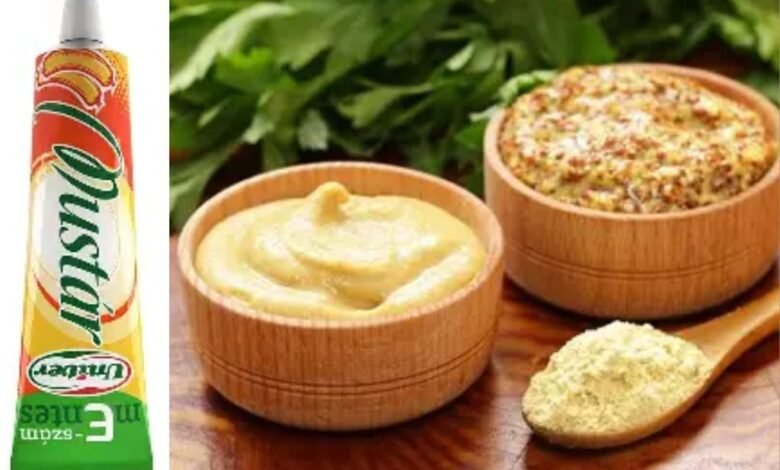
Few condiments in the culinary world possess the depth, versatility, and historical richness of muštarda, widely known as mustard. From ancient civilizations to modern gastronomy, this seemingly simple paste has played a significant role in shaping food traditions across continents. With its distinctive sharpness and adaptability, muštarda continues to be an essential ingredient in both traditional and contemporary cuisines.
The Origins and Historical Evolution of Muštarda
The story of muštarda begins thousands of years ago with the mustard plant, a member of the Brassicaceae family. Native to parts of Europe and Asia, mustard seeds were among the earliest spices used by humans. Archaeological evidence suggests that mustard seeds were utilized as early as 3000 BCE.
Ancient civilizations such as the Egyptians, Greeks, and Romans recognized the culinary and medicinal value of mustard. The Romans, in particular, are credited with developing an early version of the condiment by grinding mustard seeds and mixing them with grape must. This mixture, known as mustum ardens or “burning must,” is widely believed to be the origin of the modern name “mustard.”
During the Middle Ages, muštarda gained widespread popularity across Europe. Monasteries became key centers of mustard production, refining recipes and preserving techniques. By the Renaissance period, mustard had established itself as a staple seasoning, especially in France, where it would later evolve into more refined varieties such as Dijon mustard.
Botanical Background and Types of Mustard Seeds
Muštarda is derived from the seeds of mustard plants, which come in several varieties. The three primary types of mustard seeds each contribute unique characteristics:
White (Yellow) Mustard Seeds
These seeds are mild and slightly tangy, commonly used in American-style mustard. Their gentle flavor makes them suitable for a wide audience and versatile culinary applications.
Brown Mustard Seeds
More pungent than yellow seeds, brown mustard seeds are widely used in European mustards, including Dijon. They offer a balanced heat and depth of flavor.
Black Mustard Seeds
The most intense and aromatic of the three, black mustard seeds are frequently used in South Asian cooking. They release a strong, spicy flavor when heated and are often used in tempering techniques.
The Science Behind Mustard’s Flavor
One of the most fascinating aspects of muštarda is its chemical transformation. Mustard seeds themselves are relatively mild until they are crushed and mixed with liquid. This process activates enzymes that produce compounds responsible for mustard’s characteristic heat.
The type of liquid used plays a crucial role in determining flavor intensity. Water tends to produce a stronger, sharper heat, while acidic liquids like vinegar create a milder, more stable taste. Temperature also affects the reaction, influencing the final flavor profile.
Production Process and Craftsmanship
The preparation of muštarda involves several key steps:
- Seed Selection and Cleaning – High-quality seeds are chosen and cleaned to remove impurities.
- Grinding or Crushing – Seeds are ground to varying degrees, from fine powders to coarse textures.
- Mixing with Liquids – Water, vinegar, wine, or lemon juice is added to create the paste.
- Seasoning – Ingredients such as salt, sugar, herbs, and spices are incorporated.
- Aging and Maturation – Some mustards are aged to develop deeper, more complex flavors.
Artisanal producers often emphasize traditional methods, while industrial production focuses on consistency and large-scale output.
Varieties of Muštarda Around the World
Muštarda exists in countless forms, each reflecting regional preferences and culinary traditions.
Yellow Mustard
Known for its bright color and mild taste, yellow mustard is especially popular in North America. It is commonly used in sandwiches, hot dogs, and fast food.
Dijon Mustard
Originating in France, Dijon mustard is smooth, refined, and moderately strong. It is often used in sauces, dressings, and gourmet recipes.
Whole Grain Mustard
This variety retains partially crushed seeds, resulting in a textured appearance and a robust flavor.
Honey Mustard
A blend of mustard and honey, this variety offers a sweet and tangy profile, making it ideal for dips and dressings.
English Mustard
Characterized by its intense heat, English mustard delivers a sharp, pungent kick that stands out in traditional British dishes.
Regional Specialties
Different countries have developed their own unique versions, incorporating local ingredients and techniques. In South Asia, mustard seeds are used not only in paste form but also as a cooking spice, while in Germany, mustard varieties range from sweet to spicy depending on the region.
Culinary Applications and Versatility
Muštarda’s versatility is one of its greatest strengths. It serves as both a standalone condiment and a foundational ingredient in a wide array of dishes.
As a Condiment
Mustard is commonly used with sandwiches, burgers, sausages, and grilled meats. Its tangy flavor enhances the overall taste without overpowering other ingredients.
In Cooking
Chefs incorporate muštarda into sauces, marinades, and dressings. It acts as an emulsifier in vinaigrettes, helping oil and vinegar blend smoothly.
In Gourmet Cuisine
In fine dining, mustard is used to create complex flavor profiles. It pairs well with meats, seafood, and even vegetarian dishes, adding depth and balance.
Nutritional Value and Health Considerations
Muštarda is not only flavorful but also nutritionally beneficial. Mustard seeds contain essential minerals such as selenium, magnesium, and calcium. They also provide antioxidants and small amounts of healthy fats.
One of the key advantages of mustard as a condiment is its low calorie and fat content, making it a healthier alternative to many creamy sauces. Additionally, mustard has been traditionally associated with digestive benefits and anti-inflammatory properties, although scientific evidence varies.
Cultural and Symbolic Importance
Beyond its culinary role, muštarda carries cultural significance in many regions. In Europe, it has long been associated with tradition and craftsmanship. In South Asia, mustard seeds are deeply embedded in cooking techniques and rituals.
Mustard has also appeared in literature and religious texts as a symbol of growth and potential, often representing something small that can develop into something powerful.
Modern Trends and Innovations
In recent years, muštarda has experienced a resurgence in popularity, driven by interest in artisanal foods and global cuisine. Producers are experimenting with new flavors, incorporating ingredients such as truffles, fruits, herbs, and spices.
Health-conscious consumers are also drawn to mustard for its natural ingredients and minimal processing. As a result, organic and specialty mustards are becoming increasingly common in markets worldwide.
Conclusion
Muštarda stands as a testament to the enduring power of simple ingredients transformed through human ingenuity. From ancient spice to modern culinary essential, it has maintained its relevance across centuries and cultures.
Its bold flavor, scientific complexity, and cultural richness make it far more than just a condiment. Whether enjoyed in its simplest form or as part of an elaborate dish, muštarda continues to inspire chefs, enrich meals, and connect culinary traditions around the world.