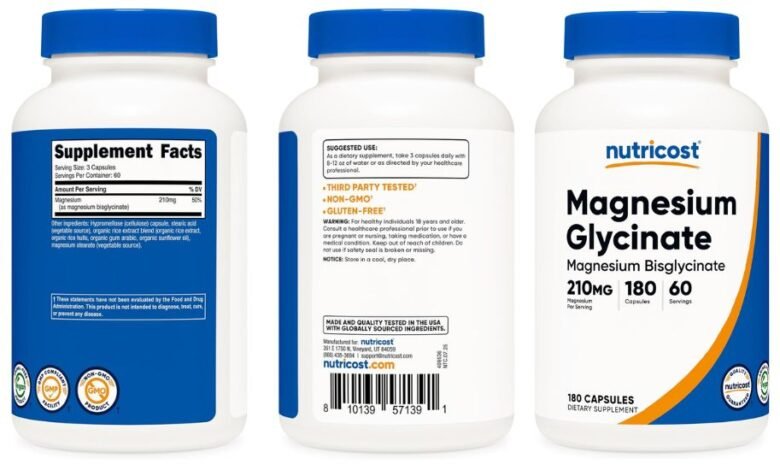
If you’ve ever searched for natural ways to sleep better, feel calmer, or reduce muscle cramps, chances are you’ve come across the phrase “best magnesium glycinate.” Magnesium glycinate has become one of the most popular forms of magnesium supplementation because it combines good absorption with a gentle effect on the digestive system.
This article takes a detailed look at what magnesium glycinate is, how it works in the body, its potential benefits, how much to take, and how to choose a high-quality supplement—so you can decide whether it’s the right option for you.
This information is educational only and does not replace medical advice. Always consult a healthcare professional before starting any supplement.
Why Magnesium Matters in the First Place
Magnesium is an essential mineral involved in hundreds of processes in the body. It plays a role in:
- Muscle contraction and relaxation
- Nerve function and communication between brain cells
- Blood sugar control and insulin sensitivity
- Blood pressure regulation and cardiovascular health
- Energy production and protein synthesis
- Bone strength and structure
Despite its importance, many people do not get enough magnesium from their diets. Highly processed foods, low intake of leafy greens and nuts, chronic stress, and certain medical conditions can all contribute to low magnesium levels. When intake is chronically low, symptoms can show up as fatigue, irritability, muscle cramps, poor sleep, and a general feeling of being “run down.”
That is where magnesium supplements come in—and the type you choose can make a big difference in how well your body responds.
What Is Magnesium Glycinate?
There are many forms of magnesium supplements: oxide, citrate, chloride, malate, threonate, and more. Each form pairs magnesium with a different compound, which affects how well it’s absorbed and how it feels in the body.
Magnesium glycinate (often called magnesium bisglycinate) is a chelated form of magnesium. This means the magnesium is bound to glycine, an amino acid with naturally calming properties. This pairing offers several advantages:
- It is generally well absorbed by the digestive system.
- It tends to be gentler on the stomach compared with some other forms.
- Many people find it supportive for relaxation, sleep, and nervous system balance.
While no supplement is perfect for everyone, magnesium glycinate is widely considered one of the best all-round choices, particularly for people who want the benefits of magnesium without strong laxative effects.
Key Benefits of Magnesium Glycinate
1. Support for Better Sleep
One of the most common reasons people search for the best magnesium glycinate is to improve sleep quality. Magnesium plays a role in regulating neurotransmitters that calm the nervous system and help the brain wind down. Glycine, the amino acid attached to magnesium in this form, is also involved in relaxation and may contribute to a sense of calm before bed.
People who take magnesium glycinate regularly often report that:
- They fall asleep more easily
- Their sleep feels deeper and more restful
- They wake up less during the night
These effects are usually subtle and gradual rather than dramatic. Magnesium is not a sedative; instead, it helps the body return to its natural equilibrium if low magnesium was contributing to sleep difficulties in the first place.
2. Stress, Mood, and Anxiety Support
Modern life is full of stressors, and the nervous system often pays the price. Magnesium is involved in the body’s stress response and helps regulate signals between brain cells. When levels are low, people may feel more “on edge,” easily overwhelmed, or mentally fatigued.
Because magnesium glycinate is both well absorbed and paired with a calming amino acid, it is often chosen for:
- General stress support
- Mild anxious feelings
- That “wired but tired” state in the evenings
It is important to be realistic: magnesium alone will not resolve serious anxiety or depression. However, for some people, bringing magnesium levels back into a healthy range can be one helpful piece in an overall plan that includes lifestyle changes, therapy, and other treatments recommended by a professional.
3. Muscle Cramps, Tension, and Recovery
Magnesium plays a key role in muscle function. It helps muscles contract and then relax again. When levels are low, the muscles may be more prone to:
- Leg cramps (especially at night)
- Eye or facial twitches
- General tension and stiffness
Athletes, people who work physically demanding jobs, or those who experience frequent cramps often turn to magnesium glycinate as a daily support. Because this form is easier on the stomach than some others, it can be taken consistently without the digestive upset that sometimes comes with higher-dose magnesium citrate or oxide.
4. Heart and Metabolic Health
Magnesium is involved in maintaining normal blood pressure, supporting steady heart rhythm, and helping the body control blood sugar. Low magnesium intake has been associated with higher risk of issues such as high blood pressure and reduced insulin sensitivity.
Magnesium glycinate is not a treatment on its own for any heart or metabolic condition, but it can be one useful strategy when:
- Overall dietary intake of magnesium is low
- There is a need to support healthy blood pressure and blood sugar as part of a bigger lifestyle plan
- A person wants to gently increase magnesium levels without irritating the digestive tract
As always, anyone with heart disease, diabetes, or other chronic conditions should only start supplements after discussing them with a healthcare provider.
5. Gentle on the Digestive System
Some magnesium supplements are notorious for causing diarrhea or stomach cramps, especially at higher doses. This is partly because unabsorbed magnesium in the intestines pulls water into the stool.
Magnesium glycinate stands out because:
- It is better absorbed by the body
- It tends to have a milder effect on the bowels
- Many people who cannot tolerate other forms find this one comfortable to take daily
If you have tried magnesium before and stopped because of digestive side effects, glycinate is often recommended as a gentler alternative.
Who Might Benefit Most from Magnesium Glycinate?
Magnesium glycinate may be worth discussing with a healthcare professional if you:
- Have trouble falling asleep or staying asleep
- Experience frequent muscle cramps or twitches
- Live with chronic stress, emotional tension, or a busy mind at night
- Eat very few magnesium-rich foods like leafy green vegetables, nuts, seeds, beans, and whole grains
- Have digestive issues that affect nutrient absorption
Certain medications and health conditions can reduce magnesium levels over time. People taking diuretics, long-term acid-reducing medications, or those with digestive disorders may be more prone to deficiency.
At the same time, some individuals need to be especially careful with magnesium supplements, including those with kidney disease or serious heart rhythm problems. For them, any supplement plan should be supervised by a health professional who can monitor blood levels and overall safety.
Recommended Dosage of Magnesium Glycinate
Click Here to Buy Best Magnesium Glycinate Supplement
There are two things to think about: how much magnesium you need overall, and how much you get from supplements specifically.
Daily Magnesium Needs
Most adults need roughly:
- Men: about 400–420 mg of magnesium per day
- Women: about 310–320 mg of magnesium per day
This total includes food, drinks, multivitamins, and dedicated magnesium supplements.
Typical Supplement Amounts
For magnesium glycinate, many people use a supplement that provides roughly:
- 200–400 mg of elemental magnesium per day
Some take the full amount at once, often in the evening, while others split it into two smaller doses—one earlier in the day and one before bed.
It is wise to start at the lower end, see how your body responds, and increase slowly if needed. You should also check whether your multivitamin or other products already provide magnesium, so you do not accidentally take more than you intended.
The safest approach is to follow the dosage on the product label unless your doctor has specifically advised a different amount.
When and How to Take Magnesium Glycinate
There is no single “perfect” time of day, but there are some practical tips:
- Evening or bedtime: Many people prefer taking magnesium glycinate in the evening because they find it gently calming and want to support better sleep.
- With food: Taking it with a meal or light snack may further improve tolerance and absorption for some individuals.
- Split dosing: If you are using a higher dose, you might divide it into morning and evening to reduce any chance of digestive discomfort.
Spacing from Other Medications
Magnesium can interfere with the absorption of certain medicines, such as some antibiotics, thyroid medications, and drugs used to treat osteoporosis. To reduce interactions, it is often recommended to:
- Take magnesium at least 2–4 hours apart from these medications.
Because everyone’s medication regimen is different, it is best to check with a doctor or pharmacist to get specific guidance on timing.
How to Choose the Best Magnesium Glycinate Supplement
With so many products on the market, it can be confusing to know which one to trust. Here are some simple criteria to help you choose.
1. Clear Labeling
Look for a product that clearly states:
- That it contains magnesium glycinate or magnesium bisglycinate
- How much elemental magnesium is provided per capsule or tablet
Sometimes labels show a larger “compound” weight (such as magnesium glycinate complex) but a smaller amount of actual magnesium. The elemental number is the one that matters for dosage.
2. Quality Standards
A good supplement should:
- Be manufactured in a facility that follows good manufacturing practices
- Provide information about testing for purity and potency
Some brands mention independent testing or quality certifications. While not a guarantee of perfection, these are usually positive signs.
3. Minimal Additives
Since you may be taking the supplement every day, it makes sense to choose a cleaner formula when possible. Many people prefer products that are:
- Free from artificial colors and flavors
- Low in unnecessary fillers
- Suitable for common dietary needs (such as gluten-free or vegan), if that matters to you
4. Single Ingredient vs. Complex Formulas
Some magnesium glycinate products include extra nutrients like vitamin D, vitamin B6, or zinc. These can be helpful in some cases but can also make it easy to exceed recommended intakes if you are already taking other supplements.
If you are just starting out, a simple magnesium glycinate-only product is often easier to manage. Once you know how your body responds, you can consider more complex formulas if needed.
5. Realistic Expectations
When reading reviews or hearing recommendations, keep in mind that magnesium glycinate usually works gradually. People might notice improvements in sleep or muscle tension over several days or weeks, not overnight. Look for consistent comments rather than miracle claims, and remember that each body responds differently.
Click Here to Buy Best Magnesium Glycinate Supplement
Possible Side Effects and Safety Considerations
Magnesium glycinate is generally well tolerated, but like any supplement, it can cause side effects in some people, especially at higher doses.
Common, Mild Side Effects
- Nausea
- Stomach upset
- Loose stools or diarrhea (less common than with some other forms, but still possible)
If these occur, you can try:
- Reducing the dose
- Splitting the dose across the day
- Taking it with food
More Serious Concerns
Too much magnesium, especially in individuals with reduced kidney function, can lead to more serious problems such as:
- Very low blood pressure
- Extreme drowsiness or confusion
- Irregular heartbeat
These situations are uncommon, but they highlight why supplements should not be taken carelessly or in very high doses without supervision.
Who Should Be Extra Careful?
Speak with a healthcare professional before using magnesium glycinate if you:
- Have any kidney disease or reduced kidney function
- Take medications for heart rhythm, blood pressure, or diabetes
- Are pregnant or breastfeeding and considering doses beyond what is in a standard prenatal vitamin
- Have been told that your magnesium levels are already high
A simple blood test and a conversation with a professional can help determine whether magnesium supplementation is appropriate and safe for you. is appropriate and safe for you.
Final Thoughts: Is Magnesium Glycinate Right for You?
Magnesium glycinate has earned its place as one of the best magnesium options for many people. It combines good absorption with a gentle effect on the digestive system and is especially popular for:
- Supporting deeper, calmer sleep
- Helping the body cope with everyday stress
- Reducing muscle cramps and tension
- Gently increasing magnesium levels over time
It’s not a cure-all, and it will never replace healthy basics like a balanced diet, regular movement, and good sleep habits. However, for people who are not getting enough magnesium and want a form that’s easy to tolerate, magnesium glycinate can be a smart, long-term addition to a well-planned routine.
The key is to choose a quality product, use a sensible dose, and pay close attention to how your body responds—ideally in partnership with a healthcare professional who understands your personal health history. With that approach, magnesium glycinate can move from being just another supplement on the shelf to a meaningful part of your overall well-being strategy. At Empire Magazines, the aim is to help you understand supplements like magnesium glycinate clearly, so you can make informed, confident choices for your health.
FAQs About Magnesium Glycinate
1. What is magnesium glycinate?
Magnesium glycinate (also called magnesium bisglycinate) is a form of magnesium bound to the amino acid glycine. This chelated form is known for its good absorption and gentle effect on the digestive system, making it a popular choice for long-term use.
2. What is magnesium glycinate best used for?
Magnesium glycinate is commonly used to support better sleep, reduce muscle cramps and tension, promote relaxation, and help the body cope with everyday stress. It’s often chosen by people who want the benefits of magnesium without strong laxative effects.
3. Is magnesium glycinate good for sleep?
Yes, many people use magnesium glycinate to support deeper, more restful sleep. Magnesium helps calm the nervous system, and glycine may also promote relaxation. It’s not a sleeping pill, but it can gently improve sleep quality over time if low magnesium is part of the problem.
4. When is the best time to take magnesium glycinate?
Many people prefer taking magnesium glycinate in the evening or before bed to support relaxation and sleep. However, you can take it at any time of day as long as you are consistent. Taking it with food may improve tolerance for some individuals.
5. How much magnesium glycinate should I take daily?
A common supplemental range is about 200–400 mg of elemental magnesium per day, often split into one or two doses. The right amount depends on your diet, health status, and other supplements you take, so it’s best to follow the product label or your healthcare provider’s advice.
6. How long does it take for magnesium glycinate to work?
Some people notice changes in sleep or muscle tension within a few days, but for many, the benefits appear gradually over 1–3 weeks of consistent use. Magnesium works best as a long-term support, not an instant fix.
7. Can magnesium glycinate cause side effects?
Magnesium glycinate is usually well tolerated, but some people may experience mild side effects like nausea, stomach upset, or loose stools—especially at higher doses. Reducing the dose, splitting it throughout the day, or taking it with food often helps.
8. Who should avoid magnesium glycinate?
People with kidney disease, serious heart rhythm problems, or those on certain medications (such as some antibiotics, blood pressure drugs, diabetes medications, or thyroid medicine) should not take magnesium supplements without medical supervision. Always consult your doctor before starting.
9. Can I take magnesium glycinate with other supplements or vitamins?
Yes, magnesium glycinate is often taken alongside multivitamins, vitamin D, omega-3s, and other common supplements. However, check labels so you don’t accidentally exceed safe magnesium levels, and space magnesium away from any medication that it may affect, as advised by your healthcare provider.
10. Is magnesium glycinate better than magnesium citrate or oxide?
It depends on your goal. Magnesium glycinate is usually preferred for sleep, stress, and long-term support because it’s well absorbed and gentle on the gut. Magnesium citrate is often used for constipation due to its laxative effect, and magnesium oxide is less well absorbed but sometimes used short-term for bowel relief.