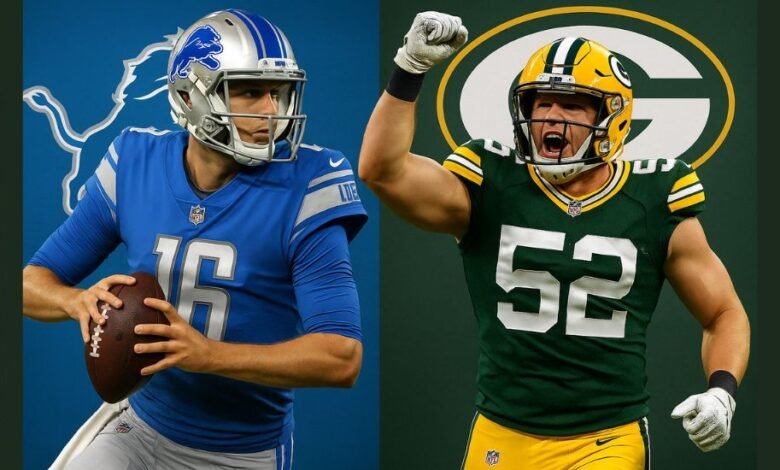
The rivalry between the Detroit Lions and the Green Bay Packers has been one of the most iconic matchups in NFL history. Whenever these two NFC North opponents collide, the atmosphere is charged with intensity, tradition, and the weight of decades-long competition. Their most recent matchup—played on September 7, 2025—was no different. The Green Bay Packers secured a 27–13 victory, driven by efficient quarterback play, a strong defensive showing, and key offensive contributions. Meanwhile, the Lions struggled to establish momentum, especially in the running game, which hindered their ability to keep pace.
In this extended analysis, we break down the performance of both teams, focusing on player statistics, strategic decisions, momentum-shifting moments, and how the individual performances tell the story of the game. This article provides an in-depth look at stats, context, and implications for both franchises moving forward.
1. Overview of the Game
The Lions entered the matchup with high expectations after a strong previous season, but the Packers quickly demonstrated that they were well-prepared to shut down Detroit’s strengths. Quarterback Jared Goff posted strong efficiency numbers, completing 31 of 39 passes, yet the Lions’ offense struggled to translate yardage into touchdowns. In contrast, Jordan Love executed the Packers’ offensive game plan with precision, finishing with 188 yards and 2 touchdowns on just 22 attempts, showing a high level of efficiency (over 8.5 yards per attempt).
The Packers controlled the tempo with a balanced mix of run and pass plays. Meanwhile, Detroit’s inability to run the ball—averaging barely 2.1 yards per carry between its featured backs—forced the Lions to rely heavily on short-range passing, limiting explosive opportunities.
2. Detroit Lions Player Stats and Performance Breakdown
2.1 Jared Goff — Accurate, But Limited Scoring Output
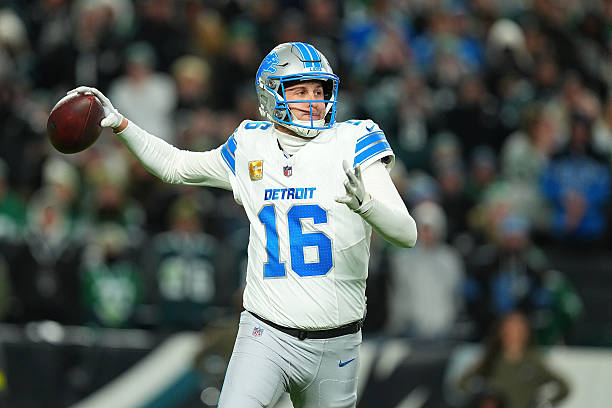
- 31/39 completions
- 225 yards
- 1 touchdown
- 1 interception
- 4 sacks taken
On paper, Goff’s completion percentage looks elite, sitting at nearly 80%, but the lack of big plays and red-zone execution reduced the overall impact of his performance. Most of his completions consisted of high-percentage throws, screens, and short crossing routes. The Packers’ defensive secondary played disciplined zone coverage, preventing deep shots and forcing Detroit into a predictable rhythm.
His lone interception occurred early in the second half, shifting momentum firmly toward Green Bay as they capitalized with a scoring drive. Goff’s four sacks also reflect communication issues on the offensive line, especially in key third-down situations.
2.2 The Rushing Game — Detroit’s Biggest Weakness
One of the most defining storylines of the game was the Lions’ inability to run the football consistently.
David Montgomery

- 11 carries
- 25 yards (2.3 avg)
Montgomery struggled to find openings as the Packers’ defensive front clogged running lanes early and often. His bruising style, which usually helps Detroit grind out tough yards, was neutralized.
Jahmyr Gibbs

- 9 carries
- 19 yards (2.1 avg)
Gibbs, known for explosiveness and versatility, was unable to break free for big gains. The Lions attempted wide-zone and outside stretch plays, but Green Bay’s linebackers showed excellent lateral speed in containing him.
The Lions’ total rushing effort amounted to just 46 yards, leaving the offense one-dimensional and limiting play-action opportunities.
2.3 Receiving Unit — Steady Production, Missing Explosive Plays
Sam LaPorta — The Bright Spot
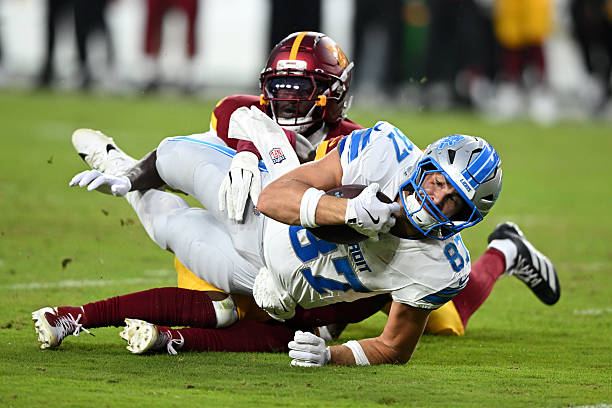
- 6 receptions
- 79 yards (13.2 avg)
LaPorta continues emerging as one of Detroit’s most reliable pass-catchers. He consistently found space in the intermediate zones and stood out as Detroit’s most impactful offensive player.
Amon-Ra St. Brown
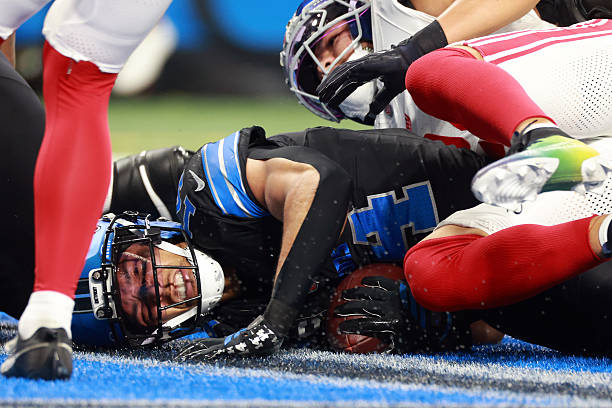
- 4 receptions
- 45 yards
St. Brown, normally a high-volume receiver, was held to limited targets due to Green Bay’s tight man-coverage focus on him. His production efficiency remained solid, but his presence never became a game-changing factor.
Jahmyr Gibbs (as receiver)
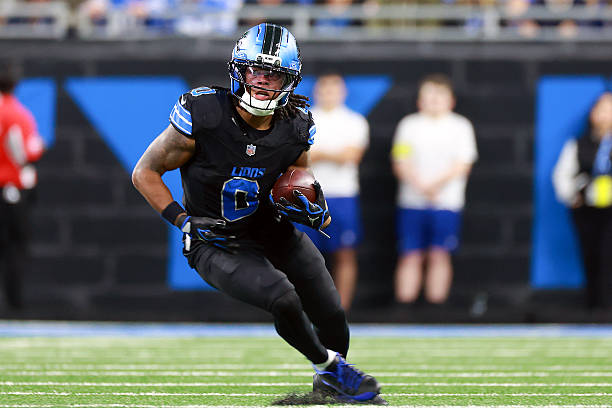
- 10 receptions
- 31 yards
Though heavily targeted, many of Gibbs’ receptions came on check-downs, reflecting Detroit’s inability to push the ball downfield.
2.4 Lions Defensive Performance
Detroit’s defense had moments of strength, particularly with pressure on early downs. However, the unit struggled on big plays and key moments:
- Allowed 188 passing yards on just 16 completions.
- Gave up a 66-yard rushing effort to Josh Jacobs.
- Surrendered multiple deep-play receptions, including a 68-yard performance from Romeo Doubs.
The inability to force turnovers or sacks significantly hurt Detroit’s chances of shifting momentum.
3. Green Bay Packers Player Stats and Performance Breakdown
3.1 Jordan Love — Efficient, Calm Under Pressure
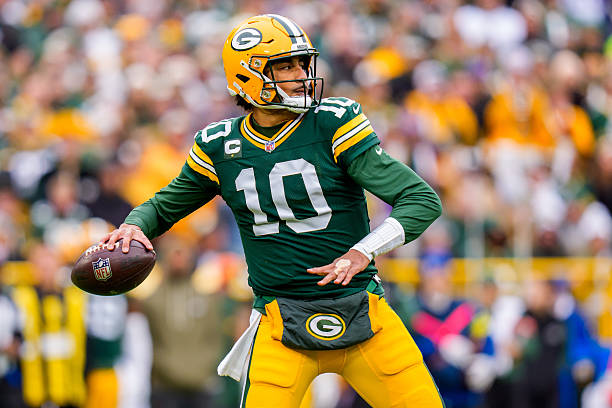
- 16/22 completions
- 188 yards
- 2 touchdowns
- 0 interceptions
Love’s efficient and poised performance deserves high praise. He exploited Detroit’s zone coverage with precision, spreading the ball effectively and avoiding unnecessary risks. His passing attempts were balanced, leaning on high-percentage plays with occasional downfield shots when Detroit’s secondary left openings.
His red-zone composure stood out, making smart reads and avoiding turnovers.
3.2 Josh Jacobs — The Workhorse
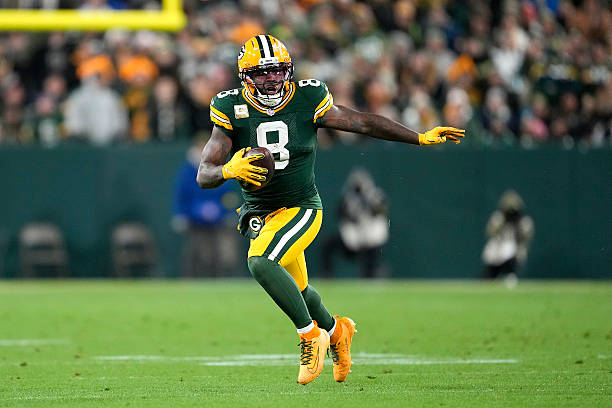
- 19 carries
- 66 yards (3.5 avg)
- 1 touchdown
Jacobs provided the physical presence Green Bay needed to control the tempo. While not explosive, he delivered consistent short-to-medium gains that kept the Packers ahead of the chains and prevented Detroit’s defense from teeing off on passing downs.
His goal-line touchdown demonstrated Green Bay’s confidence in him to power through Detroit’s front seven.
3.3 Receiving Unit — Big Plays When It Mattered
Romeo Doubs
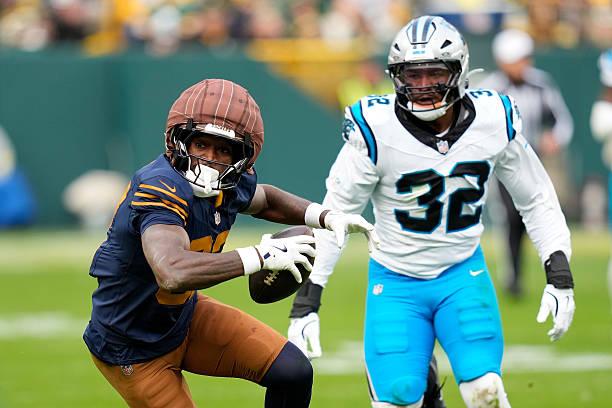
- 2 receptions
- 68 yards (34.0 avg)
Although targeted sparingly, Doubs’ receptions were game-changers, helping stretch the field and open space for shorter passes.
Jayden Reed
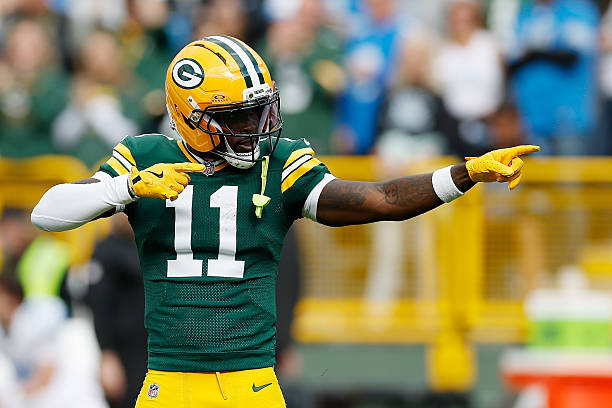
- 3 receptions
- 45 yards
- 1 touchdown
Reed’s precise route-running and clutch plays made him one of Love’s most reliable targets, especially in red-zone situations.
Green Bay’s receivers collectively outperformed Detroit’s defensive backs, especially in key moments.
3.4 Packers Defensive Success
Green Bay’s defensive blueprint was executed almost flawlessly:
- Shutdown Detroit’s rushing attack early.
- Forced Goff into safe, short-range throws.
- Applied consistent defensive pressure generating 4 sacks.
- Timely plays in the secondary eliminated Detroit’s deep-ball threat.
This defensive performance was arguably the most influential factor in the Packers’ victory.
4. Key Turning Points in the Game
4.1 Goff’s Interception
This moment in the third quarter shifted momentum dramatically. Green Bay seized the opportunity and extended their lead, forcing Detroit into a pass-heavy approach for the remainder of the game.
4.2 Big Reception from Romeo Doubs
His long catch set up a scoring opportunity and demoralized Detroit’s defense.
4.3 Packers’ Red-Zone Efficiency
Green Bay capitalized on their chances with touchdowns, while Detroit settled for field goals too often.
5. Statistical Comparison Summary
| Category | Lions | Packers |
|---|---|---|
| Total Points | 13 | 27 |
| Passing Yards | 225 | 188 |
| Rushing Yards | 46 | 66 |
| Total Yards | 271 | 301 |
| Turnovers | 1 | 0 |
| Sacks Allowed | 4 | 0 |
This comparison highlights Detroit’s struggles with pass protection and rushing, while Green Bay demonstrated balance and ball security.
6. What These Stats Mean Moving Forward
For the Lions
- They must identify solutions to revive the running game.
- Goff needs more support from the offensive line, especially on third downs.
- The defense must reduce the number of big plays allowed.
For the Packers
- Jordan Love’s consistency bodes well for Green Bay’s long-term offensive stability.
- The run game provides a dependable complement to the passing attack.
- Their defensive discipline could position them as frontrunners in the NFC North.
7. Final Thoughts
The Detroit Lions vs. Green Bay Packers matchup underscored the importance of balanced offense, defensive pressure, and efficiency in high-stakes divisional games. The Packers executed their game plan with discipline and precision, while Detroit struggled to establish offensive diversity and defensive consistency. These player stats, beyond the score alone, clearly highlight why the momentum leaned Green Bay’s way throughout the contest.
As both teams prepare for their next chapters of the season, the lessons from this matchup—particularly in terms of offensive balance and defensive execution—will play crucial roles in shaping their campaigns. The storied rivalry continues, and each chapter only fuels the intensity of the next showdown.
This article is published for readers of Empire Magazines.
FAQs About Detroit Lions vs. Green Bay Packers Match Player Stats
1. What was the final score of the Detroit Lions vs. Green Bay Packers game?
The Packers won the matchup with a 27–13 victory, driven by efficient quarterback performance and superior defensive pressure.
2. Who had the best overall performance in the game?
Green Bay quarterback Jordan Love delivered one of the strongest performances, throwing 188 yards and 2 touchdowns with zero interceptions, making him a major factor in the Packers’ win.
3. Why did the Detroit Lions struggle offensively?
The Lions’ biggest issue was their rushing inefficiency, producing only 46 total rushing yards. This forced Detroit into predictable passing situations and limited their ability to create explosive plays.
4. Which Detroit Lions player stood out despite the loss?
Tight end Sam LaPorta was Detroit’s top performer, catching 6 passes for 79 yards, consistently giving the Lions valuable yardage in the passing game.
5. How did the Packers’ defense impact the game?
Green Bay’s defense successfully shut down Detroit’s run game, applied strong pressure, and held Detroit to short-yardage passes. They also recorded 4 sacks, disrupting Goff’s rhythm.
6. What were the key turning points in the match?
Two major turning points were Jared Goff’s interception, which shifted momentum, and Romeo Doubs’ explosive deep catch, which helped extend Green Bay’s lead.
7. Did the Packers show offensive balance?
Yes. With Jordan Love’s efficient passing and Josh Jacobs’ 66-yard rushing performance, the Packers executed a balanced offense that Detroit struggled to contain.
8. What does this game mean for both teams moving forward?
The Packers leave the game with strong momentum, while the Lions must reassess their run-blocking issues and defensive coverage breakdowns before facing future NFC North rivals.