Inter Miami vs Tigres UANL: Luis Suárez’s Late Penalty Sends Miami to Leagues Cup Semifinals


The Leagues Cup quarterfinal between Inter Miami CF and Tigres UANL produced one of the most dramatic nights of the 2025 soccer season, captivating fans with late twists, high-stakes tension, and veteran brilliance. Under the lights at Chase Stadium, a fiercely contested battle unfolded as MLS ambition collided with Liga MX pedigree, ultimately decided by ice-cold finishing from Luis Suárez in a pulsating 2–1 victory that booked Miami a place in the semifinals.
Pre-Match Context: A Test of Depth and Mentality
Heading into the quarterfinals, Inter Miami had been one of the standout teams of the tournament. Co-managed by Tata Martino and inspired by veterans Suárez, Jordi Alba, and Sergio Busquets, the Florida side had built a reputation for fluid, attacking football. But the absence of their talisman, Lionel Messi, threw a cloud of uncertainty over the team’s prospects.
Tigres UANL, meanwhile, entered the match with a history of success in continental competitions. Led by Argentine forward Ángel Correa and guided by manager Robert Dante Siboldi, the Mexican side carried both technical precision and tournament experience. For Tigres, it wasn’t merely a game—it was about asserting Liga MX’s dominance over MLS after several heated cross-league clashes in recent years.
The backdrop was one of rivalry and renewal. MLS had been steadily closing the competitive gap on Mexican clubs, and this quarterfinal offered a perfect stage to measure that progress.
First Half: Miami Strikes Early
The opening 20 minutes set the tone for what would become a cagey, emotionally charged match. Both teams pressed high, exchanged tackles, and looked to establish midfield control. Miami, operating in a 4-3-3 shape, relied heavily on the distribution of Busquets and the pace of Robert Taylor down the left flank. Tigres, compact and organized, responded with quick counter-attacks through Correa and André-Pierre Gignac.
In the 23rd minute, the first major turning point arrived. A low cross from Alba struck the hand of Tigres defender Samir Caetano inside the box. After a brief VAR check, the referee pointed to the spot. Suárez stepped up, calm as ever, and rifled the ball into the bottom-right corner past Nahuel Guzmán. Miami led 1-0, and the home crowd erupted.
From that moment, Tigres were forced to chase. Their response was immediate and fierce. They increased tempo, sending long diagonal balls to stretch Miami’s backline. Goalkeeper Óscar Ustari, however, proved equal to every test, making two vital saves before halftime—one from a Gignac header and another from a curling free-kick.
By the break, Miami held a slim advantage, but the match felt far from settled.
Second Half: Tigres Roar Back
Tigres returned for the second half with renewed aggression. Siboldi made a key substitution, bringing on winger Sebastián Córdova to provide width and pace. The adjustment paid dividends as Tigres began to dominate possession and win the midfield duels.
In the 67th minute, their pressure was finally rewarded. After a quick passing exchange near the edge of the area, Ángel Correa received the ball, turned sharply, and unleashed a low drive into the bottom corner. The equalizer silenced the Miami faithful and swung momentum back toward the Mexican side.
At 1-1, the match became an emotional rollercoaster. Tempers flared as both sides exchanged hard fouls and heated words. Busquets and Correa were both booked in the 72nd minute after a minor scuffle.
Tigres appeared poised to take control when in the 75th minute, Córdova forced a brilliant diving save from Ustari. That moment would prove pivotal, preventing Miami from falling behind during a period of defensive uncertainty.
Final Stages: Suárez Seals the Night
As the match neared its conclusion, fatigue set in. Miami’s tempo dropped, but their determination remained. The introduction of young midfielder Benjamin Cremaschi injected fresh energy into the side.
In the 89th minute, Miami’s relentless pressure around the Tigres box paid off once again. Alba’s looping cross was met by a header from Taylor, which struck the outstretched arm of Tigres defender Diego Reyes. The referee again pointed to the spot after a brief review.
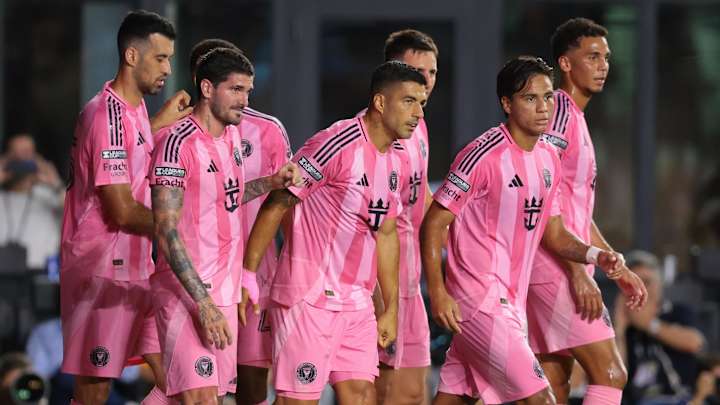
Up stepped Suárez for the second time of the night. The Uruguayan striker, known for his composure in high-stakes moments, struck low and hard to the opposite corner. Guzmán guessed right this time, but the power of the shot beat him. Miami led 2-1 with only minutes remaining.
The stadium shook with celebration as Suárez raised his arms toward the crowd—a gesture of both triumph and relief. Miami had reclaimed their advantage at the death.
Stoppage Time: Holding the Line
The final minutes tested every ounce of Miami’s resilience. Tigres threw everything forward—crosses, long throws, and even Guzmán joined the attack for a final corner kick.
In stoppage time (90+4’), Gignac nearly found the equalizer with a flicked header that grazed the post. The collective gasp from both sets of fans captured the tension of the night. Moments later, the referee’s whistle blew, confirming Miami’s victory and passage to the semifinals.
Players collapsed to the turf, exhausted but elated. It was a victory built not only on skill but on composure under pressure—a hallmark of championship-level teams.
Tactical Breakdown

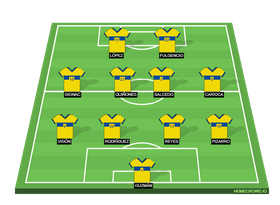
Inter Miami (4-3-3)
Strengths: Controlled transitions through Busquets; clinical finishing by Suárez; full-backs Alba and Yedlin contributing overlapping runs.
Weaknesses: Vulnerable to quick counters; reliance on aging stars for tempo control.
Tigres UANL (4-2-3-1)
Strengths: Compact defensive shape; effective midfield rotation; Correa’s creativity and energy.
Weaknesses: Struggled to contain width; over-reliance on Gignac’s aerial ability; lapses in discipline.
Tata Martino’s decision to maintain structure and trust experience proved decisive. Even without Messi, Miami’s veterans demonstrated adaptability, turning defensive discipline into attacking opportunities.
Key Players and Performances
Luis Suárez: The man of the match. Two penalties, both taken with precision and confidence. His leadership kept Miami composed during tense moments.
Óscar Ustari: The unsung hero. His 75th-minute save and late interventions preserved Miami’s lead.
Ángel Correa: Tigres’ brightest spark, scoring the equalizer and constantly threatening Miami’s back line.
Sergio Busquets: Controlled rhythm and tempo despite heavy pressing from Tigres. His experience was vital in organizing Miami’s midfield.
Post-Match Reactions
After the final whistle, Suárez dedicated the win to Messi, telling reporters:
“Leo may not have been on the pitch, but he was with us in spirit. This victory is for him and for our fans who never stopped believing.”
Coach Tata Martino praised his side’s resilience:
“We played mature football. The team showed character, and that’s what wins knockout matches. Every player gave everything.”
Tigres manager Siboldi, gracious in defeat, acknowledged Miami’s composure:
“We lost to a team that knows how to handle pressure. We’ll learn and come back stronger.”
Aftermath: Miami’s Path Forward
The win propelled Inter Miami into the semifinals of the 2025 Leagues Cup, setting up a possible showdown with LAFC or CF Monterrey. The victory also reinforced Miami’s evolution from a star-centric side to a balanced team capable of grinding out results.
For Tigres, the loss marked another heartbreak in international competition. Despite dominating phases of play, they were undone by defensive lapses and moments of indiscipline.
Still, the encounter underscored why matches between MLS and Liga MX teams continue to captivate fans across North America—high stakes, emotional intensity, and storylines that transcend leagues.
New Insight: What This Win Reveals About Inter Miami’s Evolution
Beyond the scoreline, this quarterfinal offered a revealing snapshot of how Inter Miami have matured as a competitive force. Earlier iterations of the club were often defined by moments of individual brilliance, particularly from Messi, but this victory showcased a deeper tactical identity. Miami demonstrated an ability to absorb pressure, manage game tempo, and capitalize on decisive moments—traits traditionally associated with seasoned continental contenders. The leadership spine of Suárez, Busquets, and Alba provided calm during Tigres’ strongest spells, while younger players like Cremaschi contributed energy and balance late in the match. Crucially, Miami’s discipline without the ball highlighted improved defensive organization, something that had previously been questioned against elite opponents. This blend of experience and youth suggests the club is transitioning from a headline-driven project into a structurally sound team capable of sustained success. As MLS clubs continue to test themselves against Liga MX powerhouses, matches like this reinforce that progress is no longer theoretical—it is tangible on the pitch. For Miami, the semifinal berth is not just another step in the tournament, but a statement that their growth curve is accelerating at exactly the right time.
Statistical Snapshot
CATEGORY | INTER MIAMI | TIGRES UANL
Possession | 52% | 48%
Shots (on target) | 11 (5) | 13 (4)
Fouls | 14 | 16
Yellow Cards | 3 | 4
Corners | 5 | 6
Expected Goals (xG) | 1.9 | 1.4
These numbers tell a deeper story: while Tigres managed slightly more total attempts, Miami were more efficient and decisive in the final third—an advantage that ultimately separated the two sides.
Fan and Media Reaction
Fans flooded social media with reactions, praising Suárez’s heroics and the team’s ability to win without Messi.
ESPN called it “a masterclass in veteran leadership.”
Reuters highlighted how Miami “found belief in the absence of their star.”
MLS Soccer described the night as “a turning point for Miami’s identity as a resilient contender.”
For Tigres supporters, the disappointment was palpable, but many acknowledged their team’s effort. On Mexican football blogs, fans debated tactical choices—especially the decision to play conservatively in the first half.
Legacy and Impact
The 2025 quarterfinal will likely be remembered as one of the defining matches of Inter Miami’s short but eventful history. It showcased not only the global appeal of MLS but also the intensity of its growing rivalry with Liga MX clubs.
From a broader perspective, the game symbolized the shift in North American football dynamics. Inter Miami’s triumph, achieved without Messi, demonstrated that MLS clubs can now compete and win through depth, structure, and tactical maturity.
For Tigres, the result will sting, but it also reinforces their role as standard-bearers for Mexican football. Their consistency at this level continues to elevate the stature of Liga MX internationally.
Conclusion
The Inter Miami vs Tigres UANL timeline reads like a script from a football drama—early breakthroughs, late heartbreaks, and moments of redemption. Suárez’s double from the spot will be replayed in highlight reels for years, not just for its precision, but for what it represented: experience triumphing over adversity.
As Inter Miami look ahead to the semifinals, they carry with them more than momentum—they carry belief. Belief that this team, forged from global stars and homegrown youth, can continue to rewrite the narrative of North American football.
For Tigres, their journey ends in heartbreak but not failure. They fought fiercely and left an indelible mark on the tournament. Both teams, in their own way, contributed to a night that will live long in memory.
And as the final whistle echoed across Chase Stadium, one thing became clear: the rivalry between MLS and Liga MX is far from over—it’s only just beginning.
Written for: Empire Magazines
Frequently Asked Questions (FAQs)
Was VAR decisive in the Inter Miami vs Tigres UANL match?
Yes. Both of Inter Miami’s goals came from penalties awarded after VAR reviews, making video officiating a crucial factor in the final outcome.
How important was this win for Inter Miami’s long-term project?
The victory highlighted Miami’s ability to win without relying solely on Lionel Messi, signaling a more balanced and sustainable team structure.
Did Tigres UANL outperform Inter Miami statistically?
Tigres had more total shots and corners, but Inter Miami were more efficient, especially from set-piece situations, which ultimately decided the match.
Could these teams meet again soon?
Given their regular participation in continental competitions, another Inter Miami vs Tigres UANL clash in future Leagues Cup or CONCACAF tournaments remains highly likely.