1. The Evolution of Saga Cruises and the Rise of Boutique Ocean Travel
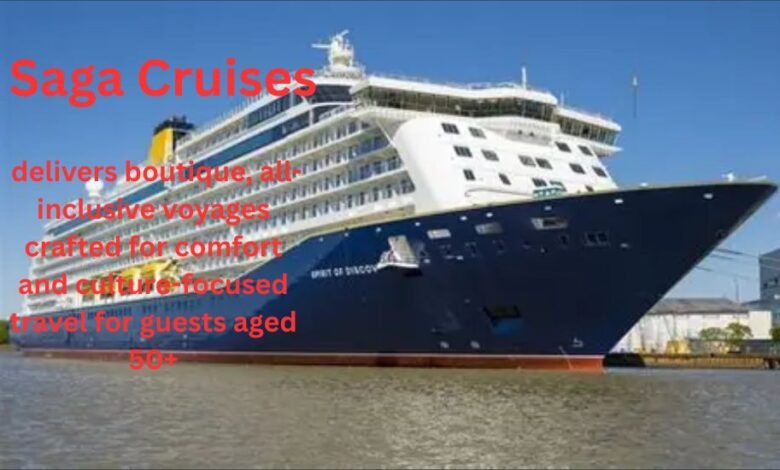
Saga Cruises has long represented a distinctive corner of the maritime travel world, carving out a place that blends heritage, innovation, and a uniquely targeted identity. Established in the late 1990s, the brand emerged not from an attempt to compete with mega-ships or mass-market cruise lines but from a vision to create something intentionally smaller, calmer, and more personal—a vision rooted in an understanding of the preferences and priorities of the mature traveler. While many cruise operators took the path of building floating cities capable of hosting thousands on board, Saga charted a different course: boutique-style ocean vessels designed to deliver comfort, simplicity, and refined service. The company’s journey began with the acquisition of older, character-rich ships, which provided a classic cruising experience reminiscent of the golden age of ocean voyages. Over time, however, Saga undertook one of the most ambitious transformations in its history by designing and commissioning new, purpose-built vessels—Spirit of Discovery and Spirit of Adventure—ushering in a new era defined by elegance, engineering precision, and elevated guest experiences. This evolution has allowed Saga Cruises to retain its essence while meeting the expectations of modern travelers who seek both tradition and contemporary comfort.
The development of Saga Cruises cannot be understood without examining its target audience: travelers aged 50 and above. This demographic has often been underserved in the cruise industry, where much emphasis is placed on family-friendly entertainment, high-energy nightlife, and resort-style onboard attractions. Saga recognized early that older travelers—many of whom possess greater travel experience, purchasing power, and a desire for cultural enrichment—preferred a calmer, more structured approach to ocean travel. By catering exclusively to guests aged 50+, Saga removed much of the unpredictability associated with large, multi-generational ships. Instead, it cultivated an environment where passengers share similar expectations surrounding pace, comfort, and social engagement. From its earliest days, this approach set Saga apart, building a loyal customer base that valued quiet sophistication over spectacle. As the years progressed, the brand expanded into river cruising, offering European itineraries along scenic waterways like the Rhine, Danube, and Moselle, which further solidified its reputation for curated travel experiences. The combination of ocean and river voyages enriched Saga’s portfolio and broadened the possibilities for guests seeking depth, culture, and scenic travel without the hurriedness often found on mainstream cruises.
Saga’s transformation from operating older, refurbished liners to launching two state-of-the-art boutique ships represents a major milestone not only for the company but for the cruise industry itself. Spirit of Discovery and Spirit of Adventure reflect the culmination of Saga’s vision: spacious cabins—every one with a private balcony—high crew-to-passenger ratios, sophisticated cuisine, curated entertainment, and décor that feels more akin to an upscale British hotel than a typical cruise ship. Each ship is intentionally mid-sized, carrying fewer than 1,000 guests, which enhances the sense of intimacy and personalized service. This human scale fosters community while still offering ample room for relaxation, exploration, and leisure. Saga’s evolution has been marked by a balance of tradition and innovation, respecting the classical elements of ocean travel while integrating modern amenities and design. This blend allows the cruise line to remain both nostalgic and progressive, appealing to seasoned travelers seeking meaningful, well-paced journeys. As Saga moves forward, its story remains a testament to the power of specialization and the enduring appeal of tailored travel experiences.
2. The Saga Experience: All-Inclusive Comfort, Refined Hospitality, and Purpose-Built Design
At the core of the Saga cruising experience lies a philosophy deeply rooted in simplicity, comfort, and thoughtful service. Unlike many cruise lines that advertise low base fares only to introduce hidden costs later, Saga embraces a comprehensive all-inclusive model that eliminates uncertainty and enhances peace of mind. Guests enjoy chauffeur-driven transport to the port, porter services, onboard gratuities, specialty dining, WiFi, selected excursions, and drinks—all included. This clarity of pricing is not merely a marketing feature but a reflection of Saga’s understanding of its audience: mature travelers who prefer a seamless, stress-free experience. The all-inclusive concept extends to dining, where guests may indulge across multiple culinary venues, from elegant main restaurants to intimate specialty dining rooms offering global cuisines. The culinary program is designed to offer both familiarity and sophistication, providing comforting classics alongside experimental dishes inspired by destinations. For many passengers, dining becomes a highlight of the voyage—not because of extravagance but because of its consistency, quality, and thoughtful execution. The dining experience is further enhanced by attentive staff who develop relationships with guests, offering a level of recognition and personal engagement that larger ships simply cannot replicate.
The onboard environment of Saga’s ships contributes significantly to the appeal of the brand. Spirit of Discovery and Spirit of Adventure represent a design philosophy where each space serves a purpose and evokes a warm, inviting atmosphere. Lounges are adorned with soft lighting, contemporary art, and comfortable seating. The theaters feature production shows, guest lectures, and musical performances tailored to the tastes of passengers who value culture and enrichment over spectacle. Outdoor decks provide quiet spaces for reading, strolling, or simply watching the sea unfold in all its changing beauty. Spa and wellness facilities offer massages, fitness classes, and relaxation treatments that cater to guests seeking rejuvenation. Rather than creating a casino-driven, nightlife-heavy environment, Saga’s ships cultivate serenity, elegance, and sociability. This curated onboard life aligns perfectly with the expectations of its demographic, offering opportunities for engagement—from trivia and craft workshops to classical music recitals—without overwhelming guests with excessive noise or large crowds. The result is a measured, balanced atmosphere where guests can socialize, relax, or explore at their preferred pace.
Another defining feature of the Saga experience lies in its itineraries and destination philosophy. Saga crafts routes that celebrate culture, geography, and history rather than prioritizing volume-driven ports or overly commercialized stops. Its ocean cruises span the Mediterranean, Northern Europe, the Caribbean, the British Isles, Scandinavia, and beyond, each itinerary designed with a sense of depth and intention. The shore excursions reinforce this approach, often focusing on local heritage, culinary traditions, cultural landmarks, and immersive storytelling. Saga’s river cruises offer an even more intimate connection with destinations, allowing guests to glide along some of Europe’s most scenic waterways while docking directly in the heart of towns and cities. This slow-travel approach appeals to travelers who seek connection rather than rush, who prefer exploration over entertainment, and who value understanding a place rather than simply visiting it. Combined with the luxury of well-designed vessels and the simplicity of all-inclusive travel, Saga’s itineraries create a sense of authenticity and refinement that has become central to the brand’s identity. Through its considered approach to destination selection and onboard experiences, Saga Cruises continues to offer voyages that are not only memorable but deeply enriching.
3. Reviews, Criticisms, Brand Positioning, and Saga’s Place in Modern Travel Culture
No exploration of Saga Cruises is complete without examining the mixed but generally positive reception the brand receives from travelers, critics, and the broader cruise community. Many passengers praise the smooth, seamless experience that begins long before boarding—from chauffeur-driven transfers to intuitive embarkation processes. Once on board, reviewers often highlight the attentive service, comforting ambiance, high-quality accommodations, and reliability of the all-inclusive model. The balcony cabins in particular receive frequent acclaim for their spacious design, tasteful décor, and thoughtful layout. Furthermore, passengers appreciate the consistency of service across both ocean and river vessels—a remarkable achievement given the diversity of itineraries and teams. The entertainment programs, while not extravagant, are commended for their cultural depth, featuring classical musicians, guest lecturers, writers, historians, and performers who cater to an audience seeking enrichment rather than high-energy spectacle. For many, a Saga cruise feels like staying in a refined British hotel that just happens to float from one destination to the next, carrying with it a sense of continuity, comfort, and belonging. This alignment between expectation and experience has built a loyal base of repeat guests who return not just for the destinations but for the familiar environment and warm hospitality.
However, Saga Cruises is not without criticisms, and these provide valuable insight into its limitations and opportunities. Some guests have expressed concerns about the consistency of dining service, noting occasional lapses in timing or formality, particularly in main dining rooms during peak hours. Others mention that while the ships are beautifully designed, the entertainment may feel subdued to travelers accustomed to larger cruise lines with grand productions. Dietary accommodation—particularly for gluten-free or allergy-sensitive guests—has also drawn occasional criticism, with some reviews claiming that Saga could improve both variety and attentiveness in this area. Additionally, Saga’s niche focus means it is not the right fit for everyone; travelers seeking multi-generational experiences, high-energy nightlife, or expansive onboard attractions may find the atmosphere too quiet or the pace too leisurely. Yet most of these critiques exist alongside acknowledgments of the brand’s strengths, suggesting not fundamental flaws but areas where expectations differ based on personal preference. When understood within the broader context of Saga’s mission and target audience, these criticisms become understandable reflections of the challenge inherent in serving a specialized demographic with diverse needs and expectations.
Saga’s place in the modern travel landscape is increasingly significant as demographic shifts and cultural trends reshape the cruise industry. With global populations aging and more travelers over 50 seeking immersive, comfortable holidays, Saga is uniquely positioned to continue thriving. Its boutique model aligns with a growing preference for smaller, more intimate travel experiences and responds directly to the desires of a market that prioritizes quality, safety, comfort, and cultural depth. Saga’s commitment to innovation—reflected in the construction of modern ships, enhanced service training, and curated itineraries—shows a brand that is not merely maintaining tradition but redefining it. Looking ahead, Saga’s future will likely be shaped by continued investment in guest experience, expanding river cruise offerings, and deepening its focus on premium all-inclusive travel. For readers and travelers seeking insight into the cruise world—particularly the specialized world of mature, boutique ocean journeys—Saga Cruises stands as a compelling case study in how a brand can remain both timeless and timely. As this exploration concludes, travelers interested in broader lifestyle and travel discussions can find related articles, insights, and industry perspectives on Empire Magazines, where luxury, culture, and travel converge.
FAQs About Saga Cruises
1. What is Saga Cruises best known for?
Saga Cruises is best known for its boutique, all-inclusive ocean and river cruises exclusively designed for travelers aged 50 and above. The brand focuses on comfort, elegance, and culturally enriching travel rather than large-scale entertainment.
2. Who can travel on Saga Cruises?
Saga cruises are primarily for guests aged 50+. Those under 50 may travel only if accompanying someone who meets the age requirement. This ensures a calm, mature, and relaxed travel atmosphere.
3. What is included in a Saga cruise?
Saga offers an all-inclusive experience that typically covers chauffeur-driven transport to the port, onboard gratuities, all meals, drinks, selected excursions, WiFi, room service, and porterage. Some itineraries also include complimentary travel insurance.
4. Are Saga’s ships new?
Yes. Saga’s newest ocean ships — Spirit of Discovery (2019) and Spirit of Adventure (2021) — are purpose-built, mid-sized boutique vessels featuring balcony cabins, high-end dining, elegant lounges, and modern leisure facilities.
5. Does Saga offer river cruises as well?
Saga operates several river cruises across Europe’s most scenic waterways, including the Rhine, Moselle, Danube, and the Dutch & Belgian waterways. These cruises focus on culture, landscape, and immersive, slow-paced travel.
6. Is Saga good for solo travelers?
Absolutely. Saga Cruises offers a wide selection of single-occupancy cabins and often runs special promotions for solo guests. The friendly onboard atmosphere is ideal for meeting like-minded travelers.
7. How formal is the dress code on Saga Cruises?
Saga maintains a smart-casual dress code. Some evenings may be designated as “formal nights,” where guests are encouraged to dress up, but overall, the atmosphere is elegant without being rigid.
8. What kind of entertainment is offered onboard?
Expect enrichment-focused entertainment: live classical music, guest lectures, theater shows, arts and craft sessions, trivia, and small music performances. Saga does not emphasize nightlife or high-energy entertainment.
9. Does Saga cater to special dietary needs?
Saga offers vegetarian, vegan, diabetic, low-sodium, and other common dietary accommodations. However, some guests have noted variability in options for allergies such as gluten-free dining, so it’s best to inform the cruise line in advance.
10. Is Saga Cruises worth the price?
For travelers seeking comfort, high-quality service, cultural enrichment, and a calm, mature environment, Saga Cruises offers excellent value. The all-inclusive model eliminates hidden costs, making it ideal for travelers who prefer clarity and convenience.