Tibia Mariner: A Quiet but Memorable Presence in Elden Ring

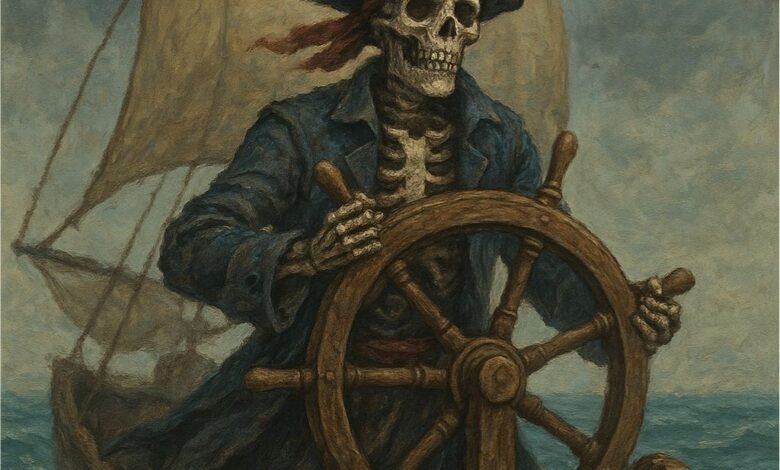
The Tibia Mariner is one of those encounters that does not rush at the player or overwhelm them with constant aggression, yet it leaves a lasting impression. In a world filled with towering knights, feral beasts, and fast-moving adversaries, this skeletal boatman stands apart through atmosphere rather than speed. Players often remember the first time they spot a ghostly vessel gliding over shallow water or marshy land, guided by a horn-blowing skeleton that seems more ritualistic than hostile. The Tibia Mariner feels less like a conventional boss and more like a wandering omen, quietly reinforcing the game’s themes of death, memory, and decay.
From a gameplay perspective, the Tibia Mariner is an optional enemy, meaning it does not block progress through the main story. That design choice is important, because it signals that this encounter is meant to reward curiosity rather than punish unprepared players. You can ignore it and move on, or you can choose to engage and gain useful items that connect to broader side quests. This balance makes the Tibia Mariner accessible to newcomers while still offering depth for players who enjoy exploring every corner of the world.
At Empire Magazines, we often look at how game design choices shape player experience, and the Tibia Mariner is a strong example of subtle design done right. It is not introduced with dramatic music or cutscenes. Instead, it emerges naturally from the environment, almost blending into the mist. This understated approach makes the encounter feel organic, as if the world would continue to exist in the same way whether or not the player ever crosses paths with this skeletal mariner.
Visual Design, Atmosphere, and First Impressions
Visually, the Tibia Mariner is instantly recognizable, yet not overly complex. A tall skeleton sits in a small, spectral boat, holding a horn and an oar-like weapon. The name itself hints at its design: “tibia” refers to a shinbone, reinforcing the skeletal theme, while “mariner” evokes imagery of sailors, ferrymen, and journeys across water. Together, these elements create a figure that feels symbolic rather than purely functional.
The environments where the Tibia Mariner appears are just as important as the enemy itself. These encounters often take place in shallow water, flooded ruins, or open fields where the ground feels unstable and exposed. The boat gliding across land breaks conventional expectations, subtly reminding players that the rules of this world are different. It is not meant to be logical in a real-world sense, but consistent within its own eerie logic.
Sound design also plays a major role. The deep, echoing horn call signals the Mariner’s presence long before it becomes a direct threat. This audio cue builds tension without forcing immediate combat. Players may hear the horn, look around, and slowly piece together what is happening. That moment of anticipation is part of what makes the encounter memorable. Instead of reacting on instinct, players are invited to observe and think.
There is also a thematic layer to this presentation. The Tibia Mariner resembles a ferryman of the dead, a figure found in many mythologies across cultures. While the game does not directly explain this role, the visual language is familiar enough that players intuitively grasp its meaning. This kind of indirect storytelling allows different players to interpret the encounter in their own way, which adds depth without relying on explicit exposition.
Combat Mechanics, Behavior, and Strategy
Mechanically, the Tibia Mariner is not designed to test reflexes in the same way as faster bosses. Instead, it challenges situational awareness and crowd control. The Mariner itself moves slowly, often drifting across the battlefield while performing wide, deliberate attacks. On its own, these attacks are manageable, but the encounter becomes more complex when summoned enemies enter the fight.
One of the defining traits of the Tibia Mariner is its ability to summon skeletal allies. These minions can quickly surround the player, creating pressure even if the main boss remains at a distance. This design encourages players to prioritize targets and manage space rather than focusing solely on raw damage output. It is less about landing perfect dodges and more about maintaining control of the battlefield.
Key aspects of the fight typically include:
-
Wide, sweeping attacks that punish players who stand directly in front for too long
-
Area-based effects that make positioning important
-
Summoned skeletons that can distract, block movement, or deal chip damage
Because of these elements, different playstyles approach the fight in different ways. Melee-focused characters often need to deal with summoned enemies quickly before committing to the Mariner itself. Ranged characters, on the other hand, can take advantage of the boss’s slow movement to attack from a safer distance, provided they remain aware of incoming minions.
The fight also subtly teaches resource management. Players who rush in without a plan may find themselves overwhelmed, while those who take a moment to observe patterns often find the encounter surprisingly manageable. This makes the Tibia Mariner a useful learning experience, especially for players still adjusting to the game’s pacing and expectations.
Importantly, the Tibia Mariner is not designed to be punishing. Its attacks are readable, and its damage output is fair relative to when players typically encounter it. This reinforces the idea that optional content should feel rewarding rather than frustrating. Success comes from patience and awareness, not from exploiting obscure mechanics or relying on excessive grinding.
Rewards, Progression, and Why the Encounter Matters
Defeating the Tibia Mariner provides more than just a sense of accomplishment. The rewards tied to this enemy often connect to broader progression systems, encouraging players to engage with side content. Rather than offering purely cosmetic or trivial items, the game uses this encounter to gently guide players toward deeper layers of the world.
One of the most notable rewards associated with the Tibia Mariner is an item linked to death-themed progression paths. This item can be delivered to a specific non-player character, opening up new interactions and rewards over time. In this way, the Tibia Mariner acts as an entry point into a longer narrative thread rather than a standalone challenge.
This design mirrors real-world systems where small, optional actions can unlock larger opportunities later on. For example, in a financial context, a modest early investment might not seem impactful at first, but over time it can open doors to more significant options. The Tibia Mariner functions in a similar way: the immediate reward may seem modest, but its long-term value becomes clearer as the game progresses.
The encounter also reinforces the importance of exploration. Players who rush through main objectives may never encounter the Tibia Mariner at all, while those who explore off the beaten path are rewarded with both items and context. This design philosophy respects player choice without penalizing different playstyles.
From a broader perspective, the Tibia Mariner adds texture to the world. It reminds players that not every threat exists solely to block progress. Some enemies exist to tell stories, connect systems, and make the world feel lived-in. Even after multiple playthroughs, encountering a Tibia Mariner can still feel atmospheric rather than routine.
Lore, Symbolism, and Interpretive Depth
The game does not provide a detailed backstory for the Tibia Mariner through direct exposition. Instead, it relies on visual cues, item descriptions, and environmental context to suggest meaning. This approach invites players to think and speculate rather than simply absorb information.
Symbolically, the Tibia Mariner aligns closely with themes of death and transition. The skeletal form represents mortality, while the boat suggests passage from one state to another. The act of summoning the dead reinforces the idea that this figure exists in a space between life and death, neither fully gone nor fully present.
This ambiguity is intentional. By avoiding explicit explanations, the game allows the Tibia Mariner to serve multiple narrative functions at once. Some players may view it as a guardian of lost souls, while others may interpret it as a remnant of a broken system that no longer serves its original purpose. Both interpretations can coexist without contradiction.
The environments where the Tibia Mariner appears also support this layered storytelling. Flooded villages, abandoned ruins, and desolate landscapes all suggest places where life once existed but has since faded. The Mariner’s presence in these locations feels appropriate, as if it is drawn to places marked by loss and abandonment.
From a storytelling standpoint, this kind of indirect lore is effective because it respects player intelligence. Rather than spelling everything out, it provides pieces of a puzzle and trusts players to assemble their own conclusions. This method of narrative design has become a defining feature of the genre, and the Tibia Mariner is a clear example of how even minor encounters can contribute meaningfully to the overall world.
At Empire Magazines, we often highlight how symbolism in games can elevate simple mechanics into memorable experiences. The Tibia Mariner demonstrates that even a relatively straightforward optional boss can carry thematic weight when design, atmosphere, and placement work together.
The Role of Tibia Mariner in the Larger Game Experience
When viewed in isolation, the Tibia Mariner might seem like a minor diversion. However, its true value becomes clear when considered as part of the larger game ecosystem. It supports exploration, reinforces themes, introduces progression systems, and offers a change of pace from more aggressive encounters.
The encounter also contributes to pacing. After intense battles with fast, relentless enemies, facing a slower, more deliberate foe can feel refreshing. This variation prevents fatigue and keeps the gameplay experience dynamic. It shows an understanding that tension does not always come from speed or difficulty, but from atmosphere and anticipation.
For new players, the Tibia Mariner can serve as a confidence-building encounter. It teaches important lessons about positioning, awareness, and patience without overwhelming the player. For experienced players, it offers a familiar but still engaging fight that reinforces the world’s consistency.
In the end, the Tibia Mariner succeeds because it knows what it is meant to be. It does not try to overshadow major story bosses or redefine combat mechanics. Instead, it quietly enriches the world, rewards curiosity, and leaves room for interpretation. That restraint is what makes it memorable.
Conclusion
The Tibia Mariner stands as a thoughtful example of how optional content can add depth without demanding attention. Through its distinctive design, measured combat, meaningful rewards, and symbolic presence, it enhances the overall experience in subtle ways. Rather than pushing players forward, it invites them to pause, observe, and engage on their own terms. In a game world defined by challenge and mystery, the Tibia Mariner proves that sometimes the quiet encounters are the ones that linger the longest.
Frequently Asked Questions (FAQs)
What is Tibia Mariner?
Tibia Mariner is an optional boss enemy found in the game Elden Ring. It appears as a skeletal figure riding a ghostly boat and uses summoning and area-based attacks rather than fast, aggressive combat.
Is Tibia Mariner mandatory to defeat?
No, Tibia Mariner is not required to complete the main storyline. Players can choose to fight it for rewards and exploration value, or ignore it and continue progressing.
Why does Tibia Mariner ride a boat on land?
The boat is a symbolic design choice rather than a realistic one. It reflects themes of death, transition, and wandering spirits, reinforcing the eerie atmosphere of the world.
What makes Tibia Mariner different from other bosses?
Unlike many bosses that rely on speed and heavy pressure, Tibia Mariner focuses on slow movement, wide attacks, and summoning skeletal enemies, encouraging strategic positioning and awareness.
Does Tibia Mariner summon other enemies?
Yes, Tibia Mariner can summon skeletons during the fight. These summons add complexity by distracting the player and creating pressure from multiple directions.
What kind of combat style works best against Tibia Mariner?
Both melee and ranged styles can work well. The key is managing summoned enemies, maintaining distance when needed, and avoiding being surrounded.
What rewards do you get for defeating Tibia Mariner?
Defeating Tibia Mariner provides runes and special items connected to death-related progression paths, which can unlock additional interactions later in the game.
Are there multiple Tibia Mariner encounters?
Yes, Tibia Mariner can appear in more than one location, with each encounter feeling slightly different due to terrain and surrounding enemies.
Is Tibia Mariner considered a difficult boss?
Tibia Mariner is generally considered manageable, especially compared to major bosses. Its attacks are slow and readable, making it more about patience than reflex speed.
Does Tibia Mariner have lore significance?
While the game does not directly explain its full backstory, Tibia Mariner is widely interpreted as a symbolic ferryman of the dead, fitting into the game’s broader themes of death and decay.
Empire Magazines