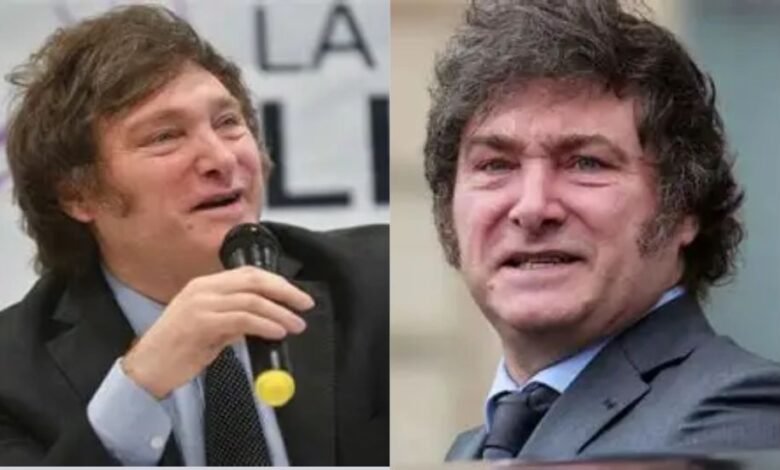
If you’ve searched for verdadero apellido de javier milei, you’re not alone. The phrase has circulated widely online, especially on social platforms and discussion forums. At first glance, it sounds like a simple biographical question. But in practice, it reflects something deeper: how rumors, political polarization, and curiosity about public figures can mix into confusing narratives.
Javier Milei is one of the most talked-about political figures in Latin America in recent years. His confrontational style, economic ideas, and rapid rise to power have made him a constant topic of debate. When public attention intensifies this much, personal details—such as family background or surnames—often become part of the conversation.
It’s important to start with a clear foundation. According to public civil records and widely available biographical information, Javier Milei’s legal name is Javier Gerardo Milei. His surname, as officially registered, is Milei. There is no public documentation showing a different legal surname at birth or a formal name change later in life.
So why does the question keep coming back?
Because the phrase “verdadero apellido” suggests doubt, mystery, or concealment—even when no verified evidence supports that idea. This is a common pattern in modern political discourse: questions framed in a way that implies something hidden, even when facts are straightforward.
In this piece for Empire Magazines, we’ll explore where these claims came from, why they spread, and what verifiable information actually shows—without speculation, exaggeration, or accusations.
Where the rumor about a “real surname” came from
The rumor surrounding verdadero apellido de javier milei did not originate from official records or investigative reporting. Instead, it emerged from informal online spaces—social media posts, anonymous comments, and political memes.
At the center of the claim is the idea that “Milei” is not his original surname and that it was allegedly changed at some point in his family history. Versions of the rumor vary, but they often share three characteristics:
-
They rely on unnamed sources
-
They provide no official documents
-
They spread rapidly during political controversy
This pattern isn’t unique. When someone becomes highly visible, especially in politics, similar claims appear regardless of ideology. A useful comparison is how celebrities are sometimes accused of hiding their “real age” or executives are rumored to have secret business failures—claims that sound intriguing but collapse under scrutiny.
From a legal standpoint, surnames are not casual labels. They are part of civil identity, tied to birth certificates, national registries, and legal documents. Changing a surname typically requires a formal process and leaves a paper trail. If such a change had occurred in this case, it would be reflected in accessible public records.
So far, no such record has been presented.
That absence matters. In journalism and research, the burden of proof lies with those making the claim—not with others to disprove speculation.
What official records and verified sources actually show
When evaluating claims like verdadero apellido de javier milei, the most reliable approach is simple: check what can be verified.
Publicly available records consistently identify:
-
Full name: Javier Gerardo Milei
-
Surname: Milei
-
Paternal surname: Milei
There is no contradiction between electoral records, professional history, or legal documentation. His academic background, employment history, and political career all use the same surname consistently over decades.
This matters because consistency across time is one of the strongest indicators of authenticity. If a surname had been altered, earlier records—school enrollment, professional registrations, or early media appearances—would likely reflect discrepancies.
They do not.
To explain this more simply, imagine a fictional example: if someone spent 30 years signing contracts, diplomas, and tax forms under one name, and suddenly a claim appears saying that name was “fake,” credible evidence would need to show earlier documents with a different identity. Without that, the claim remains speculation.
Another important distinction is ancestry versus surname. Families may have diverse cultural or ethnic roots without those roots being reflected directly in a last name. This is common across many countries and does not imply deception or hidden identity.
Why these claims gain traction in political environments
Even when facts are clear, rumors can feel persuasive—especially during intense political moments. Understanding why helps explain the persistence of searches like verdadero apellido de javier milei.
Political psychology offers a few key insights:
-
High visibility invites scrutiny: The more public a figure becomes, the more people dig into personal details.
-
Polarization amplifies suspicion: Supporters and critics often interpret the same information differently.
-
Narratives spread faster than documents: A compelling story travels further than a scanned record.
In online spaces, emotionally charged claims tend to outperform neutral facts. A post implying secrecy or identity concealment feels dramatic, even if it lacks evidence. Over time, repetition alone can give such ideas the illusion of credibility.
This is why responsible publications, including Empire Magazines, emphasize verification over virality. Writing about public figures carries ethical weight, especially when discussing identity, heritage, or family history.
It’s also worth noting that misinformation doesn’t always come from malicious intent. Sometimes it grows from misunderstanding, mistranslation, or exaggeration—particularly when content jumps across languages and cultures.
The key takeaway here is not just about one individual, but about how readers can approach similar claims in the future: pause, look for documentation, and separate curiosity from assumption.
What “verdadero apellido” really means in legal and factual terms
The phrase verdadero apellido suggests there is a “true” name hidden behind a public one. Legally speaking, this concept is far more limited than online discussions imply.
From a legal perspective:
-
A person’s “true surname” is the one recognized by civil authorities.
-
Cultural, ancestral, or historical names do not override legal identity.
-
Informal claims without records have no legal standing.
To clarify with a neutral analogy: imagine a family whose grandparents emigrated and adapted their surname spelling over generations. The current spelling becomes the legal identity, regardless of earlier variations. That does not make the modern name “false.”
In the case of Javier Milei, Milei is the surname recognized by law, institutions, and official documentation. That makes it, by definition, his real surname.
This distinction is essential for maintaining factual accuracy and avoiding harmful speculation. Questioning someone’s legal identity without evidence can cross ethical lines, especially when amplified at scale.
Final thoughts
The search for verdadero apellido de javier milei reflects curiosity, controversy, and the modern information environment more than it reflects any unresolved mystery.
All verifiable evidence points to a straightforward conclusion: Javier Milei’s legal and real surname is Milei. Claims suggesting otherwise lack documentation and rely on repetition rather than proof.
In an era where rumors can spread faster than records, taking a moment to check what is actually known makes all the difference. Clear facts, calm analysis, and respect for evidence remain the most reliable tools—both for readers and for publishers like Empire Magazines.
FAQs: Verdadero apellido de Javier Milei
What is the verdadero apellido de Javier Milei?
The verdadero apellido de Javier Milei is Milei. His full legal name is Javier Gerardo Milei, as shown in public and official records.
Is there any proof that Javier Milei had a different surname?
No. There is no verified public documentation showing that Javier Milei ever had a different legal surname or that he officially changed it.
Why do some people claim his “real” surname is different?
The claim originated mainly on social media and political discussions. These claims do not include official records, legal filings, or credible evidence, which is why they are considered unsubstantiated rumors.
Does ancestry affect a person’s legal surname?
No. A person may have diverse cultural or ancestral roots, but their legal surname is the one registered with civil authorities. Ancestry alone does not change or override a legal last name.
Has Javier Milei ever publicly confirmed another surname?
No. Throughout his academic career, professional work, and political life, he has consistently used the surname Milei, with no public statements confirming any alternative surname.
Is it common for public figures to face rumors about their names?
Yes. When individuals become highly visible—especially in politics—personal details like names, family background, or identity often become targets of speculation, even when records are clear.
How can readers verify claims about someone’s surname?
The safest way is to rely on:
-
Official civil records
-
Electoral or government documentation
-
Long-term consistency across professional and legal history
Claims without such evidence should be treated cautiously.
Is discussing “verdadero apellido” harmful?
It can be, if it’s done without evidence. Speculating about someone’s identity without factual support can spread misinformation and distract from substantive public discussion.