When people imagine Los Angeles, they picture sun-soaked beaches, winding canyon roads, palm-framed views, and that laid-back luxury vibe the city is famous for. But if you narrow that image down to one specific place — a pocket of coastline where the ocean meets the mountains, where upscale living blends with wild natural beauty — you’ll find yourself thinking of Pacific Palisades.
But where exactly is Pacific Palisades, and why does its location inspire everything from Hollywood dreams to real-estate envy? Let’s dig deep into its geography, neighboring districts, lifestyle, history, accessibility, and the unique character that defines this coastal gem on the western edge of Los Angeles.
A Clear Answer: Where Is Pacific Palisades?
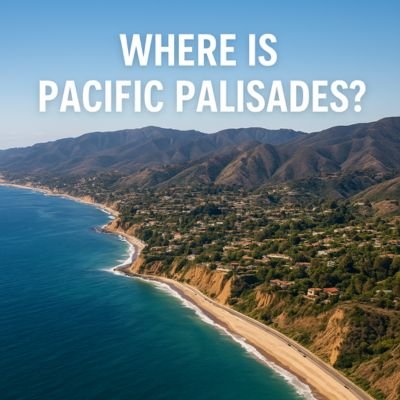
Pacific Palisades is a residential coastal neighborhood on the Westside of Los Angeles, situated roughly 20 miles west of Downtown L.A. Nestled between the Santa Monica Mountains and the Pacific Ocean, it is bordered by:
- Santa Monica to the southeast
- Brentwood to the east
- Topanga and Malibu to the west and northwest
- The Pacific Ocean (Santa Monica Bay) to the south
It stretches along a scenic three-mile coastline, with elevated bluff points and canyon landscapes creating a rare blend of seaside openness and mountain seclusion.
Its exact location places it right at the intersection where Los Angeles’ coastal culture meets rustic, rugged, Southern California canyon geography. This dual identity sets Pacific Palisades apart from other L.A. neighborhoods and gives the area a sense of quiet prestige and visual drama.
How the Geography Shapes the Palisades Identity
Pacific Palisades isn’t just a dot on a map — its entire character stems from its unique geography.
1. The Mountains Behind It
To the north rise the Santa Monica Mountains, which form a natural wall of greenery, hiking trails, and protected parks. This mountain presence shields the neighborhood from the speed of city life and gives it an almost retreat-like atmosphere.
Top trails include:
- Los Leones Trail
- Temescal Canyon
- Will Rogers State Park
- Rustic Canyon
Because of these mountains, homeowners and visitors often experience refreshing breezes, panoramic viewpoints, and the kind of escape-from-the-city energy you’d expect from a coastal town two hours away — not one that’s technically still part of Los Angeles.
2. The Ocean at Its Feet
On the opposite side lies the vast blue expanse of the Pacific Ocean. Many homes sit on cliffs or ridges that offer unobstructed views straight into Santa Monica Bay.
This close proximity to the ocean defines the Palisades’ climate:
- Warm, dry summers
- Mild, comfortable winters
- Cool marine breezes
- Little humidity
- Frequent morning coastal fog (the “June Gloom” locals know well)
This “mountains-meet-the-sea” environment is one reason the neighborhood has long held appeal for artists, actors, writers, and families seeking a picturesque lifestyle.
A Look Back: How the Palisades Became the Palisades
Pacific Palisades today feels like a polished coastal enclave, but it has a rich history that shaped its modern reputation.
Early Beginnings
Before modern development, the land was home to Indigenous Tongva communities. The area’s proximity to water and mountain resources made it an ideal location for settlement.
The 1920s: The Birth of a Community
The modern Pacific Palisades was founded in 1922 by Methodist settlers who saw the land as the perfect setting for a religious and intellectual community. They purchased the area and began building cottages, gathering halls, and communal spaces.
Although that religious identity faded over the decades, it laid the groundwork for the neighborhood’s later reputation as a peaceful, close-knit community.
Hollywood Arrives (Quietly)
Through the mid-20th century, writers, performers, and screen actors began moving into the Palisades because it offered:
- Proximity to studios
- Ocean breezes
- Privacy
- Space to create and rest
Many preferred it to the more paparazzi-dense parts of Beverly Hills or Hollywood.
The Growth of “The Village”
The Palisades Village — today an upscale retail and dining hub — originally began as a modest town center serving the local residents. Over decades, it evolved into the neighborhood’s beating heart, attracting boutiques, cafes, wellness studios, and high-end markets.
This growth helped solidify Pacific Palisades as a place where coastal small-town charm meets quiet luxury.
Neighborhoods Within the Neighborhood
Pacific Palisades is made up of distinctive sub-areas, each with its own vibe and geography:
1. The Riviera
One of L.A.’s most prestigious addresses.
Known for: grand estates, golf course views, and ultra-private hillside homes.
2. The Via Bluffs
Homes overlooking the ocean with direct access to bluffs and walking paths.
3. The Huntington Palisades
Just above the Village, known for walkable streets and close proximity to shops and dining.
4. Palisades Highlands
High in the mountains with cooler air, gated communities, and sweeping ocean-to-valley views.
5. Rustic Canyon
Known for its large, wooded lots and artistic, organic architectural styles.
Each area contributes a different flavor to the overall Palisades identity.
What’s Near Pacific Palisades? Understanding Its Surroundings
Knowing where Pacific Palisades is on the map helps make sense of its lifestyle and transportation flow.
1. Santa Monica: 5–10 Minutes Away
A large shopping, beach, and nightlife center. Many Palisades residents go here for:
- Beach access
- Nightlife
- Shopping at Santa Monica Place
- Restaurants and entertainment
- Pier and promenade attractions
2. Malibu: 10–15 Minutes West
The Palisades essentially sits at the gateway to Malibu. Residents can easily hop onto Pacific Coast Highway (PCH) and reach Malibu’s beaches, hiking trails, and restaurants in minutes.
3. Brentwood: 10 Minutes East
This neighboring upscale area complements the Palisades with additional shops, restaurants, and a more urban-suburban blend.
4. Downtown L.A.: ~20 Miles Away
While technically far in distance, the Palisades feels like a peaceful escape from Los Angeles’ central districts.
Why the Location Matters So Much
Pacific Palisades’ precise location is the main reason for its:
- High property values
- Quiet, exclusive ambiance
- Outdoor lifestyle
- Desirability among families and professionals
Its position between mountains and water also shapes the community culture — outdoorsy, scenic, active, but also elegant and relaxed.
Residents can:
- Surf in the morning
- Hike canyon trails at noon
- Walk to the Village in the afternoon
- Watch a sunset from an ocean bluff
There aren’t many places in L.A. where all of this fits so naturally into daily life.
How to Get to Pacific Palisades
If you’re writing a travel guide or simply want practical directions, here’s how most people reach the Palisades:
From LAX
- Take the 405 North to Sunset Blvd
- Or follow Lincoln Blvd (a slower but more scenic option)
Approx. travel time: 25–40 minutes
From Santa Monica
- Drive west on San Vicente Blvd or along Pacific Coast Highway
Travel time: 5–10 minutes
From Downtown Los Angeles
- Take the 10 West → Pacific Coast Highway
Travel time: 25–45 minutes
Traffic varies, but the Palisades is close enough to major city centers while still feeling removed from them.
Lifestyle: What It Feels Like to Live in Pacific Palisades
If you’re trying to describe the Palisades to your readers, think:
- Clean, peaceful streets
- Minimal nightlife but plenty of wellness
- Hikes, ocean breezes, dog-walking paths
- Luxury homes in low-key packaging
- A town-center feel, despite being part of a major city
- A strong sense of community and safety
The neighborhood is particularly appealing to families, creatives, retirees, and professionals who want nature without sacrificing city access.
Is Pacific Palisades Worth Visiting?
Absolutely — especially if you like:
- Beaches with fewer crowds
- Hiking with ocean views
- Quiet coffee shops and boutiques
- Scenic drives along PCH
- Watching waves crash against rocky shores
Visitors often fall in love with the area precisely because it feels like a secret hideaway within a massive metropolis.
Why the Question “Where Is Pacific Palisades?” Has Become So Popular
Search interest around the neighborhood has surged in recent years, and for good reason:
- Social media influencers post photos from local lookout points.
- Real estate enthusiasts spotlight multimillion-dollar homes.
- Tourists look for places quieter than Santa Monica or Venice.
- Locals seek neighborhoods with outdoor space and walkability.
This rise in curiosity makes it a perfect topic for travel blogs, lifestyle publications, and real-estate platforms — including sites like Empire Magazines, where readers look for lifestyle-rich, location-based insights.
Final Thoughts
So, where is Pacific Palisades?
It’s right where the Pacific Ocean meets the Santa Monica Mountains, tucked gently between Malibu and Santa Monica on the western edge of Los Angeles. But beyond coordinates, it’s a neighborhood defined by its serenity, scenery, and lifestyle — a place where natural beauty, thoughtful community planning, and coastal California culture come together in harmony.
From hikers to surfers, families to celebrities, the Palisades draws people who want an elevated version of coastal living without the chaos of more crowded beaches or downtown activity.
If you’re crafting content or exploring more location-based topics, feel free to read similar guides at Empire Magazines, where travel, lifestyle, and geographic discovery meet quality storytelling.
FAQs About Pacific Palisades
1. Where is Pacific Palisades located?
Pacific Palisades is a coastal neighborhood on the Westside of Los Angeles, California. It sits between Santa Monica and Malibu, bordered by the Pacific Ocean to the south and the Santa Monica Mountains to the north.
2. Is Pacific Palisades part of Los Angeles city?
Yes. Pacific Palisades is officially a neighborhood within the city of Los Angeles, not its own separate city.
3. How far is Pacific Palisades from Downtown Los Angeles?
It’s approximately 20 miles west of Downtown L.A., depending on the route you take.
4. What is Pacific Palisades known for?
The area is known for its scenic combination of ocean views, mountains, quiet upscale neighborhoods, hiking trails, and a charming town center called the Palisades Village.
5. Is Pacific Palisades a good place to visit?
Absolutely. Visitors love its beaches, hiking spots, coastal viewpoints, and relaxed, uncrowded atmosphere compared to Santa Monica or Venice.
6. How do you get to Pacific Palisades?
From LAX: Take the 405 North to Sunset Blvd.
From Santa Monica: Drive west along San Vicente or PCH.
From Downtown L.A.: Take the 10 West to Pacific Coast Highway.
7. What are the best things to do in Pacific Palisades?
Top activities include hiking Temescal Canyon, exploring the Palisades Village, visiting Will Rogers State Park, hitting nearby beaches, or enjoying the scenic overlooks along the bluffs.
8. Is Pacific Palisades expensive?
Yes — it’s one of the most upscale neighborhoods in Los Angeles, known for luxury homes, ocean views, and peaceful living.
9. What cities or neighborhoods are near Pacific Palisades?
Pacific Palisades is close to Santa Monica, Brentwood, Malibu, and Topanga.
10. Why do people search “Where is Pacific Palisades?”
Because it’s a beautiful, talked-about area that blends coastal charm with mountain landscapes — yet many travelers and new residents don’t realize exactly where it sits on the L.A. map.