Asbestlint is one of those terms that sounds obscure, yet it connects to a very real chapter of industrial and building history that still affects people today. In simple terms, asbestlint refers to asbestos-based lint, tape, or fibrous material that was widely used in the past for insulation, sealing, and heat protection. You might also hear it described as asbestos tape, woven asbestos fabric, or fibrous asbestos insulation. While it is no longer manufactured in many parts of the world, asbestlint still exists in older buildings, machinery, and infrastructure.
The reason it matters is not because it is new or trendy, but because it lingers quietly in aging structures, often unnoticed. Many people encounter the term only when renovating a property, maintaining old equipment, or reading a safety report. At that point, it can raise questions, concerns, and sometimes confusion.
From an editorial perspective at Empire Magazines, this topic is worth covering because it sits at the intersection of construction history, public health, regulation, and practical decision-making. It is not about fear or alarm. It is about clarity. When people know what asbestlint is, where it may be found, and how it is typically managed today, they are better equipped to make informed and responsible choices.
Historically, asbestos was valued for qualities that seemed almost ideal. It resisted heat, did not burn easily, provided insulation, and could be woven or shaped into flexible forms. Asbestlint emerged as a practical solution where pipes, joints, boilers, and heat-producing systems needed wrapping or sealing. The fibers could be formed into tapes or lint-like layers that hugged irregular surfaces tightly.
At the time, the focus was on performance, not long-term health effects. Over decades, medical research gradually showed that inhaling asbestos fibers could lead to serious respiratory diseases. This knowledge reshaped laws, workplace practices, and public awareness. As a result, materials like asbestlint moved from being common solutions to regulated hazards.
Today, asbestlint is best thought of as a legacy material. It belongs to an earlier era, but its presence can still influence modern renovations, property transactions, and maintenance planning. The key is not panic, but context. When handled properly, risks can be managed. When handled casually, problems may arise.
Historical Uses of Asbestlint in Buildings and Industry
To understand why asbestlint is still encountered, it helps to look at how widely it was used in the past. For much of the twentieth century, asbestos was considered a dependable industrial material. Its fibers could withstand high temperatures and harsh environments that would degrade many alternatives available at the time.
Asbestlint found its way into many settings:
-
Residential buildings, especially those built before modern asbestos restrictions
-
Industrial facilities, including factories and power systems
-
Commercial structures, such as offices, schools, and hospitals
-
Mechanical systems, including boilers, furnaces, and piping networks
In homes, asbestlint was commonly wrapped around hot water pipes or heating ducts. The idea was simple: prevent heat loss and reduce fire risk. The fibrous texture made it easy to apply around curves and joints, where rigid insulation would not fit.
In industrial environments, the same flexibility made asbestlint especially useful. Pipes carrying steam or chemicals needed insulation that could tolerate extreme heat without breaking down. Asbestos fibers provided that stability. In many cases, asbestlint was layered and secured with wire or additional coverings.
What is important to remember is that these uses were legal and accepted at the time. Builders, engineers, and property owners were not acting recklessly based on the knowledge available then. The shift came later, when long-term exposure risks became clearer through medical studies and occupational health research.
Over time, governments introduced regulations that limited or banned new asbestos use. Manufacturers developed alternative materials that could provide similar insulation without the same health concerns. However, removing existing asbestlint from every older structure was neither immediate nor simple. As a result, much of it remains in place today, often sealed behind walls, under floors, or within mechanical systems.
This history explains why asbestlint is often discovered unexpectedly. A renovation project might expose old insulation. A routine repair could uncover fibrous tape around a pipe. In those moments, knowing the historical context helps reduce confusion and encourages thoughtful next steps rather than rushed decisions.
Health, Safety, and Regulatory Perspectives on Asbestlint
The modern conversation around asbestlint centers on health and safety, and for good reason. The concern is not the material itself sitting undisturbed, but what can happen when it is damaged, disturbed, or improperly handled.
Asbestos fibers are microscopic. When materials like asbestlint are cut, torn, or degraded, fibers can become airborne. If inhaled repeatedly over time, they may lodge in the lungs. Medical research has linked prolonged exposure to serious illnesses, including certain lung diseases and cancers. These conditions often develop slowly, sometimes decades after exposure.
That long delay is one reason asbestos regulation evolved gradually. Early warning signs were not immediately obvious. Once the connection became clear, governments and health authorities moved to limit exposure and protect workers and the public.
From a regulatory standpoint, several principles now guide how asbestlint is treated:
-
Assessment before disturbance: Older buildings often require inspections before renovation or demolition.
-
Controlled handling: Licensed professionals are typically required to manage removal or encapsulation.
-
Clear disposal rules: Asbestos-containing materials must be disposed of according to specific safety standards.
It is worth emphasizing that presence does not equal danger. Asbestlint that is intact, sealed, and left undisturbed may pose minimal risk. Problems usually arise when people unknowingly sand, cut, or remove it without proper controls.
Think of it like old electrical wiring. If left untouched and functioning properly, it may not cause harm. If handled incorrectly, risks increase. The same balanced logic applies to asbestlint.
For property owners, this means caution rather than alarm. If suspected asbestos materials are present, professional evaluation is the responsible step. For workers, training and protective measures reduce exposure risks significantly. For buyers and investors, disclosure and inspection help avoid surprises later.
This measured approach is important. Overstating danger can lead to unnecessary fear. Ignoring it can lead to preventable harm. The goal is informed, proportionate action based on facts rather than assumptions.
Practical Considerations: Identification, Management, and Alternatives
One of the most common questions about asbestlint is how to recognize it. The answer is: visual clues alone are not reliable. Asbestlint can resemble other fibrous or tape-like insulation materials. Color, texture, and location may raise suspicion, but confirmation typically requires professional testing.
In practical terms, responsible management usually follows a clear process:
-
Initial awareness
Older buildings, especially those constructed before modern regulations, are more likely to contain asbestos-based materials. -
Professional inspection
Qualified inspectors can assess materials and determine whether asbestos is present. -
Risk-based decision-making
Depending on condition and location, options may include leaving the material in place, sealing it, or removing it. -
Controlled removal if necessary
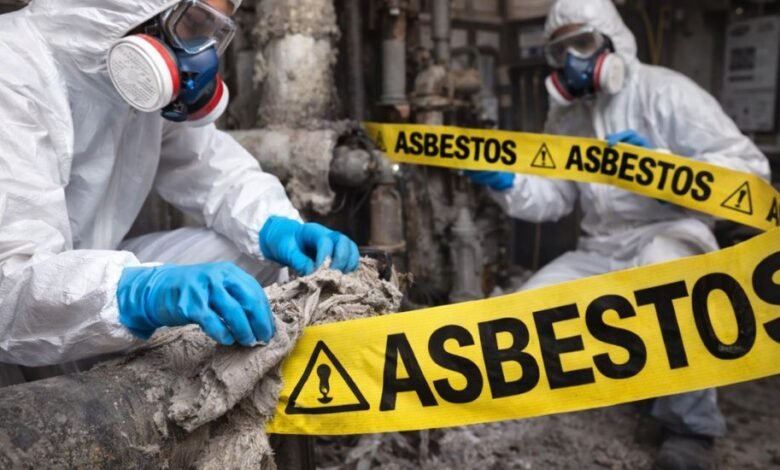
Removal is done using containment, protective equipment, and proper disposal methods.
This process is designed to minimize exposure while avoiding unnecessary disruption. Not every situation requires removal. In some cases, encapsulation—sealing the material so fibers cannot escape—is considered sufficient.
Modern alternatives have largely replaced asbestlint in new construction and renovations. These alternatives aim to deliver similar benefits without the same health concerns. Common characteristics of replacement materials include:
-
Heat resistance suitable for mechanical systems
-
Flexibility for wrapping and sealing irregular shapes
-
Durability under long-term use
Materials made from fiberglass, mineral wool, or advanced composites now serve many of the roles once filled by asbestos-based products. Their availability has made it easier to modernize buildings safely while maintaining performance.
From a broader perspective, asbestlint also appears in financial and legal discussions, especially during property transactions or redevelopment projects. Discovery of asbestos-containing materials can affect timelines and budgets. The key is transparency. When risks are identified early, costs and responsibilities can be planned rather than escalated unexpectedly.
A useful conceptual comparison is environmental remediation. Just as older fuel tanks or lead-based paint require assessment and management, asbestlint is handled through established procedures. It is not a mystery problem, but a known one with defined solutions.
Why Asbestlint Remains a Relevant Topic Today
Even though new asbestlint is no longer produced in many regions, the topic remains relevant because buildings last longer than materials trends. Structures built decades ago continue to be used, renovated, sold, and repurposed. Each of those activities can bring legacy materials back into focus.
There is also a growing emphasis on responsible redevelopment. Rather than demolishing and rebuilding everything, many communities prioritize upgrading existing structures. This approach is environmentally and economically sensible, but it requires awareness of materials like asbestlint.
In editorial work at Empire Magazines, relevance often comes down to practicality. People want information that helps them navigate real situations, not abstract theory. Asbestlint fits that category. It is not something most people deal with daily, but when it appears, the consequences of misunderstanding can be significant.
The conversation has also matured over time. Early discussions around asbestos were often polarized, swinging between denial and panic. Today, the tone is more balanced. The focus is on evidence, risk management, and responsibility.
That balance is important for readers. It allows them to approach the topic calmly, understand their options, and seek appropriate expertise when needed. Whether someone is a homeowner, a contractor, or an investor, the fundamentals remain the same: know what you are dealing with, respect the risks, and follow established practices.
Conclusion: A Clear View of Asbestlint and Its Place Today
Asbestlint is best described as a legacy material with modern implications. It reflects a time when asbestos was valued for its performance and used widely across construction and industry. Over time, medical research reshaped how we view those materials, leading to regulations and safer alternatives.
Today, the presence of asbestlint is not a reason for alarm, but it is a reason for awareness. When left undisturbed and managed properly, risks can be minimized. When discovered during renovations or maintenance, professional assessment ensures responsible handling.
The broader lesson is simple. Materials evolve, knowledge grows, and practices change. Understanding that progression helps people make thoughtful decisions rather than reactive ones. With clear information and measured responses, asbestlint becomes a manageable part of building history rather than a source of confusion or fear.
Frequently Asked Questions About Asbestlint
What exactly is asbestlint?
Asbestlint refers to asbestos-containing fibrous material that was commonly used in the past as insulation or sealing tape. It often appears as a soft, cloth-like, or lint-style wrapping around pipes, boilers, or heating systems in older buildings.
Is asbestlint still manufactured today?
In many regions, materials containing asbestos are no longer manufactured or sold due to health regulations. However, asbestlint may still exist in buildings constructed decades ago, which is why it continues to be discussed today.
Where is asbestlint most commonly found?
Asbestlint is typically found in older residential, commercial, or industrial structures. Common locations include pipe insulation, heating systems, boiler rooms, and areas exposed to high temperatures.
Is asbestlint dangerous if it is not disturbed?
When left intact and undisturbed, asbestlint generally poses a low risk. Problems usually arise when the material is damaged, cut, or handled improperly, which can release microscopic fibers into the air.
How can someone tell if a material is asbestlint?
It is not possible to confirm asbestlint by appearance alone. Many non-asbestos materials look similar. Proper identification usually requires testing by a qualified professional using approved methods.
Should asbestlint always be removed?
Not necessarily. In some cases, leaving the material in place and sealing it can be an acceptable option. Removal is typically considered when the material is damaged, deteriorating, or likely to be disturbed during renovation or maintenance.
Can homeowners remove asbestlint themselves?
In most cases, handling or removing asbestos-containing materials is regulated and should be done by licensed professionals. This helps reduce health risks and ensures compliance with safety and disposal requirements.
What happens if asbestlint is discovered during a renovation?
Work is usually paused so the material can be assessed. Depending on its condition and location, professionals may recommend containment, sealing, or controlled removal before work continues.
Are there modern alternatives to asbestlint?
Yes. Modern insulation and sealing materials are designed to provide heat resistance and durability without using asbestos. These alternatives are widely used in new construction and renovation projects.
Does the presence of asbestlint affect property value?
It can influence renovation costs or timelines, but it does not automatically reduce a property’s value. Transparent disclosure and proper management often help address concerns during sales or redevelopment.