In the vast and diverse landscapes of Norway, where forests, mountains, and rivers are home to a rich variety of wildlife, the challenge of managing wild animals and human interactions is complex. To address these challenges effectively, Norway has established a unique system of local wildlife committees known as Viltnemnda. These committees play a pivotal role in balancing ecological conservation, public safety, hunting regulations, and local community needs.
Understanding Viltnemnda
The term Viltnemnda is derived from the Norwegian words vilt, meaning wildlife, and nemnda, meaning committee or board. Together, it refers to a committee or board tasked with managing wildlife at the municipal or local level in Norway. Unlike national authorities that set broad regulations, Viltnemnda brings governance closer to the local communities, allowing for practical, informed, and context-specific decisions.
Viltnemnda serves as a bridge between national wildlife laws and local needs, ensuring that wildlife management is not only scientifically grounded but also socially acceptable and sustainable.
Legal Framework and Authority
Viltnemnda operates under the guidance of Norway’s national legislation, primarily the Wildlife Act (Viltloven) and the Nature Diversity Act (Naturmangfoldloven). These laws establish the principles of wildlife management, emphasizing that wild animals are considered state property, and their use must align with ecological sustainability and public interest.
The committees are granted authority to make decisions regarding hunting quotas, species protection measures, and conflict resolutions. While they adhere to national policies, Viltnemnda has the flexibility to adapt strategies based on local ecological conditions, population surveys, and human-wildlife interaction trends.
The Importance of Local Wildlife Committees
Norway’s geographic diversity, from dense forests to fjords and alpine terrains, means that wildlife populations are unevenly distributed and their behaviors differ regionally. Local committees like Viltnemnda are essential because they:
-
Incorporate Local Knowledge – Residents, hunters, and farmers provide insights that scientific surveys alone cannot capture.
-
Ensure Practical Implementation – Local committees can quickly respond to seasonal variations, animal migrations, and sudden environmental changes.
-
Resolve Human-Wildlife Conflicts – From crop damage to livestock predation, Viltnemnda acts as the first line of mediation.
-
Promote Public Safety – By managing wildlife near roads, railways, and settlements, the committees reduce accidents and risks associated with wildlife encounters.
Structure and Membership
Viltnemnda is typically composed of members appointed by municipal councils. The committees include a diverse mix of stakeholders, such as:
-
Local hunters and hunting organizations
-
Farmers and landowners
-
Municipal officials
-
Environmental and wildlife experts
This mix ensures that decisions are balanced, taking into account conservation priorities, economic considerations, and public safety concerns. Members usually serve for several years, allowing for continuity in long-term wildlife management strategies.
Key Responsibilities
Viltnemnda has a broad range of responsibilities, all centered on sustainable wildlife management. The primary functions include:
1. Wildlife Population Management
One of the most critical roles of Viltnemnda is regulating hunting quotas and seasons. The committees:
-
Analyze wildlife population data collected by local observers, hunters, and environmental scientists
-
Set sustainable harvest limits to prevent overhunting
-
Monitor population trends of game species, including deer, elk, moose, and smaller wildlife
By ensuring controlled hunting, Viltnemnda maintains ecological balance while supporting traditional hunting practices that are culturally and economically significant in Norway.
2. Conflict Resolution
Human-wildlife conflicts are a common challenge in Norway. Wild animals can damage crops, prey on livestock, or enter urban areas, creating safety risks. Viltnemnda works to resolve these issues by:
-
Assessing the extent of damage caused by wildlife
-
Advising on non-lethal interventions, such as fencing, deterrents, or habitat modification
-
Authorizing selective wildlife control only when necessary
These measures aim to minimize harm to both humans and animals while maintaining ecological stability.
3. Wildlife Accident Management
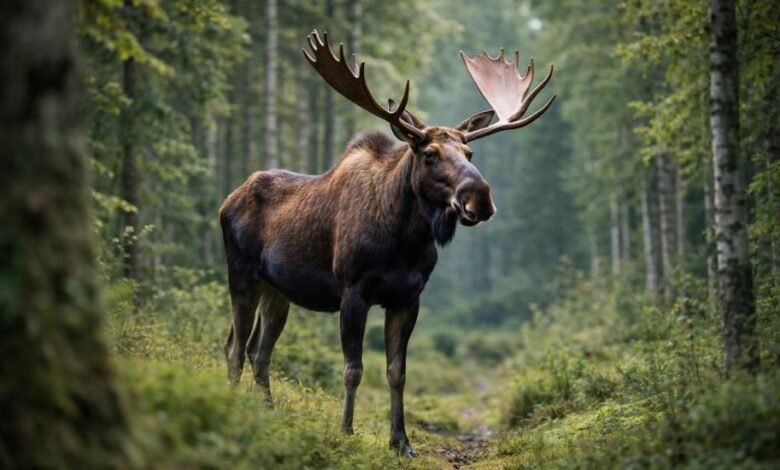
Wildlife accidents, particularly vehicle collisions with large animals such as moose or deer, are significant concerns in Norway. Viltnemnda plays a key role in:
-
Coordinating responses to wildlife accidents
-
Ensuring humane handling of injured or dead animals
-
Collecting data on accidents to inform preventive measures, such as wildlife crossings or warning systems
This proactive approach reduces risks to human life and supports wildlife conservation efforts.
4. Conservation and Environmental Guidance
Beyond direct wildlife management, Viltnemnda advises municipalities and communities on broader conservation initiatives. This includes:
-
Habitat protection measures and environmental planning
-
Wildlife corridor designation to facilitate safe animal movement
-
Recommendations on sustainable land use practices
By integrating conservation principles into local planning, Viltnemnda ensures that Norway’s natural landscapes and biodiversity are preserved for future generations.
The Decision-Making Process
Decisions made by Viltnemnda follow a structured and consultative approach:
-
Data Collection – Gathering wildlife population statistics, environmental data, and reports from local residents
-
Assessment and Analysis – Evaluating population trends, potential risks, and conservation priorities
-
Consultation – Discussing potential actions with relevant stakeholders, including hunters, farmers, and environmental experts
-
Implementation – Issuing guidelines, hunting quotas, or conflict management actions
-
Monitoring and Review – Assessing outcomes and adapting strategies as needed
This systematic process ensures that decisions are transparent, science-based, and locally relevant.
Challenges and Opportunities
Despite its effectiveness, Viltnemnda faces several challenges:
-
Balancing Interests – Conflicts can arise between conservation goals, hunting traditions, and local economic interests
-
Climate Change – Changing ecosystems affect wildlife distribution, requiring adaptive management strategies
-
Public Awareness – Ensuring communities understand and support wildlife management decisions is critical
At the same time, these challenges present opportunities for Viltnemnda to innovate:
-
Implementing modern tracking technologies for population monitoring
-
Enhancing community engagement and education programs
-
Collaborating with research institutions for improved ecological insights
The Impact of Viltnemnda
The establishment of Viltnemnda has had a profound impact on wildlife management in Norway. Its localized approach:
-
Promotes sustainable hunting practices
-
Minimizes human-wildlife conflicts
-
Supports biodiversity conservation
-
Enhances public safety and awareness
By decentralizing wildlife governance, Norway has successfully integrated local expertise with national policies, ensuring that wildlife management is both practical and forward-looking.
Viltnemnda in the Modern Era
As human populations expand and natural habitats face increasing pressures, the role of Viltnemnda is more critical than ever. The committees continue to evolve, embracing technological tools, fostering community partnerships, and promoting sustainable coexistence between humans and wildlife.
Their work exemplifies how local governance can complement national legislation, creating a flexible, responsive, and effective wildlife management system that serves both nature and society.
In conclusion, Viltnemnda represents a model of community-based wildlife management, emphasizing scientific, social, and environmental considerations. By bridging the gap between local realities and national policies, these committees safeguard Norway’s wildlife while supporting the communities that live alongside it.
This commitment to balance, sustainability, and practicality makes Viltnemnda an integral part of Norway’s environmental and social landscape.
For more in-depth coverage of topics related to wildlife management and environmental governance, visit Empire Magazines.