Coleman Sleeping Bags: A Complete Guide to Comfort, Durability, and Real-World Camping Performance

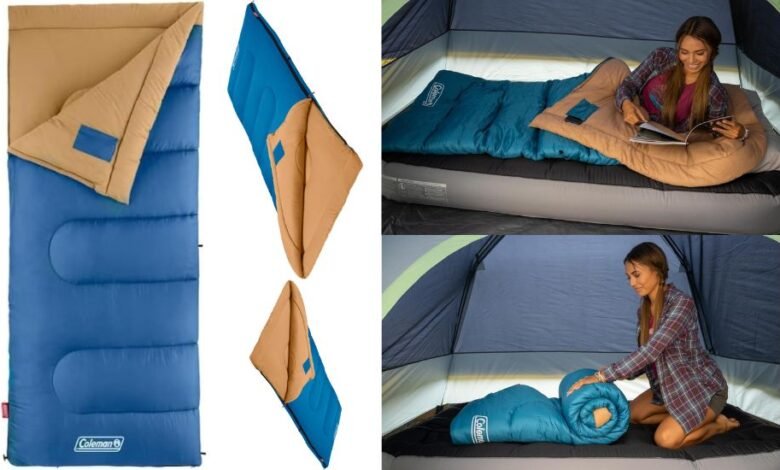
Sleeping outdoors can be one of the most rewarding parts of an adventure — or one of the most uncomfortable. A great night’s sleep sets the tone for the entire trip, powering every hike, paddle, or fishing session to follow. For decades, one name has stood out as an accessible, trustworthy solution for the everyday camper: Coleman. And among their broad lineup of lanterns, tents, stoves, and coolers, Coleman sleeping bags remain one of the most widely used forms of sleep shelter in the camping world.
Whether you’re a beginner car camper, a family camper bringing the kids, a seasonal outdoor traveler, or simply someone who wants an affordable, reliable sleeping bag, Coleman has long marketed itself as a go-to brand. But what makes Coleman sleeping bags unique? How do they compare to premium outdoor sleeping systems? What should campers know before buying one? And which Coleman bags truly perform best in real-world settings?
This deep-dive article explores everything you need to know: the construction, insulation, temperature ratings, long-term durability, pros and cons, and how to choose the right model. By the end, you will have a complete understanding of Coleman sleeping bags — far beyond what a short product listing can tell you.
1. A Brief Look at the Heritage of Coleman Sleeping Bags
Coleman is one of the oldest and most recognizable names in outdoor gear. The company began more than a century ago with lanterns, then expanded into tents, cook systems, coolers, camp furniture, and eventually, sleeping bags. Over time, their sleeping bag line evolved into one of the most diverse and widely sold collections in the outdoor market.
Coleman’s approach has always revolved around three main goals:
- Make outdoor recreation accessible to everyone, not just experts.
- Keep products affordable enough for families, occasional campers, and newcomers.
- Deliver dependable comfort without requiring a steep learning curve.
Their sleeping bags reflect these values. While high-end mountaineering brands produce proprietary down blends and extreme-weather systems costing hundreds of dollars, Coleman focuses on comfort, durability, ease of use, and temperature flexibility at reasonable price points.
2. Understanding the Types of Coleman Sleeping Bags
Coleman designs sleeping bags for a range of users. They generally fall into five core categories:
a. Warm-Weather Sleeping Bags (50°F and Up)
These are meant for late spring, summer, and warm fall nights. They are lightweight, breathable, and easy to pack — ideal for casual family camping or indoor use.
b. Cool-Weather Sleeping Bags (30°F–40°F Range)
Great for spring and fall, these offer more insulation, tighter stitching, and better wind and heat retention.
c. Cold-Weather Sleeping Bags (0°F–20°F)
These heavy-duty bags provide thick insulation, specialized zipper baffles, and heat-locking materials built for harsh conditions. They are popular among hunters, cabin campers, and winter campers.
d. Big & Tall Sleeping Bags
Designed for users who need more length, width, or overall space. Coleman is one of the few affordable brands offering this size range, often up to 6’5″ or more.
e. Kids’ Sleeping Bags
These are shorter, lighter, and often include playful colors or themes. Most include safety zippers and soft interior linings for comfort.
Coleman’s strategy is to offer something for every camper instead of focusing on ultra-technical niches. This makes their lineup versatile and beginner-friendly.
3. Construction and Materials: What’s Inside Coleman Sleeping Bags?
A sleeping bag is only as good as the materials within it, and Coleman incorporates several functional structural elements. Here are the most important components:
Insulation Type
Most Coleman sleeping bags use synthetic polyester insulation — a material chosen for its:
- Moisture resistance
- Easy maintenance (machine washable in most cases)
- Lower cost compared to down
- Consistent performance in humid conditions
Synthetic insulation is especially ideal for family and casual campers since it does not clump when wet and is easy to dry.
Shell Fabrics
Common outer materials include:
- Polyester Ripstop for durability
- Cotton canvas (on premium or heritage-style models)
- Brushed polyester for softer comfort
These fabrics are chosen for toughness, resistance to abrasion, and cost efficiency.
Lining Materials
Most Coleman bags use:
- Soft flannel for warmth and comfort in cold-weather models
- Smooth polyester for breathability in warm climates
The lining dramatically affects the “feel” of a sleeping bag. Coleman intentionally uses flannel in colder bags because it feels familiar and cozy like a blanket from home.
Zipper Design Technologies
Coleman includes several proprietary zipper technologies:
- ZipPlow™: Keeps fabric away from the zipper path to prevent snagging.
- ThermoLock™: An insulated draft tube running along the zipper to keep warm air inside.
- Roll Control™: Helps keep the bag straight while rolling for packing.
- QuickCord™: Allows for no-tie packing with simple cord wraps.
These small enhancements make Coleman bags easier for novice campers to use.
Stitching and Heat Retention
Many Coleman sleeping bags feature FiberLock™ construction, preventing insulation from shifting or bunching — a common cause of cold spots. More expensive bags reinforce this with quilted patterns.
4. Temperature Ratings & Real-World Performance
One of the most misunderstood features of any sleeping bag is the temperature rating.
When Coleman lists a sleeping bag as a “20°F bag,” this does not mean you will be perfectly comfortable at 20°F. Instead, it reflects a survival-minimum limit under controlled testing conditions.
For Coleman sleeping bags, practical comfort guidelines usually go like this:
- Add 10–15°F above the listed rating for actual comfort.
- If you sleep cold, even add 20°F for safety.
- For warm sleepers, the rating may be more accurate.
Why is this important?
Many new campers underestimate nighttime temperature drops, especially in deserts, mountains, forests, and early spring. Choosing a Coleman bag too lightly rated may result in cold, restless nights.
Examples of real-world comfort ranges
| Bag Rating | Realistic Comfort Range |
|---|---|
| 50°F | 55–65°F |
| 40°F | 45–55°F |
| 30°F | 35–45°F |
| 20°F | 25–35°F |
| 0°F | 5–20°F |
These ranges assume average sleepers using a proper sleeping pad beneath them. Remember: a sleeping bag alone cannot insulate against the cold ground.
5. Popular Coleman Sleeping Bag Lines Explained
Click Here To Buy Best Coleman Sleeping Bags
a. Cool-Weather Rectangular Bags
These classics often feature flannel linings, thick synthetic insulation, and sturdy construction. They are ideal for car camping and cabins.
b. Coleman Heritage & Big & Tall Bags
Heavier, canvas-style sleeping bags designed for comfort and rugged cold weather. They prioritize warmth and space over portability.
c. Coleman Kompact Series
A more modern, compressible line intended for campers who want portability without premium pricing. Smaller packed size and lighter construction make Kompact bags suitable for light hiking or road-trip camping.
d. Coleman Sunridge & Warm-Weather Bags
Affordable and simple, perfect for campouts in mild temperatures. These bags are often used in summer camps, sleepovers, and indoor/outdoor events.
e. Coleman Kids Bags
They often include bright designs, glow-in-the-dark features, and soft interior fabrics. Because they are shorter, they retain warmth more efficiently for children.
6. Who Should Choose Coleman Sleeping Bags?
Coleman sleeping bags are ideal for:
Casual Campers
If you camp a few weekends a year, Coleman sleeping bags offer excellent value. Their durability is reliable enough for seasons of moderate use.
Family Campers
Coleman has many kid-friendly models and budget options, perfect for families needing multiple sleeping bags without spending heavily.
Car Campers
Since many Coleman bags are bulkier than ultralight models, they excel in car-accessible locations.
Budget-Conscious Shoppers
Coleman delivers warmth and comfort at prices far below premium brands.
Campers Prioritizing Comfort Over Weight
Flannel linings, wide cuts, and soft materials make many Coleman bags feel like sleeping in a traditional bed blanket.
Beginner Campers
Coleman bag features are intuitive, durable, and low maintenance.
However, Coleman sleeping bags are not ideal for:
- High-altitude mountaineering
- Long-distance backpacking
- Lightweight expedition travel
- Extreme-subzero conditions
These activities require specialized ultralight and high-fill-power down sleeping systems.
7. Advantages of Coleman Sleeping Bags
1. Excellent Value for Money
Coleman offers some of the best comfort-to-price ratios in the outdoor market.
2. Wide Variety of Models
From warm-weather to heavy-duty cold-weather bags, short kid-friendly bags to oversized tall models — Coleman covers almost every consumer need.
3. Durable Construction for the Price
Reinforced stitching, rip-resistant shells, and long-lasting insulation make these bags reliable for multiple seasons.
4. User-Friendly Features
Zippers that don’t snag, easy rolling systems, and washable materials make Coleman bags low-maintenance.
5. Comfortable Fabrics
Soft flannel and plush lining provide a home-like feel, something high-performance mummy bags rarely offer.
6. Great for Car Camping & Overnight Events
Their comfort and spaciousness make them perfect for campgrounds, road trips, sleepovers, and festivals.
8. Limitations of Coleman Sleeping Bags
1. Bulkier and Heavier Design
Many Coleman sleeping bags are too large for serious backpacking or travel where weight matters.
2. Less Efficient Heat Retention Compared to High-End Brands
While comfortable, synthetic insulation does not match premium down fill power in extreme cold or in packability.
3. Large Packed Size
Unless you choose the Kompact line, many bags require significant storage space.
4. Comfort Ratings Need Interpretation
Campers must understand that stated temperature limits are not comfort guarantees.
5. Some Narrow Cuts in Budget Models
Entry-level rectangular bags can feel narrower than expected.
9. How to Choose the Right Coleman Sleeping Bag
Click Here To Buy Best Coleman Sleeping Bags
When selecting a sleeping bag, consider these factors:
a. Temperature Rating
Pick a bag at least 10–15°F colder than the lowest temperature you expect.
b. Bag Shape
- Rectangular: Comfortable, spacious, easy to move in.
- Mummy: Better heat retention but more restrictive.
- Big & Tall: Ideal for larger or taller campers.
c. Interior Material
- Flannel: Cozy and warm.
- Polyester: Breathable and lightweight.
d. Length & Width
Ensure the bag fits your height and preferred sleeping position.
e. Weight & Pack Size
If you need portability, choose Kompact or lightweight warm-weather models.
f. Additional Features
- Anti-snag zippers
- Draft tube insulation
- Machine washability
- Attached stuff sack or QuickCord system
10. Practical Tips for Using and Maintaining Coleman Sleeping Bags
1. Always Use a Sleeping Pad
A sleeping bag insulates you from the air, not the ground. A pad is essential to avoid losing body heat.
2. Air Out the Bag After Each Trip
Moisture buildup can reduce insulation efficiency.
3. Wash Only When Necessary
Machine washable bags are convenient, but frequent washing can reduce insulation lifespan.
4. Store Loosely, Not Compressed
Stuff sacks are for transport — long-term compression harms synthetic loft.
5. Consider Layering
Adding a sleeping bag liner increases warmth and protects the interior material.
11. Real-World Scenarios Where Coleman Sleeping Bags Excel
Family Camping Trips
Parents and kids alike benefit from the easy setup and kid-friendly options.
Cabin and Lodge Adventures
Coleman’s comfort-focused design makes them ideal for indoor/outdoor hybrid environments.
Road-Trip Camping
Large rectangular bags feel more like home bedding, which is great after long drives.
Hunting Camps
Heavy-duty cold-weather bags offer durability and warmth for chilly mornings.
Festivals & Events
Affordable, comfortable, and easy to clean, Coleman bags thrive in high-use social settings.
12. Conclusion: Are Coleman Sleeping Bags Worth It?
For most recreational campers, the answer is yes. Coleman sleeping bags deliver exactly what they promise: comfort, reliability, and affordability. They are ideal for anyone who values warmth and familiar comfort without needing top-tier technical performance.
While they are not built for mountaineering or ultralight expeditions, they remain one of the most dependable and widely used choices among everyday campers. Their combination of durable construction, thoughtful design, insulation innovations, and consumer-friendly pricing ensures they remain a top recommendation for generations of outdoor enthusiasts.
Whether you camp once a year or every other weekend, Coleman offers a sleeping bag that will match your style, your climate, and your comfort preferences — all without stretching your budget. And that balance of accessibility and performance is exactly why Coleman sleeping bags continue to stand strong in a competitive outdoor market.
This article is published for readers of Empire Magazines, bringing you detailed insights into outdoor gear, lifestyle trends, and practical guides for modern adventure.
Click Here To Buy Best Coleman Sleeping Bags
FAQs About Coleman Sleeping Bags
1. Are Coleman sleeping bags good quality?
Yes, Coleman sleeping bags are known for delivering excellent value for their price. They offer solid durability, comfortable fabrics, easy-to-use features, and reliable insulation for casual and family camping. While they are not designed for extreme or ultralight expeditions, they perform very well for car camping, cabin stays, summer camps, and general outdoor use.
2. What temperatures are Coleman sleeping bags suitable for?
Coleman sleeping bags cover a wide range of temperatures, from summer-rated 50°F models to 0°F cold-weather sleeping bags. However, real-world comfort is usually 10–15°F warmer than the bag’s listed rating. For example, a 20°F bag is most comfortable around 30–35°F for the average sleeper.
3. Can Coleman sleeping bags be washed in a washing machine?
Most Coleman sleeping bags are machine washable, thanks to their synthetic insulation and polyester or flannel liners. Always check the care label first, and wash on a gentle cycle with mild detergent. Avoid using fabric softeners and ensure the bag is fully dry before storing it.
4. Are Coleman sleeping bags good for backpacking?
Coleman sleeping bags are generally bulkier and heavier than ultralight backpacking bags. Some models like the Kompact series are more portable, but most are best suited for car camping, short hikes, or overnight events rather than multi-day backpacking trips.
5. Do Coleman sleeping bags keep you warm in cold weather?
Yes, Coleman’s cold-weather sleeping bags perform well for mild to moderate winter camping, especially their rectangular and Heritage-style insulated models. For extreme cold, high-altitude camping, or subzero temperatures, campers should consider technical down sleeping bags made for harsh environments.
6. How do I choose the right Coleman sleeping bag?
Consider these factors:
- Expected nighttime temperature
- Type of camping (car camping vs. backpacking)
- Bag shape (rectangular, mummy, or Big & Tall)
- Interior lining material
- Weight and pack size
- Extra features like zipper protection or draft tubes
Choosing a bag rated slightly colder than expected temperatures is recommended.
7. Are Coleman sleeping bags comfortable?
Coleman bags are known for their soft flannel linings, spacious rectangular shapes, and plush interior insulation, making them some of the most comfortable sleeping bags in their price range. They often feel more like traditional bedding, which many campers appreciate.
8. Can two Coleman sleeping bags be zipped together?
Yes, many Coleman rectangular sleeping bags are designed to be zip-together compatible, allowing two compatible bags to form a double sleeping bag. This is ideal for couples or parents camping with kids. Always check zipper orientation and compatibility before pairing.
9. How should I store a Coleman sleeping bag?
Store your Coleman sleeping bag loosely and uncompressed in a large breathable storage bag or on a shelf. Long-term storage inside a tight stuff sack compresses insulation and reduces its ability to retain warmth over time.
10. Are Coleman sleeping bags worth buying?
For everyday campers, families, beginners, and budget-conscious outdoor travelers, Coleman sleeping bags offer excellent value, comfort, and durability. They are among the most popular sleeping bags for recreational camping and seasonal outdoor activities.