Vitilinox: Understanding the Hype, Science, and Reality Behind a Rising Skincare Trend

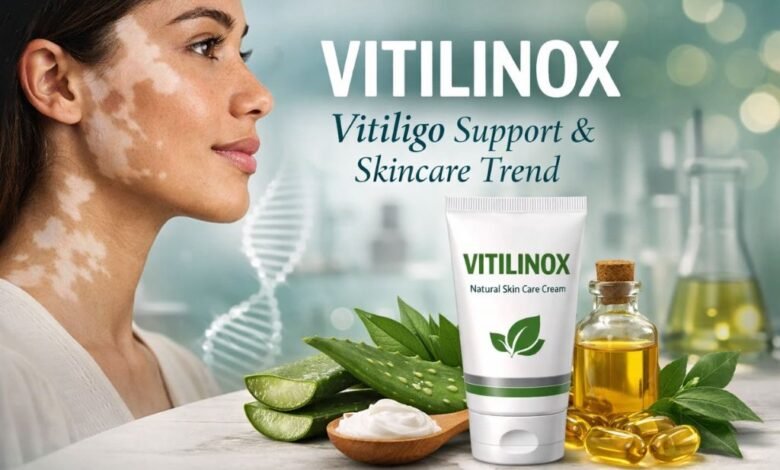
In an era where skincare innovations are constantly emerging, few terms have generated as much curiosity—and confusion—as Vitilinox. Positioned at the intersection of natural skincare, dermatological concern, and digital marketing, Vitilinox has steadily gained visibility among individuals seeking alternatives for managing vitiligo and improving overall skin health. Yet, despite its growing popularity, the concept remains loosely defined, often misunderstood, and surrounded by both optimism and skepticism.
This article takes a comprehensive, evidence-informed look at Vitilinox—what it is, how it is being used, the science behind its claims, and the broader implications for consumers navigating the evolving landscape of skincare solutions.
Defining Vitilinox: Product, Concept, or Marketing Term?
Vitilinox is not a formally recognized medical treatment or a standardized pharmaceutical compound. Rather, it is best understood as a market-driven term commonly used to describe topical skincare formulations or wellness products aimed at supporting individuals with vitiligo. In some contexts, it also appears as a broader conceptual label associated with natural approaches to skin pigmentation and repair.
Unlike regulated medications, Vitilinox does not have a universally agreed-upon composition or mechanism of action. Different manufacturers and platforms may use the term to describe varying formulations, typically centered around plant-based ingredients, antioxidants, and skin-conditioning compounds. This lack of standardization contributes to both its appeal and its ambiguity.
For consumers, this means that Vitilinox should not be interpreted as a singular, clinically validated solution, but rather as a category-like label encompassing a range of supportive skincare products.
Vitiligo and the Search for Alternatives
To understand the rise of Vitilinox, it is essential to consider the condition it is most commonly associated with: vitiligo. Vitiligo is a chronic autoimmune disorder characterized by the loss of melanocytes, the cells responsible for producing skin pigment. This results in the appearance of white patches on various parts of the body, often with unpredictable progression.
The condition is not physically harmful, but it can carry significant psychological and social impact. Individuals with vitiligo frequently report lowered self-esteem, heightened self-consciousness, and a desire for effective treatment options.
Conventional medical treatments for vitiligo include topical corticosteroids, calcineurin inhibitors, and phototherapy. While these approaches can be effective for some patients, they are not universally successful and may involve long-term commitment or side effects. As a result, many individuals explore complementary or alternative options, particularly those perceived as “natural” or less invasive.
Vitilinox has emerged within this context of unmet needs and growing demand for holistic skincare solutions.
The Claimed Mechanisms of Vitilinox
Products marketed under the Vitilinox label often emphasize three primary functional areas: hydration, antioxidant protection, and support for skin balance. While these claims are rooted in established skincare principles, their relevance to vitiligo treatment requires careful examination.
Hydration is a cornerstone of skin health. Many Vitilinox formulations include humectants and emollients that help maintain the skin’s moisture barrier. Well-hydrated skin is more resilient, less prone to irritation, and better able to support overall dermatological function.
Antioxidant protection is another commonly cited benefit. Oxidative stress has been implicated in various skin conditions, including vitiligo. Ingredients such as vitamin E and plant-derived antioxidants may help neutralize free radicals, potentially reducing cellular damage. However, the extent to which topical antioxidants can influence the progression of vitiligo remains an area of ongoing research.
The most ambitious claims associated with Vitilinox involve the restoration of pigment or support for melanocyte function. These assertions, while appealing, are not currently supported by robust clinical evidence. Repigmentation is a complex biological process influenced by immune activity, genetic factors, and cellular signaling pathways—none of which are easily modified by topical skincare alone.
Ingredient Profiles: What Goes Into Vitilinox Products?
Although formulations vary, Vitilinox products typically rely on a combination of widely recognized skincare ingredients. Aloe vera is frequently included for its soothing and anti-inflammatory properties. It has a long history of use in dermatology and is generally well tolerated.
Hyaluronic acid is another common component, valued for its ability to retain moisture and improve skin texture. Jojoba oil and similar plant-based lipids are often added to enhance barrier function and provide a smooth, non-greasy feel.
Vitamin E serves as a key antioxidant, helping to protect the skin from environmental stressors. In some formulations, additional botanical extracts—such as ginkgo biloba or polypodium leucotomos—are incorporated for their purported immune-modulating or photoprotective effects.
While these ingredients are individually supported by varying degrees of scientific evidence for general skincare benefits, their combined efficacy in addressing vitiligo specifically has not been conclusively demonstrated.
Separating Benefits from Claims
A critical aspect of evaluating Vitilinox lies in distinguishing between realistic outcomes and marketing-driven promises. On one hand, users may experience genuine improvements in skin hydration, softness, and overall comfort. These effects can contribute to a healthier skin environment and may indirectly support dermatological well-being.
On the other hand, claims of repigmentation or permanent reversal of vitiligo should be approached with caution. Such outcomes typically require targeted medical interventions that address the underlying autoimmune processes. Without rigorous clinical trials, it is difficult to substantiate the more transformative claims associated with Vitilinox.
Consumer testimonials, while valuable as anecdotal evidence, do not replace controlled scientific studies. Variability in individual responses, placebo effects, and concurrent use of other treatments can all influence perceived results.
The Dermatological Perspective
From a clinical standpoint, dermatologists generally view products like Vitilinox as complementary rather than primary treatments. Supportive skincare can play an important role in maintaining skin integrity, reducing irritation, and enhancing quality of life. However, it does not substitute for evidence-based medical care.
Patients with vitiligo are typically advised to consult healthcare professionals to develop a personalized treatment plan. This may include a combination of topical medications, light therapy, and lifestyle adjustments. Integrating gentle skincare products into this regimen can be beneficial, provided expectations are realistic.
The key message from the medical community is one of balance: embracing supportive measures without abandoning proven therapies.
Safety Considerations and Consumer Awareness
One of the reasons Vitilinox has gained traction is its association with natural and plant-based ingredients. For many consumers, this translates to a perception of safety and gentleness. In most cases, these products are indeed well tolerated, particularly when free from harsh chemicals or irritants.
Nevertheless, “natural” does not automatically mean risk-free. Botanical extracts can cause allergic reactions in some individuals, and formulations may vary in quality and purity. Conducting a patch test before regular use is a prudent step.
Another important consideration is the potential for misleading marketing. The absence of regulatory approval for Vitilinox as a medical treatment means that claims are not always subject to rigorous oversight. Consumers should critically evaluate product descriptions, seek out credible sources of information, and remain cautious of exaggerated promises.
The Role of Digital Media and Market Trends
The rise of Vitilinox is closely tied to broader trends in digital marketing and consumer behavior. Online platforms have become powerful channels for promoting niche skincare solutions, often blending scientific language with aspirational messaging.
Search engine optimization, influencer endorsements, and targeted advertising all contribute to the visibility of terms like Vitilinox. As a result, the line between evidence-based information and promotional content can become blurred.
At the same time, the increasing awareness of skin conditions such as vitiligo has created a more informed and engaged audience. Individuals are actively seeking knowledge, sharing experiences, and advocating for inclusive representation in the beauty industry. Within this context, Vitilinox can be seen as both a response to and a product of evolving consumer priorities.
Psychological and Social Dimensions
Beyond its physical manifestations, vitiligo carries significant emotional and social implications. The visibility of the condition can affect self-image, confidence, and interpersonal interactions. For many individuals, the search for solutions is not solely about medical outcomes but also about regaining a sense of control and normalcy.
Products like Vitilinox tap into this emotional dimension by offering hope and a sense of proactive engagement. Even when the physiological impact is limited, the act of caring for one’s skin can have positive psychological effects. Rituals of self-care, combined with supportive communities, can contribute to improved well-being.
However, it is important that this emotional appeal is not exploited through unrealistic claims. Ethical communication and transparency are essential in ensuring that consumers are empowered rather than misled.
Future Outlook: Research, Regulation, and Responsibility
As interest in Vitilinox continues to grow, several factors will shape its future trajectory. Scientific research will play a crucial role in determining whether any of the underlying concepts can be translated into clinically effective treatments. Advances in dermatology, immunology, and regenerative medicine may eventually provide new insights into pigmentation disorders.
Regulatory frameworks may also evolve to address the increasing complexity of the skincare market. Clearer guidelines on product labeling, claims, and safety standards could help protect consumers and promote accountability.
For manufacturers and marketers, there is an opportunity to build trust through evidence-based practices and honest communication. For consumers, the challenge lies in navigating a landscape where innovation and hype often coexist.
Conclusion: A Balanced Perspective on Vitilinox
Vitilinox represents a compelling example of how modern skincare trends are shaped by a combination of scientific curiosity, consumer demand, and digital influence. While it offers certain benefits as a supportive skincare approach—particularly in terms of hydration and comfort—it should not be viewed as a definitive solution for vitiligo.
Understanding its limitations is just as important as recognizing its potential role within a broader care strategy. By approaching Vitilinox with informed expectations, individuals can make decisions that align with both their health needs and personal preferences.
Ultimately, the story of Vitilinox is less about a single product and more about the ongoing search for effective, accessible, and compassionate approaches to skin health. As research advances and awareness grows, the conversation will continue to evolve—guided, one hopes, by a commitment to clarity, integrity, and genuine care.