Golden, flaky, and irresistibly crisp on the outside while remaining soft inside, Lachha Paratha is one of the most beloved flatbreads in South Asian cuisine. Its signature layers separate beautifully with every bite, creating a texture that sets it apart from ordinary parathas. Whether served alongside rich curries, smoky kebabs, creamy dals, or enjoyed with a simple cup of tea, this layered bread has become a favorite in homes, restaurants, and street food stalls alike.
The secret behind Lachha Paratha lies in its unique preparation technique. Instead of rolling a simple round of dough, the dough is folded, layered with fat, coiled into a spiral, and rolled again before cooking. This process creates dozens of delicate layers that puff and crisp on a hot griddle. While traditional homemade versions continue to be popular, modern frozen varieties have made it easier than ever to enjoy restaurant-style Lachha Paratha within minutes.
This guide explores everything about Lachha Paratha, from its history and preparation to its ingredients, cooking technique, calories, frozen options, prices, packet varieties, serving suggestions, and frequently asked questions.
What Is Lachha Paratha?
Lachha Paratha is a layered flatbread commonly prepared throughout Pakistan, India, and neighboring regions. The word “Lachha” refers to layers, while “Paratha” means pan-fried flatbread. Unlike plain parathas that have a uniform texture, Lachha Paratha contains multiple flaky layers that become crisp during cooking.
The bread is traditionally prepared using wheat flour or all-purpose flour, water, salt, and generous amounts of ghee or oil. The dough is rolled very thin, coated with fat, folded repeatedly, shaped into a spiral, and flattened before being cooked on a hot tawa. This careful layering process produces the signature flaky texture that makes Lachha Paratha unique.
Its versatility allows it to complement a wide range of dishes, from spicy curries to grilled meats, vegetable dishes, and breakfast favorites.
History and Cultural Importance of Lachha Paratha
Lachha Paratha traces its roots to the rich culinary traditions of the Indian subcontinent, particularly the Mughlai kitchens known for elaborate breads and aromatic dishes. Over time, this layered flatbread became an essential part of both everyday meals and festive occasions.
Restaurants often serve Lachha Paratha with butter chicken, chicken karahi, mutton curry, paneer dishes, or barbecue platters because its flaky layers absorb flavorful gravies exceptionally well. Families also prepare it during celebrations, Ramadan, Eid gatherings, and weekend dinners where freshly cooked breads play an important role.
Today, Lachha Paratha has gained popularity worldwide due to the growing availability of frozen ready-to-cook options in international supermarkets.
Lachha Paratha Ingredients
The beauty of Lachha Paratha lies in its simple ingredients. While recipes vary slightly from household to household, the foundation remains largely the same.
Basic Dough Ingredients
Traditional Lachha Paratha begins with wheat flour or refined flour, commonly known as maida. Many cooks also combine both flours to achieve the perfect balance between softness and crispness. Salt enhances flavor, while water binds the dough together. Some recipes include milk or yogurt to produce a softer texture.
Oil or melted ghee is incorporated into the dough to improve elasticity and create tender layers.
Ingredients Used for Layering
The distinct flaky structure comes from brushing each rolled sheet with ghee, butter, or cooking oil before folding. A light dusting of dry flour between folds helps separate the layers during cooking.
Optional Flavor Enhancements
Modern recipes sometimes include crushed garlic, dried fenugreek leaves, black pepper, cumin, sesame seeds, fresh coriander, or mint to create flavorful variations without changing the classic preparation method.
Lachha Paratha Technique
The signature texture of Lachha Paratha depends almost entirely on its preparation method rather than its ingredients.
Preparing the Dough
The dough should be soft, smooth, and slightly elastic. After kneading thoroughly, it is rested for at least twenty to thirty minutes. Resting allows gluten to develop, making the dough easier to stretch.
Rolling the Dough
Each dough ball is rolled into an extremely thin sheet. The thinner the sheet, the more layers can be created after folding.
Creating the Layers
The rolled sheet is brushed generously with melted ghee or oil. A light coating of dry flour is sprinkled over the surface before folding the dough into narrow pleats similar to a paper fan.
Forming the Spiral
The folded strip is gently rolled into a spiral resembling a snail shell. This spiral is rested briefly before being flattened with a rolling pin.
Cooking Process
The prepared paratha is cooked over medium heat on a hot tawa. Once small bubbles appear, oil or ghee is added while flipping both sides several times until golden brown. Gentle pressing encourages even cooking while helping the layers puff beautifully.
Final Fluffing
After cooking, many chefs lightly clap the paratha between their hands or gently crush the edges to separate the flaky layers before serving.
Why Lachha Paratha Has So Many Layers
Unlike ordinary flatbreads, Lachha Paratha uses a lamination process similar to techniques employed in pastry making. Every fold traps a thin layer of fat between sheets of dough. During cooking, moisture converts into steam, separating the layers while the fat prevents them from sticking together.
This combination produces a crisp exterior with delicate, flaky interiors that remain soft enough to tear apart effortlessly.
Homemade Versus Restaurant Style Lachha Paratha
Homemade Lachha Paratha offers complete control over ingredients and cooking fat. Families often prefer whole wheat flour and moderate amounts of ghee for a healthier meal.
Restaurant versions generally contain more butter or oil, producing richer flavor, extra crispness, and a more indulgent texture. Larger commercial griddles also provide consistent heat, allowing the layers to develop evenly.
Both styles have their own appeal depending on personal preference.
Lachha Paratha Calories
Many people wonder about the nutritional value of Lachha Paratha before including it in their meals.
An average homemade Lachha Paratha usually contains between 220 and 300 calories depending on its size and the amount of oil or ghee used during preparation. Restaurant-style versions often contain between 300 and 400 calories because they typically include additional butter or clarified butter.
Frozen ready-to-cook varieties generally contain approximately 240 to 320 calories per serving, although nutritional values differ among manufacturers.
Besides calories, Lachha Paratha provides carbohydrates as its primary source of energy, moderate amounts of protein from wheat flour, and fats contributed by cooking oil or ghee. Pairing it with lean proteins and vegetable-based dishes creates a more balanced meal.
Nutritional Value of Lachha Paratha
Lachha Paratha supplies energy through complex carbohydrates while also providing dietary protein, iron, and small amounts of dietary fiber, especially when prepared using whole wheat flour.
Using less oil during cooking and choosing whole wheat flour instead of refined flour can improve the overall nutritional profile without sacrificing too much flavor.
Moderation remains the key when enjoying richer restaurant-style versions.
Frozen Lachha Paratha
Busy households increasingly rely on frozen Lachha Paratha because it offers restaurant-quality texture with minimal preparation time.
Manufacturers prepare the layered dough, partially cook it, freeze it rapidly, and package it for retail sale. Consumers simply remove the paratha from the freezer and cook it directly on a hot pan without thawing.
Frozen products maintain their layered structure remarkably well while offering convenience for breakfast, lunch, or dinner.
Benefits of Frozen Lachha Paratha
Frozen Lachha Paratha saves preparation time while reducing the effort required to make layered dough from scratch. Most products cook within five minutes, making them suitable for busy professionals, students, and families.
Long shelf life, consistent quality, and widespread availability have made frozen Lachha Paratha increasingly popular around the world.
Lachha Paratha Packet Options
Manufacturers package frozen Lachha Paratha in multiple sizes to suit different households.
Smaller packs usually contain four or five pieces, making them ideal for individuals or couples. Medium-sized packs often include six to ten parathas, while larger family packs may contain twelve, twenty, or even twenty-four pieces.
Most packets include cooking instructions, storage guidelines, nutritional information, ingredient lists, manufacturing dates, and expiry dates to help consumers make informed purchasing decisions.
Lachha Paratha Price
The price of Lachha Paratha depends on several factors including brand, country, ingredients, packet size, and retailer.
Small frozen packs containing four pieces generally cost less than larger family packs. Premium brands made with butter or higher-quality flour often carry slightly higher prices than standard products.
Restaurant prices also vary considerably depending on location. Casual eateries may offer individual Lachha Paratha at affordable rates, while fine-dining establishments charge more for freshly prepared breads served alongside specialty curries.
Comparing prices across supermarkets and online grocery stores helps consumers find the best value.
Where to Buy Lachha Paratha Near Me
Many people search online for Lachha Paratha near me when looking for fresh or frozen options.
Pakistani restaurants, Indian restaurants, Mughlai eateries, and barbecue restaurants commonly include Lachha Paratha on their menus. International grocery stores that specialize in South Asian foods frequently stock frozen packets in their freezer sections.
Large supermarkets, neighborhood grocery stores, and online grocery delivery services have also expanded their selection of frozen breads, making Lachha Paratha easier to purchase than ever before.
Searching local map applications or food delivery platforms often reveals nearby restaurants serving freshly prepared Lachha Paratha.
Lachha Paratha Photo and Presentation
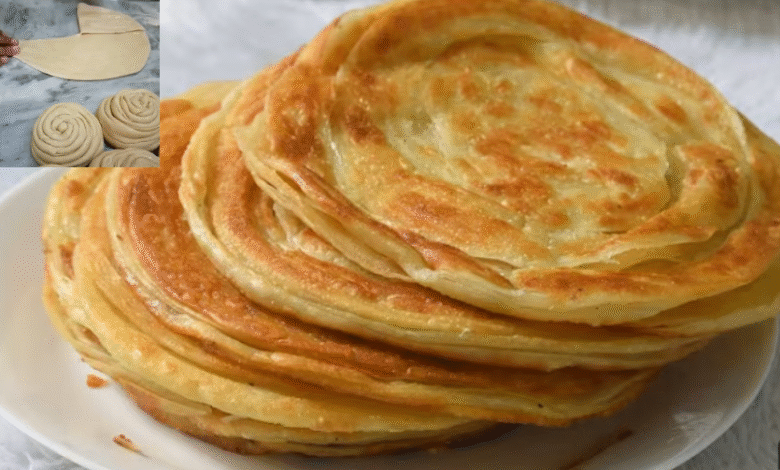
Photographs of Lachha Paratha usually highlight its golden color and beautifully separated layers. Professional food photography often captures steam rising from freshly cooked bread alongside bowls of rich curry, grilled meats, fresh salad, yogurt, and pickles.
The layered texture becomes the main visual attraction because it immediately distinguishes Lachha Paratha from ordinary flatbreads.
Serving the bread with melted butter brushed across the top enhances both appearance and flavor.
Popular Dishes Served with Lachha Paratha
Lachha Paratha pairs exceptionally well with chicken karahi, butter chicken, mutton curry, beef nihari, haleem, seekh kebabs, chicken tikka, dal makhani, paneer butter masala, chana masala, and mixed vegetable curries.
Breakfast combinations often include omelets, fried eggs, yogurt, pickle, tea, and fresh butter.
Its layered texture makes it especially suitable for scooping thick gravies without becoming soggy too quickly.
Tips for Making Perfect Lachha Paratha
Perfect Lachha Paratha begins with soft, well-rested dough. Rolling the dough as thin as possible creates additional layers, while generous brushing with ghee or oil ensures those layers remain separate during cooking.
Cooking over medium heat prevents burning while allowing the interior layers to cook thoroughly. Resting the shaped spirals before the final rolling stage improves elasticity and prevents tearing.
Gentle fluffing immediately after cooking helps separate the layers for the classic restaurant-style appearance.
Common Mistakes to Avoid
Using stiff dough often produces dense, chewy parathas instead of flaky layers. Insufficient resting time makes the dough difficult to stretch, while inadequate fat between folds prevents proper separation.
Rolling too aggressively after forming the spiral may flatten the layers, reducing the characteristic flaky texture. Extremely high cooking temperatures can brown the exterior before the interior cooks completely.
Avoiding these mistakes significantly improves the final result.
Why Lachha Paratha Remains Popular
Despite countless bread varieties available today, Lachha Paratha continues to enjoy lasting popularity because it combines simple ingredients with an impressive texture. The satisfying contrast between crispy outer layers and tender inner folds creates a memorable eating experience that complements countless savory dishes.
The growing availability of frozen products has introduced this traditional bread to new audiences around the world while preserving its authentic layered character. Whether prepared fresh at home or cooked from a frozen packet, Lachha Paratha remains one of the finest examples of traditional South Asian bread-making.
Conclusion
Lachha Paratha is much more than an ordinary flatbread. Its carefully crafted layers, rich flavor, and remarkable versatility have earned it a permanent place in both traditional kitchens and modern households. From understanding Lachha Paratha ingredients and mastering the classic Lachha Paratha technique to exploring Lachha Paratha calories, Lachha Paratha frozen options, Lachha Paratha packet varieties, Lachha Paratha price, and finding Lachha Paratha near me, there are countless ways to appreciate this timeless bread.
Whether you enjoy preparing it from scratch or prefer the convenience of ready-to-cook frozen versions, Lachha Paratha continues to deliver a delicious combination of flaky texture, rich taste, and satisfying comfort that has delighted generations of food lovers across the world.