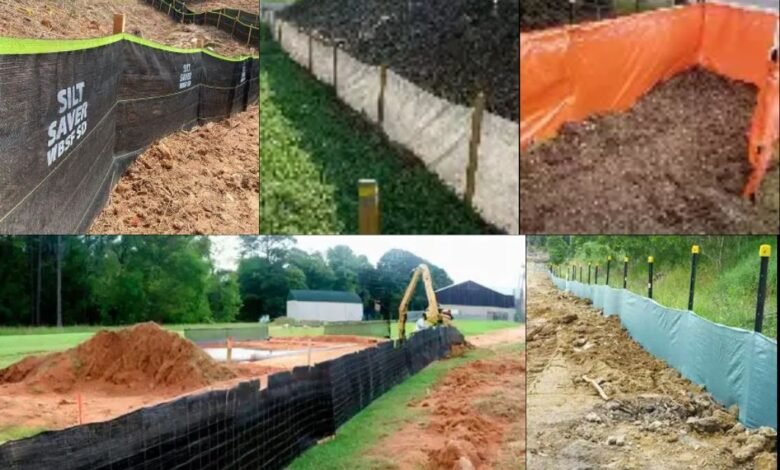
When soil is disturbed—whether during construction, landscaping, or agricultural activities—there is a risk of erosion and sediment runoff. These sediments can pollute streams, rivers, lakes, and stormwater systems, causing environmental damage and regulatory concerns. One of the most widely used solutions to address this problem is the silt fence. Despite its simplicity, the silt fence is a critical component of effective erosion and sediment control strategies.
What Is a Silt Fence?
A silt fence is a temporary sediment-control barrier designed to prevent soil particles from leaving a disturbed site. It is most commonly used along the perimeter of construction sites, around stockpiles, or downslope of areas where soil has been exposed. Its primary purpose is to allow water to flow through while trapping sediment, ensuring that runoff does not contaminate nearby water bodies or drainage systems.
The silt fence functions as both a physical barrier and a filtration system. Water slows down when it encounters the fence, allowing sediment to settle out. The remaining water passes through the permeable fabric, leaving the soil behind. While extremely effective for sheet flow on gentle slopes, silt fences are not designed to handle concentrated flows, such as those found in drainage channels or steep ditches.
Components and Materials
A typical silt fence consists of three primary components:
- Geotextile Fabric:
The core component of the fence is a synthetic fabric, usually polypropylene. This fabric is permeable to water but traps soil particles, preventing them from moving downslope. Fabrics can be woven or non-woven, depending on the required strength and filtration efficiency. Some fabrics also feature UV protection to extend their useful life in exposed outdoor conditions. - Support Posts:
Wooden or steel stakes are used to support the fabric. Posts are installed on the downhill side of the fence, providing structural stability and ensuring that the fabric remains upright under the pressure of accumulating sediment and flowing water. - Anchoring/Trenching:
To prevent water from flowing underneath the fence, the fabric is buried in a trench a few inches deep and backfilled. This anchoring step is essential for maintaining the effectiveness of the silt fence.
Enhanced versions, known as super silt fences, include wire mesh or additional reinforcement for areas with higher runoff volumes or steeper slopes. These reinforced fences can handle greater stress without tearing or collapsing.
How Silt Fences Work
The effectiveness of a silt fence lies in its ability to reduce runoff velocity and trap sediment. Here’s a step-by-step overview of the process:
- Intercepting Water Flow: As runoff flows over a disturbed area, it encounters the silt fence and is slowed.
- Sediment Settling: The reduction in velocity allows heavier soil particles to settle upstream of the fence.
- Filtering Water: Remaining water passes through the fabric, leaving most of the sediment behind.
- Sediment Accumulation: Over time, sediment builds up against the fence, creating a small impoundment that further enhances filtration.
By performing these functions, silt fences protect downstream water bodies, maintain soil stability, and help projects comply with environmental regulations.
Applications and Use Cases
Silt fences are widely used across industries and environmental contexts:
- Construction Sites: They serve as a primary perimeter control to prevent sediment-laden runoff from leaving the site.
- Landscaping Projects: Protecting gardens, lawns, and surrounding areas from soil washout.
- Road and Highway Projects: Controlling sediment along cut-and-fill areas and roadside earthworks.
- Agriculture: Managing runoff from tilled fields or soil stockpiles to protect waterways.
- Environmental Protection Areas: Safeguarding wetlands, streams, and sensitive habitats from sediment pollution.
Silt fences are often the first line of defense in stormwater management plans and erosion control strategies, particularly in areas with moderate slopes and dispersed water flow.
Installation Best Practices
Proper installation is critical for ensuring the performance of a silt fence. Key steps include:
- Install Before Disturbance: The fence should be in place before any soil is disturbed to prevent sediment from bypassing the barrier.
- Contour Placement: Fences should follow the natural contours of the land, avoiding placement up and down steep slopes.
- Trenching and Backfilling: Bury the fabric 6–8 inches into the soil and compact the backfill to prevent underflow.
- Post Placement: Position support posts on the downhill side of the fabric and space them according to slope and site requirements.
- Overlap Joints and Create Returns: Fabric sections should overlap to prevent gaps, and ends should form returns to redirect runoff into the fenced area.
- Avoid Concentrated Flows: Do not place silt fences in ditches, channels, or areas with high-velocity water.
Maintenance and Inspection
Even a well-installed silt fence requires routine monitoring:
- Inspection Frequency: Weekly inspections and checks after heavy rainfall events are recommended.
- Sediment Removal: Remove accumulated sediment when it reaches half the fence height to maintain efficiency.
- Repair Damages: Replace torn or collapsed sections promptly to prevent failure.
- Check for Bypassing: Ensure water does not flow around the ends or under the bottom of the fence.
Consistent maintenance ensures the silt fence continues to protect soil and water effectively throughout the duration of a project.
Advantages and Limitations
Advantages:
- Simple and cost-effective to install
- Reduces sediment pollution in runoff water
- Supports compliance with environmental regulations
- Flexible and adaptable to various site conditions
Limitations:
- Ineffective for high-velocity or concentrated flows
- Very fine sediments may pass through or clog the fabric
- Poor installation or lack of maintenance can reduce effectiveness
- Not suitable as the sole erosion control method on steep slopes
By understanding these strengths and limitations, site managers can use silt fences as part of a broader erosion control and stormwater management strategy.
Conclusion
The silt fence is a fundamental tool for controlling soil erosion and protecting water quality. Its design is simple, but its proper selection, installation, and maintenance require knowledge and attention. From construction projects to landscaping, these fences act as a barrier that prevents sediment from leaving a site, ensuring environmental protection and regulatory compliance.
In any project where soil disturbance occurs, integrating silt fences into erosion control planning is not just recommended—it is essential. When used correctly, they offer a reliable, cost-effective solution to mitigate sediment pollution and safeguard the environment.