Best Pillow for Side Sleepers with Neck Pain: Sleep Better Every Night with the Right Support

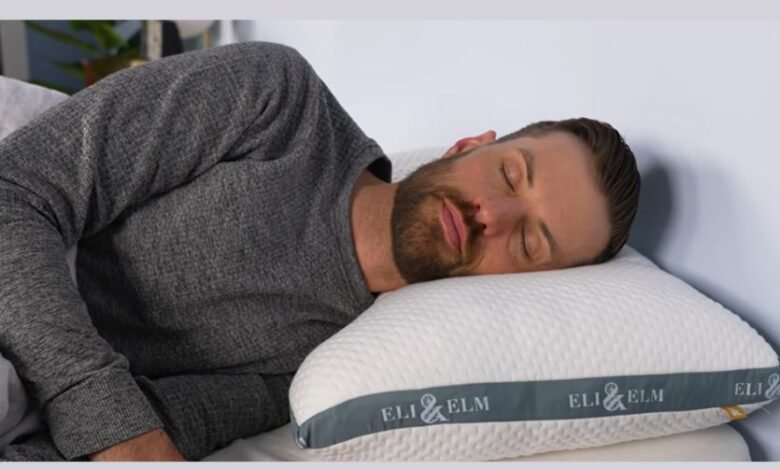
Sleepless nights caused by persistent neck pain can turn even the most comfortable bedroom into a place of frustration. Waking up with stiffness, headaches, or aching shoulders often has less to do with your mattress than the pillow supporting your head. For side sleepers, the wrong pillow can leave the neck bent at an awkward angle for hours, placing unnecessary strain on muscles, joints, and the cervical spine.
Finding the Best Pillow for Side Sleepers with Neck Pain is about more than choosing a soft or expensive pillow. Proper support, the right loft, and suitable materials all work together to keep your head, neck, and spine aligned throughout the night. A pillow that maintains this natural alignment can reduce pressure, encourage muscle relaxation, and help you wake feeling refreshed instead of sore.
Modern pillow designs have evolved significantly over the years. Memory foam, latex, adjustable-fill, and ergonomic cervical pillows now provide solutions tailored specifically to side sleepers. These options are designed to support the unique gap between the shoulder and the head, preventing the neck from tilting upward or downward while sleeping.
This comprehensive guide explores everything you need to know about selecting the Best Pillow for Side Sleepers with Neck Pain. You’ll learn why neck pain develops during sleep, which pillow features truly matter, how different materials compare, and what experts recommend for lasting comfort and spinal health.
Why Side Sleepers Often Experience Neck Pain
Sleeping on your side is widely regarded as one of the healthiest sleeping positions because it can improve breathing, reduce snoring, and promote healthy spinal alignment. However, these benefits only occur when your pillow properly supports your head and neck.
Without adequate support, gravity pulls the head downward toward the mattress. If the pillow is too thin, the neck bends toward the bed, stretching muscles and ligaments for several hours. On the other hand, an overly thick pillow pushes the head upward, creating pressure on the cervical spine and causing stiffness by morning.
The shoulder also plays an important role. Since side sleepers rest with one shoulder pressed against the mattress, there is naturally more space between the mattress and the head. Filling this gap correctly is essential for maintaining a straight spine from the head to the lower back.
Poor pillow support doesn’t just affect the neck. Misalignment can lead to shoulder discomfort, upper back pain, headaches, numbness in the arms, and interrupted sleep cycles. Over time, repeatedly sleeping in an unnatural position may worsen chronic neck pain and contribute to long-term posture problems.
Choosing the Best Pillow for Side Sleepers with Neck Pain helps minimize these risks by providing balanced support that keeps the cervical spine in a neutral position throughout the night.
How a Pillow Affects Spinal Alignment
The human spine naturally forms gentle curves that should remain supported while sleeping. Maintaining these curves allows muscles to relax rather than work continuously to stabilize the body.
When lying on your side, your ears should remain aligned with your shoulders instead of tilting toward the mattress or ceiling. This neutral position reduces unnecessary strain on the cervical vertebrae and surrounding muscles.
A supportive pillow acts as a bridge between the mattress and your head. Rather than simply cushioning the head, it keeps the neck level with the rest of the spine.
Poor spinal alignment during sleep often results in compressed joints, tight muscles, reduced circulation, and increased pressure on nerves. Even healthy individuals may wake up with soreness after spending several hours in an unsupported sleeping position.
Proper alignment allows muscles to recover overnight instead of remaining tense. This is why many people notice significant improvements in neck pain simply by replacing an unsuitable pillow with one designed for side sleeping.
Understanding Why Pillow Height Matters
One of the most overlooked factors when buying a pillow is its height, commonly known as loft.
Loft refers to how tall a pillow remains while supporting the weight of your head. Side sleepers usually require a higher loft than back or stomach sleepers because their shoulders create additional space between the mattress and the head.
A pillow that compresses too much under weight loses its ability to maintain alignment. Conversely, an excessively tall pillow forces the neck into an unnatural angle that may lead to stiffness and headaches.
The ideal loft depends on several personal factors, including shoulder width, body size, mattress firmness, and sleeping habits.
People with broader shoulders often benefit from higher loft pillows because the distance between the mattress and the head is greater. Those with narrower shoulders may achieve better alignment using a medium-height pillow.
Firm mattresses usually require slightly thicker pillows because the shoulders sink less into the mattress. Softer mattresses allow greater shoulder compression, reducing the amount of pillow height needed.
Understanding this relationship helps explain why the Best Pillow for Side Sleepers with Neck Pain is not identical for everyone. Proper fit matters more than simply buying the highest-rated pillow on the market.
The Relationship Between Neck Pain and Sleeping Position
Neck pain rarely develops overnight. Instead, it often results from repeated stress placed on muscles and joints over weeks, months, or even years.
Side sleeping itself is not the problem. The issue usually arises when the sleeping position fails to support the body’s natural posture.
If your head consistently tilts toward one shoulder while sleeping, muscles on one side remain stretched while those on the opposite side stay compressed. Maintaining this imbalance for several hours every night creates inflammation, muscle fatigue, and stiffness.
Morning neck pain is frequently accompanied by reduced range of motion. Turning the head may become uncomfortable, and some people experience pain extending into the shoulders or upper back.
The right pillow reduces these stresses by maintaining a neutral position from the moment you fall asleep until you wake.
Many healthcare professionals recommend addressing pillow support before considering more expensive solutions because improving sleeping posture often provides meaningful relief for mild to moderate neck discomfort.
Characteristics of the Best Pillow for Side Sleepers with Neck Pain
Selecting the Best Pillow for Side Sleepers with Neck Pain involves understanding how different design features work together rather than focusing on a single characteristic.
Support is perhaps the most important factor. A supportive pillow prevents excessive movement while allowing the neck to remain comfortably aligned.
Pressure relief is equally important. The pillow should gently contour around the head without creating pressure points that interrupt sleep.
Responsiveness also matters. High-quality materials quickly regain their shape after movement, ensuring consistent support throughout the night.
Breathability contributes to comfort by reducing heat buildup. Many modern pillows incorporate ventilated foam, latex, or cooling fabrics that improve airflow during sleep.
Durability should not be overlooked. A pillow that loses its shape after only a few months may no longer provide adequate neck support, even if it initially felt comfortable.
The ideal pillow balances all these characteristics while matching the sleeper’s body type and personal comfort preferences.
Signs Your Current Pillow May Be Causing Neck Pain
Many people continue using the same pillow for years without realizing it has become the source of their discomfort.
A pillow that no longer supports the neck often shows obvious signs of wear. Flattening, permanent indentations, and uneven filling reduce its ability to maintain proper spinal alignment.
Frequent morning stiffness is another common warning sign. If discomfort gradually improves as the day progresses, your sleeping posture may be contributing to the problem.
Some individuals notice they constantly fold or bunch their pillow during the night to create additional support. Others stack multiple pillows beneath their head in an attempt to achieve a more comfortable position.
Regular headaches upon waking may also indicate poor neck support, particularly when accompanied by shoulder tension.
If your pillow is several years old and your sleep quality has declined, replacing it may significantly improve both comfort and overall well-being.
How the Right Pillow Improves Sleep Quality
Quality sleep depends on more than simply spending enough hours in bed. Continuous support throughout the night allows the body to progress naturally through each sleep stage without frequent interruptions caused by discomfort.
A properly designed pillow helps muscles relax because they no longer need to compensate for poor alignment. Reduced muscle tension encourages deeper sleep, fewer position changes, and less nighttime waking.
Better neck support may also reduce shoulder pressure, improve circulation, and decrease stress placed on surrounding joints.
Many side sleepers report waking with greater energy after switching to a pillow designed specifically for neck support. They often experience fewer headaches, improved mobility, and less morning stiffness.
Although no pillow can treat every cause of neck pain, choosing the Best Pillow for Side Sleepers with Neck Pain creates an environment where the body can recover more effectively during sleep.
Why One Pillow Doesn’t Work for Everyone
One of the biggest misconceptions about pillows is that a single model can meet every sleeper’s needs.
Individual differences in body shape, shoulder width, weight, mattress firmness, and sleeping habits all influence which pillow feels most supportive.
Someone who sleeps exclusively on one side may require a different pillow than a combination sleeper who frequently changes positions throughout the night.
Climate also affects pillow preference. Hot sleepers often prioritize cooling materials, while others may focus more on softness or contouring support.
Personal comfort should never be ignored. Even a pillow praised by sleep experts may not provide the ideal fit for every individual.
Understanding these differences helps shoppers make informed decisions based on their own needs rather than relying solely on popularity or marketing claims.
Memory Foam vs. Latex: Which Material Is Better?
Memory foam and latex are among the most popular materials used in modern pillows, especially for people searching for the Best Pillow for Side Sleepers with Neck Pain. Both materials provide excellent support, but they differ in how they feel, respond to pressure, and regulate temperature.
Memory foam is known for its ability to contour closely around the shape of your head and neck. As you lie down, the foam responds to body heat and pressure, creating a personalized cradle that evenly distributes weight. This contouring effect helps reduce pressure points while keeping the cervical spine aligned. Many people suffering from chronic neck stiffness appreciate the stable support memory foam offers because it minimizes unnecessary movement throughout the night.
Traditional memory foam, however, has a reputation for retaining heat. Manufacturers have addressed this issue by incorporating cooling gels, open-cell foam structures, and ventilated designs that improve airflow. These innovations make modern memory foam pillows significantly cooler than earlier versions while maintaining their supportive characteristics.
Latex pillows provide a noticeably different sleeping experience. Rather than slowly contouring like memory foam, latex responds instantly to movement. It gently supports the head without creating the sinking sensation some sleepers experience with foam. Natural latex is also highly breathable, allowing heat and moisture to escape more effectively throughout the night.
Durability is another advantage of latex. High-quality latex pillows often maintain their shape for many years without flattening. Their natural resilience makes them particularly attractive for side sleepers who require consistent loft every night.
Choosing between memory foam and latex ultimately depends on personal preference. Those who enjoy deep contouring often prefer memory foam, while sleepers looking for a cooler and more responsive surface frequently choose latex.
Why Adjustable Pillows Have Become Increasingly Popular
Adjustable pillows have transformed the way many people approach sleep comfort. Instead of accepting a fixed pillow height, users can customize the amount of filling until they achieve the perfect balance of support and comfort.
This flexibility is especially valuable for side sleepers because shoulder width varies significantly from one person to another. A pillow that perfectly supports one individual may feel far too low or excessively high for someone else.
Most adjustable pillows contain shredded memory foam, latex pieces, microfiber clusters, or other removable filling materials. Adding or removing these materials changes both the pillow’s height and firmness.
The ability to customize support means users can experiment until their head remains level with the spine while lying on their side. Many sleepers discover that only small adjustments are needed to eliminate morning neck stiffness.
Adjustable pillows also adapt to changing needs over time. Weight fluctuations, new mattresses, injuries, or evolving sleeping habits may require different levels of support. Instead of purchasing a completely new pillow, owners can simply modify the fill to maintain proper alignment.
This versatility explains why adjustable models are frequently recommended by sleep experts and physical therapists for individuals seeking the Best Pillow for Side Sleepers with Neck Pain.
Understanding Pillow Firmness
Firmness influences both comfort and spinal support. While softness may initially feel luxurious, a pillow that compresses excessively often fails to keep the head aligned throughout the night.
Soft pillows allow the head to sink deeply, reducing support and increasing neck strain. Very firm pillows, however, may create pressure points that cause discomfort around the jaw, ears, and shoulders.
Most side sleepers benefit from medium-firm support because it provides a balance between contouring and stability. The pillow compresses enough to feel comfortable while remaining supportive enough to maintain healthy spinal alignment.
Body weight also affects firmness preferences. Heavier individuals naturally compress pillows more than lighter sleepers, meaning they often require firmer materials to achieve the same level of support.
Likewise, mattress firmness influences pillow firmness. Soft mattresses allow the shoulder to sink deeper, while firm mattresses keep the shoulder elevated, changing how much support the pillow must provide.
Finding the ideal firmness is therefore a matter of balancing these individual factors rather than simply selecting the firmest pillow available.
The Importance of Cooling Features
Temperature plays a surprisingly important role in sleep quality. Many people who experience night sweats or overheating unknowingly disrupt their sleep multiple times each night, preventing them from reaching deeper stages of restorative sleep.
Cooling technology has become a major focus in pillow design, particularly for memory foam products. Manufacturers now incorporate cooling gels, graphite infusions, copper fibers, phase-change materials, and breathable fabric covers to improve heat regulation.
Ventilated foam structures contain small air channels that allow warm air to escape while drawing cooler air into the pillow. Moisture-wicking covers further enhance comfort by reducing humidity around the face and neck.
Latex naturally performs well in this area because its open-cell structure promotes continuous airflow. Down alternative and shredded fill pillows also allow greater air circulation compared to dense solid foam.
For side sleepers who frequently wake feeling hot, cooling features can significantly improve overall sleep quality while maintaining the supportive characteristics necessary to reduce neck pain.
How Cervical Pillows Differ from Traditional Pillows
Cervical pillows are specifically engineered to support the natural curve of the neck rather than simply cushioning the head.
Unlike traditional rectangular pillows, cervical pillows often feature contoured surfaces with raised edges and a lower center section. This design helps cradle the head while supporting the cervical spine in a neutral position.
For side sleepers, the higher edge supports the space between the mattress and the neck, reducing lateral bending throughout the night.
Some people adapt to cervical pillows immediately, while others require several nights before becoming comfortable with the unique shape. During this adjustment period, muscles gradually relax as they become accustomed to healthier alignment.
Although cervical pillows are not necessary for everyone, they are frequently recommended for individuals with chronic neck pain, cervical disc issues, or recurring morning stiffness.
Selecting the Best Pillow for Side Sleepers with Neck Pain may involve considering a cervical design if traditional pillows have failed to provide lasting relief.
Pillow Loft and Shoulder Width
Shoulder width remains one of the most important yet overlooked factors when selecting a pillow.
Broad shoulders naturally create a larger gap between the head and mattress. Filling this space requires a higher loft pillow capable of maintaining alignment without collapsing.
Individuals with narrower shoulders usually achieve better comfort using medium-loft pillows because excessively thick pillows elevate the head too much.
Body size further influences loft requirements. Taller or larger-framed individuals often benefit from additional height, whereas smaller sleepers may require less support.
Testing a pillow while lying in your normal sleeping position is the most reliable method of determining whether the loft is appropriate. When viewed from behind, the neck should appear straight rather than angled upward or downward.
Maintaining this neutral position throughout the night greatly reduces muscular strain and contributes to healthier sleep posture.
Common Pillow Mistakes That Can Worsen Neck Pain
Many people unknowingly make choices that increase neck discomfort despite investing in expensive bedding.
Using a pillow long after it has lost its shape is one of the most common mistakes. Over time, filling materials compress permanently, reducing support and altering spinal alignment.
Stacking multiple pillows is another frequent error. Although this may temporarily increase height, uneven support often forces the neck into unnatural angles that contribute to stiffness.
Some sleepers choose pillows based solely on softness. While plush pillows initially feel comfortable, excessive compression often leaves the neck unsupported for much of the night.
Ignoring mattress compatibility can also create problems. Even an excellent pillow may fail to provide proper alignment when paired with a mattress that is either excessively firm or unusually soft.
Another mistake involves purchasing pillows based entirely on online popularity rather than considering individual body type, shoulder width, sleeping position, and comfort preferences.
Understanding these common errors allows shoppers to make more informed decisions when selecting the Best Pillow for Side Sleepers with Neck Pain.
How Often Should You Replace Your Pillow?
No pillow lasts forever. Even premium materials gradually lose their ability to provide consistent support after years of nightly use.
Most sleep specialists recommend replacing pillows every one to three years, depending on the material and overall condition. Memory foam and latex generally last longer than polyester-filled pillows, but they should still be inspected regularly for signs of wear.
A pillow that remains flattened after use, develops permanent indentations, or no longer springs back into shape may no longer support proper spinal alignment.
Changes in comfort also provide important clues. If you begin waking with neck stiffness despite previously sleeping well, your pillow may have reached the end of its useful life.
Maintaining a supportive pillow is one of the simplest yet most effective ways to improve sleep posture and reduce recurring neck discomfort.
Top Features to Look for Before Buying
Choosing the Best Pillow for Side Sleepers with Neck Pain becomes much easier when you understand which features have the greatest impact on comfort and long-term support.
The first feature to evaluate is consistent neck support. A quality pillow should keep your head level with your spine regardless of whether you remain in one position or make small adjustments during the night. Pillows that quickly lose their shape cannot provide this level of stability.
Material quality also deserves careful consideration. Premium memory foam and natural latex generally retain their shape longer than inexpensive polyester fillings. While higher-quality materials often come with a greater initial cost, they typically provide better durability and maintain proper support for a longer period.
Breathability is equally important. Pillows with ventilated foam, moisture-wicking covers, or naturally breathable materials help maintain a cooler sleeping environment. Better temperature regulation contributes to deeper, less interrupted sleep.
Another valuable feature is an easily removable and washable cover. Regular cleaning helps reduce dust, allergens, and bacteria, creating a healthier sleeping environment while extending the life of the pillow.
Finally, pay attention to warranty coverage and trial periods. Many reputable manufacturers allow customers to test a pillow for several weeks, recognizing that finding the right fit sometimes requires real-world use rather than a few minutes of testing in a store.
Lifestyle Habits That Complement a Supportive Pillow
Even the highest-quality pillow cannot compensate for unhealthy daily habits that contribute to neck pain.
Maintaining good posture while working at a desk reduces stress placed on the cervical spine throughout the day. Many people spend hours looking down at phones or leaning toward computer screens, creating muscle tension before bedtime even begins.
Regular stretching can also improve flexibility and reduce stiffness. Gentle neck mobility exercises performed consistently may help relieve muscular tightness that develops from prolonged sitting or repetitive movements.
Strengthening the muscles surrounding the neck and shoulders provides additional support for the cervical spine. Balanced muscle development often improves posture and decreases the likelihood of recurring discomfort.
Hydration and regular physical activity contribute to overall joint health, while managing stress can reduce unconscious muscle tension that frequently accumulates around the neck and shoulders.
Combining these healthy habits with the Best Pillow for Side Sleepers with Neck Pain creates a more comprehensive approach to improving sleep quality and reducing chronic discomfort.
Who Benefits Most from an Orthopedic Pillow?
Orthopedic pillows are designed with spinal support as their primary objective rather than focusing solely on softness or luxury.
Individuals who frequently wake with neck stiffness often experience noticeable improvements after switching to an orthopedic design. These pillows help maintain a neutral sleeping posture while minimizing unnecessary movement throughout the night.
People recovering from minor neck injuries may also benefit from improved support, although they should always follow the recommendations of their healthcare provider regarding sleep positioning.
Office workers who spend extended periods using computers commonly develop forward head posture and muscular tightness. An orthopedic pillow may help counteract some of these effects by supporting healthier alignment during sleep.
Older adults often appreciate the additional stability provided by orthopedic pillows because age-related changes in joint flexibility and muscle strength can make proper nighttime support increasingly important.
Although orthopedic pillows are not medical treatments, they frequently serve as valuable tools for promoting healthier sleeping posture and improving overnight comfort.
Frequently Asked Questions
What is the Best Pillow for Side Sleepers with Neck Pain?
The best pillow is one that keeps your head, neck, and spine aligned while sleeping on your side. Medium to high loft pillows made from supportive materials such as memory foam, latex, or adjustable fill are generally excellent choices because they fill the gap created by the shoulder without forcing the neck into an unnatural position.
Is memory foam good for neck pain?
Memory foam is considered one of the most effective materials for neck support because it contours closely to the natural shape of the head and neck. Its pressure-relieving properties help distribute weight evenly while maintaining spinal alignment throughout the night.
Should side sleepers use a firm pillow?
Most side sleepers benefit from medium-firm support rather than extremely soft or excessively firm pillows. Medium-firm pillows provide enough structure to maintain alignment while remaining comfortable enough to relieve pressure around the head and shoulders.
What pillow height is best for side sleepers?
The ideal pillow height depends on shoulder width, body size, and mattress firmness. Most side sleepers achieve the best alignment with medium to high loft pillows that keep the ears directly aligned with the shoulders while lying down.
Can the wrong pillow cause neck pain?
Yes. A pillow that is too flat, too thick, or lacking adequate support may force the neck into an unnatural position for several hours each night. Over time, this repeated strain can contribute to muscle soreness, stiffness, headaches, and poor sleep quality.
How long does a quality pillow last?
Most high-quality pillows remain supportive for one to three years depending on their material and daily use. Memory foam and latex generally last longer than traditional polyester-filled pillows when properly maintained.
Are cooling pillows worth buying?
Cooling pillows can significantly improve comfort for individuals who sleep hot. Better temperature regulation reduces nighttime waking and helps maintain uninterrupted sleep while still providing the support needed for healthy spinal alignment.
Can a pillow completely eliminate neck pain?
A supportive pillow can greatly reduce discomfort caused by poor sleeping posture, but it may not eliminate neck pain resulting from medical conditions, injuries, arthritis, or other underlying health issues. Persistent pain should always be evaluated by a qualified healthcare professional.
Final Thoughts
Quality sleep begins with proper support, and few bedding products influence spinal health more than your pillow. While mattresses often receive most of the attention, the pillow plays an equally important role in maintaining healthy neck alignment throughout the night.
Choosing the Best Pillow for Side Sleepers with Neck Pain requires considering several important factors, including loft, firmness, material, breathability, durability, and overall fit for your body type. No single pillow is perfect for every sleeper, but understanding these characteristics allows you to make a far more informed decision.
Memory foam offers excellent contouring and pressure relief, while latex provides responsive support and exceptional durability. Adjustable pillows deliver unmatched customization, making them an excellent option for sleepers who are unsure which loft best suits their needs. Cervical pillows provide targeted support for individuals seeking enhanced spinal alignment or relief from recurring stiffness.
Replacing an old, flattened pillow with one designed specifically for side sleeping may produce noticeable improvements in comfort, sleep quality, and morning mobility. When combined with healthy posture, regular stretching, and consistent sleep habits, the right pillow becomes an investment in both immediate comfort and long-term spinal health.
Rather than viewing a pillow as a simple bedroom accessory, consider it an essential part of your nightly recovery routine. Selecting the Best Pillow for Side Sleepers with Neck Pain can help transform restless nights into restorative sleep, allowing you to wake refreshed, energized, and ready to face each new day with greater comfort and confidence.